 Free shipping on orders over £29,85
  Shipping Tracking!


 Google
 Facebook
← Back to How to use two-component resin to waterproof?

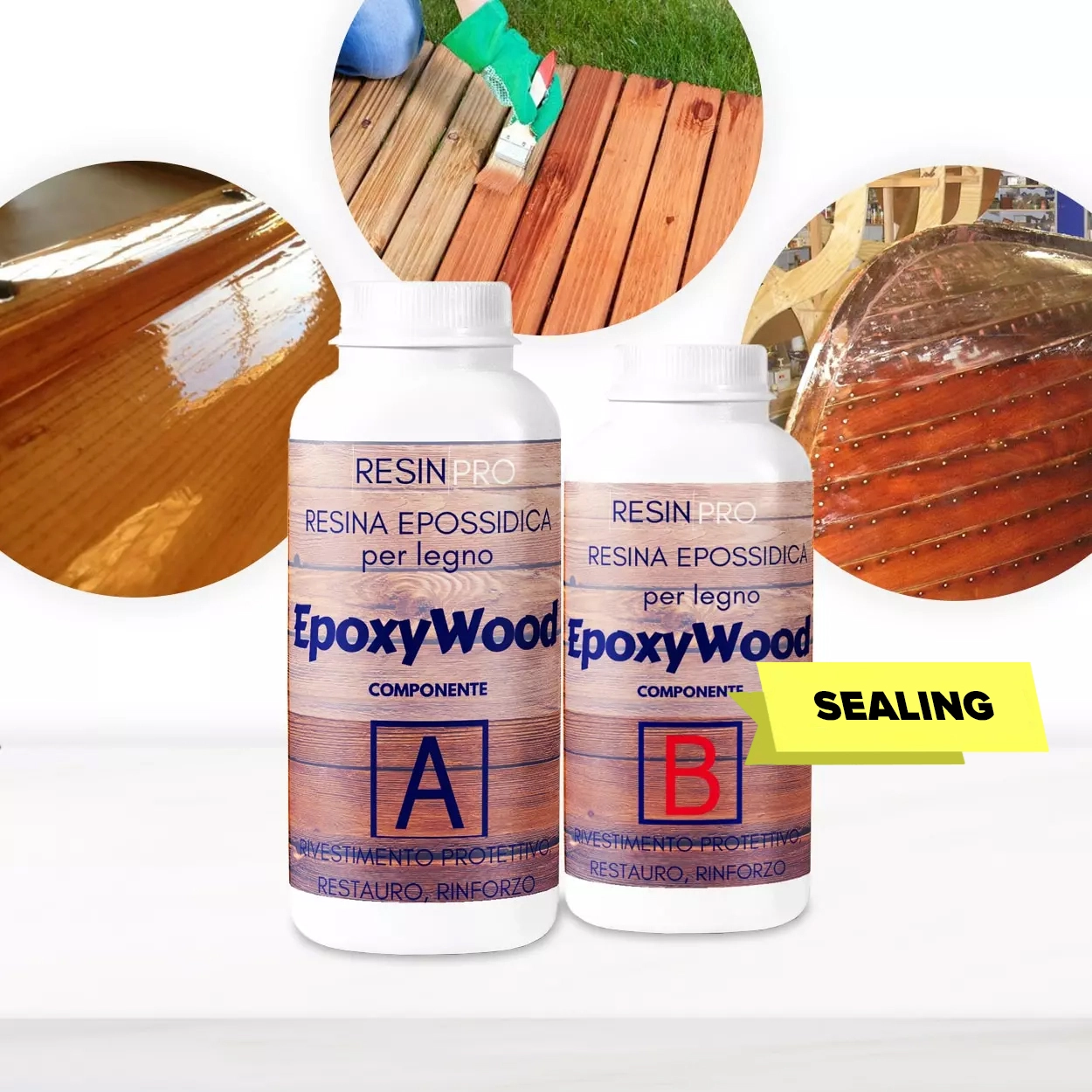
Before beginning a waterproofing project with a two-component resin, it’s essential to verify that your chosen resin is compatible with the surfaces and substrates involved. Testing compatibility ensures reliable adhesion and a long-lasting waterproof seal.
Why Testing Compatibility Matters
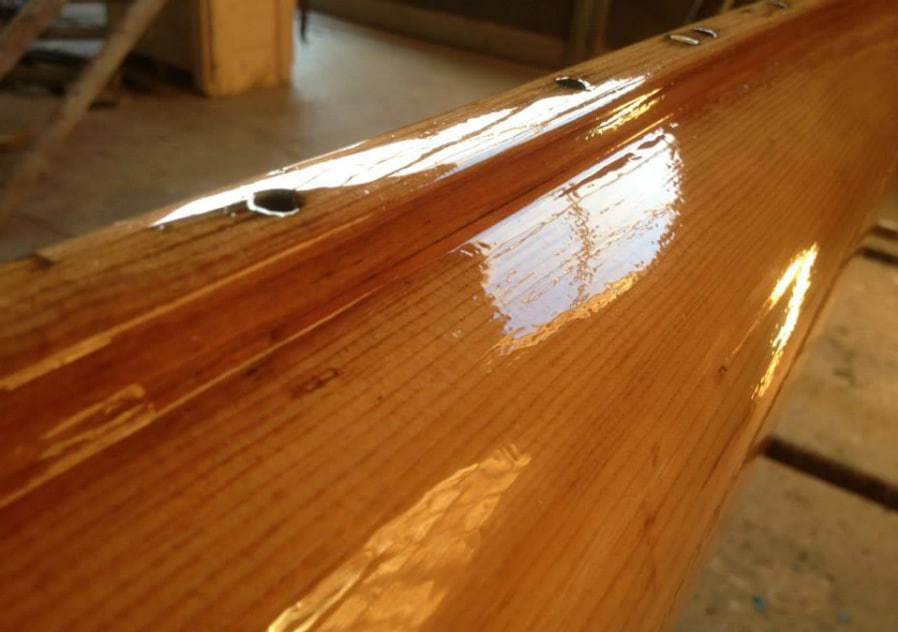
Not all materials react the same way to epoxy or polyester resins, especially when used for waterproofing. Differences in absorption, surface finish, or even existing treatments (like oils or coatings) can affect how well a resin bonds or cures. A simple compatibility test will help avoid failures, such as peeling, poor curing, or discolouration, once the full application is underway.
How to Perform a Compatibility Test
- Prepare a small test area: Clean and dry a discrete part of the substrate. Light sanding may help with absorption on wood or fibreglass.
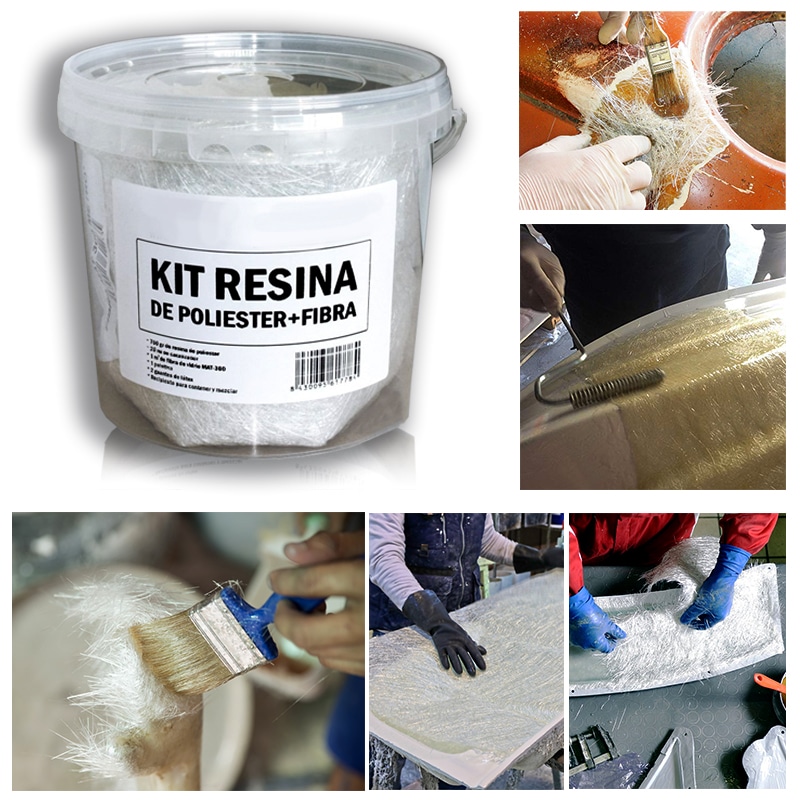
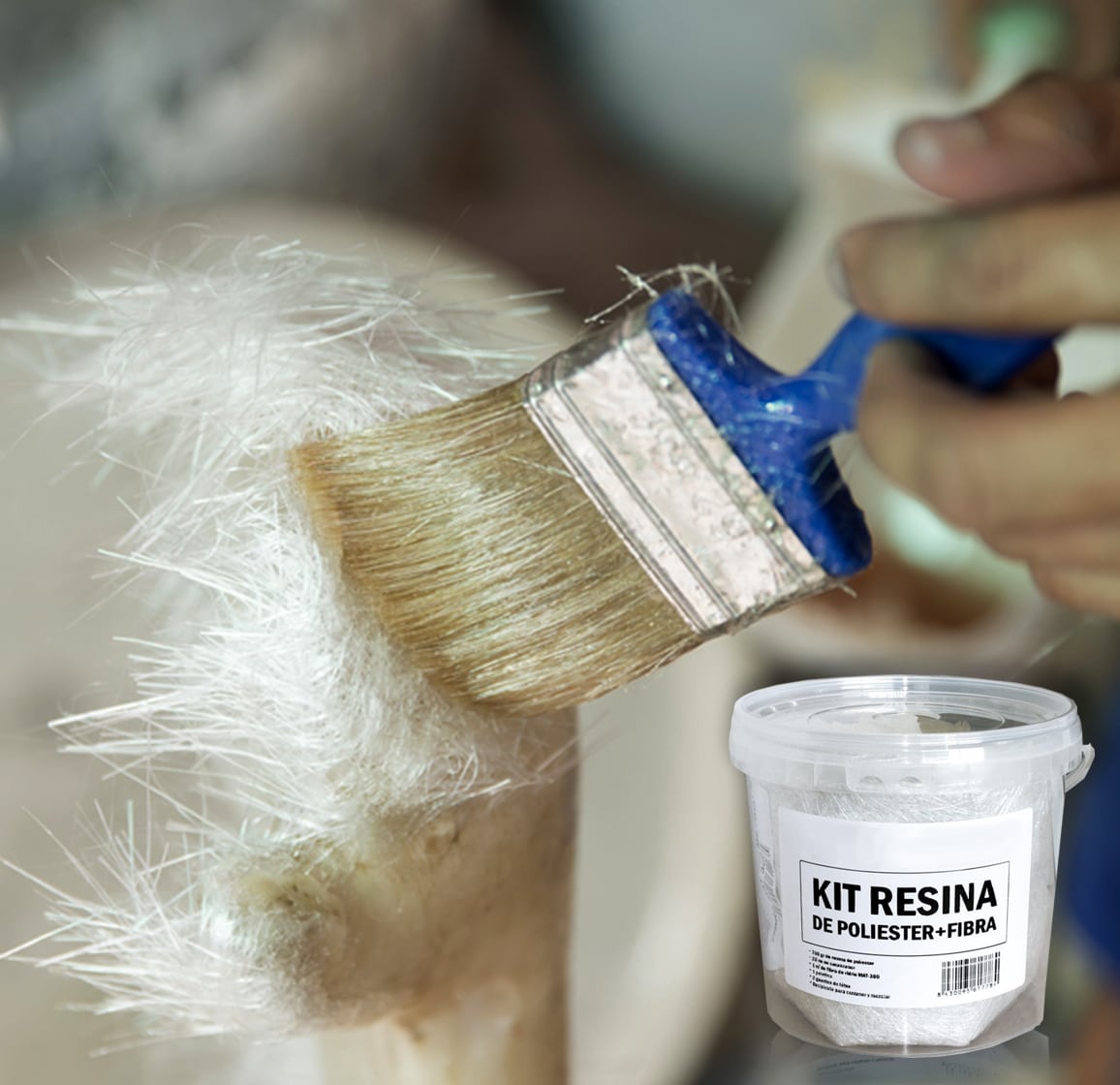
- Mix a small portion of resin: Combine the two components as per the manufacturer’s instructions for your chosen product, such as EpoxyWood or the Resin Fibreglass Repair Kit.
- Apply and observe: Use a brush or spatula to apply a thin layer to the test area. Allow it to cure according to the product guidelines without disturbing it.
- Check results: After full curing, assess for adhesion, surface hardness, clarity (if relevant), and any signs of reaction like bubbling, softness, or colour change.
Practical Guidance for Different Surfaces
Epoxy and polyester resins generally adhere well to dry wood, fibreglass, metals, and rigid plastics. For wood, ensure the grain is open and free from oils. Sanding and thorough cleaning before testing enhance bonding. If you’re working with unknown or composite materials, a compatibility test helps determine if further preparation is needed.
When This Matters Most
If your project involves valuable, aged, or pre-treated surfaces, or you’re waterproofing items subjected to regular moisture (like boats, outdoor furniture, or bathroom fittings), compatibility testing is crucial to prevent costly mistakes or future repairs.
Related products
Related guides
Taking the time to test compatibility before starting your waterproofing project increases the likelihood of success. For more information and practical tips on using two-component resin effectively, see our main guide on how to use two-component resin to waterproof.