 Free shipping on orders over £29,85
  Shipping Tracking!


 Google
 Facebook
← Back to How to make epoxy resin dry faster?
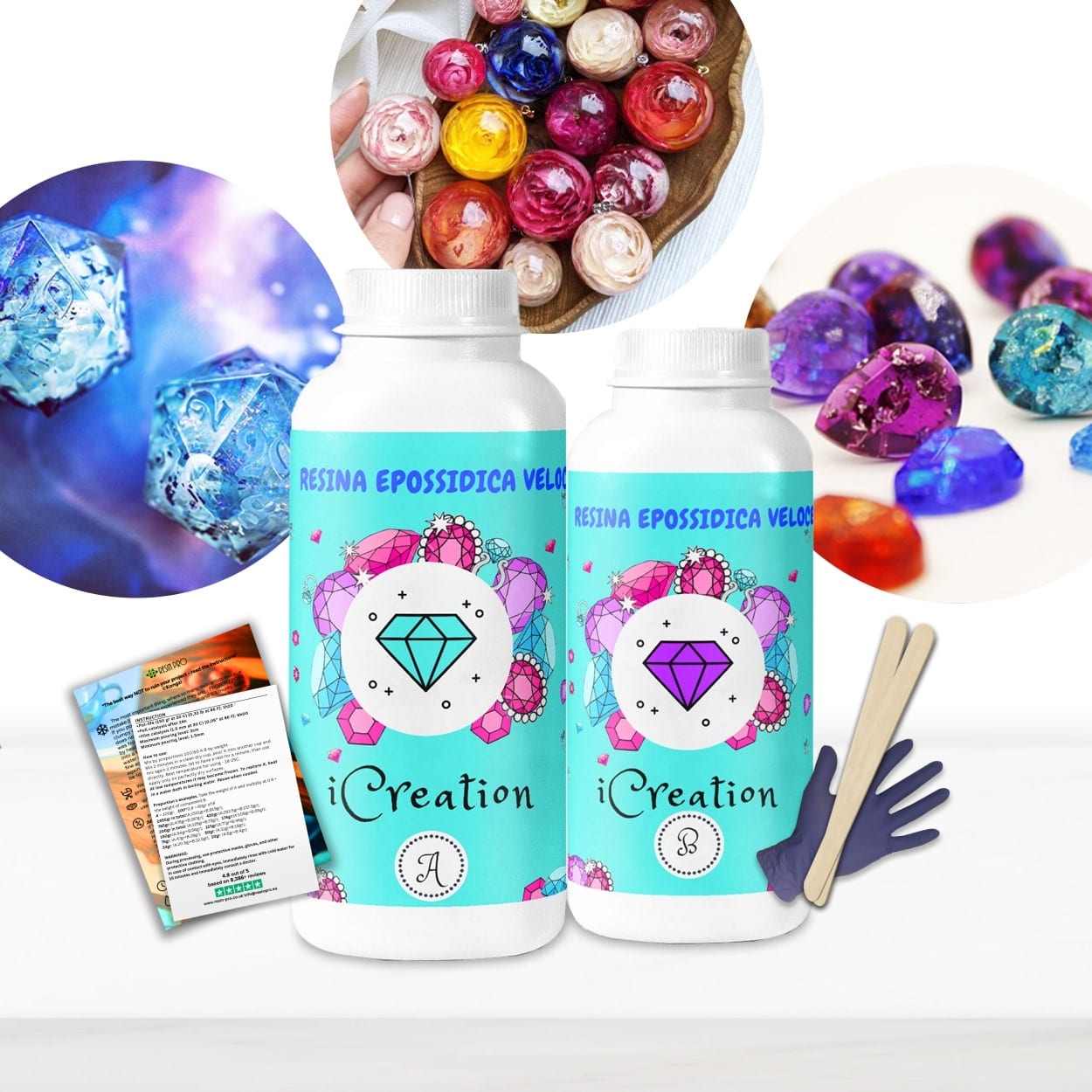
When working with epoxy resin, the thickness of each layer you pour can make a real difference to drying and curing times. Understanding this can help you achieve better and quicker results in your resin projects.
Why Thin Pours Cure Faster
Pouring epoxy resin in thinner layers helps it cure more quickly and evenly. Thinner pours allow the resin and hardener to react efficiently, reducing the risk of trapped bubbles or uneven finishes. Unlike thick, bulky pours, there’s less chance of heat building up and disrupting the curing process. This makes thin pours an excellent choice when you’re aiming for a flawless, clear result in a shorter time frame.
Risks of Pouring Epoxy Too Thick
Thick epoxy pours generate more heat during curing, which can lead to challenges such as overheating, surface rippling, or tacky spots that never fully set. Excess heat can also cause yellowing and other defects that spoil the appearance of your project. For large pieces or deep moulds, it’s often best to pour in several thin sessions rather than trying to finish in one go.
Practical Tips for Faster, Smoother Curing
- Pour multiple thin layers rather than a single thick one for bigger projects.
- Allow each layer to cure before adding the next.
- Choose a fast-curing resin such as ICreation Fast Epoxy Resin if you need to speed up your workflow.
- Always follow the manufacturer’s mixing ratios and instructions for optimal results.
When Pour Depth Matters Most
Layer thickness is particularly important for projects like jewellery, coasters, or small art pieces. In these cases, thin pours give you control, help you avoid heat issues, and achieve a pristine finish without long wait times between steps.
Related products
Related guides
By understanding how thin and thick pours affect drying times, you can tackle your resin projects with greater confidence. For more tips and guidance on achieving a flawless finish, visit our complete guide to faster epoxy resin curing.