 Free shipping on orders over £29,85
  Shipping Tracking!


 Google
 Facebook
← Back to How do you make putty without silicone?
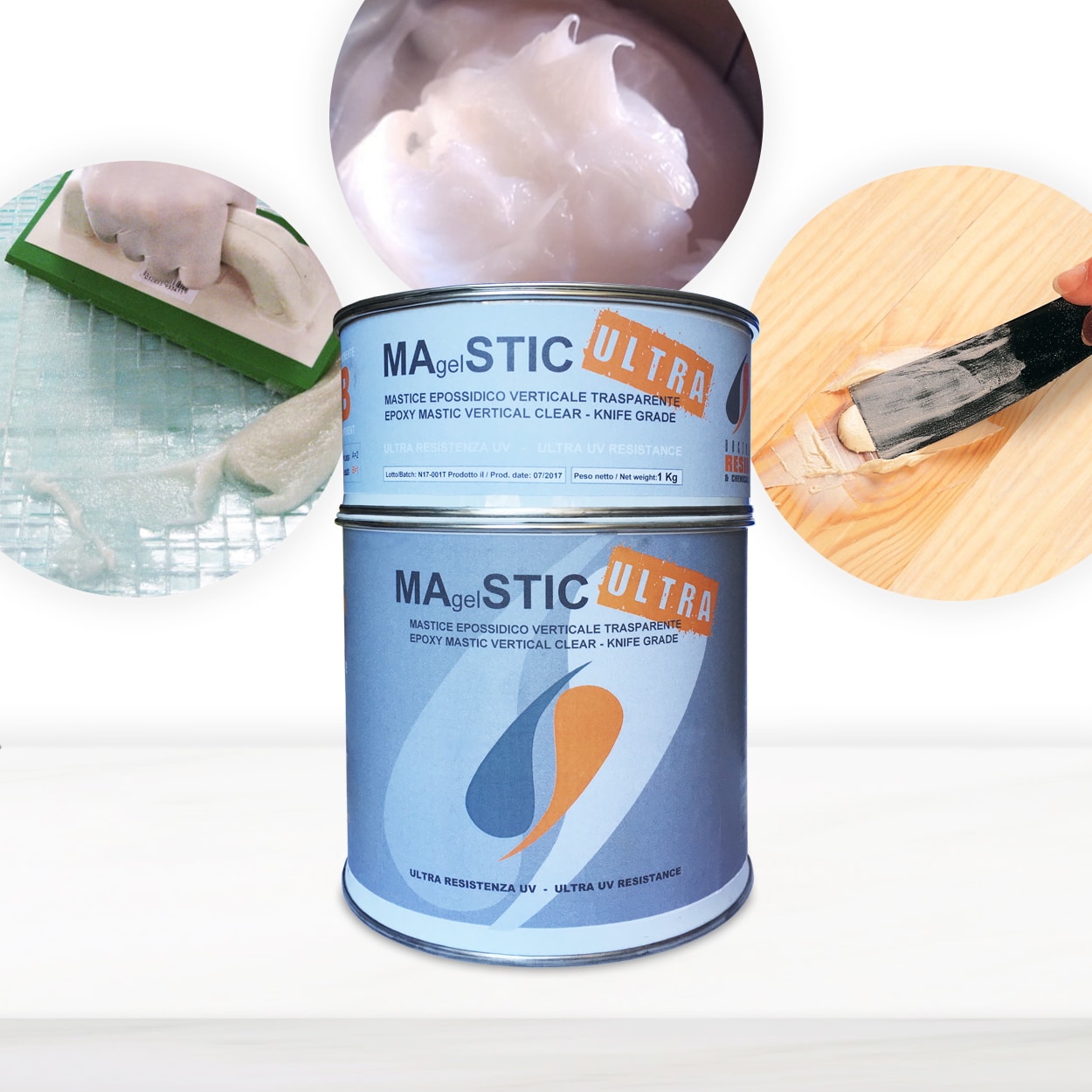
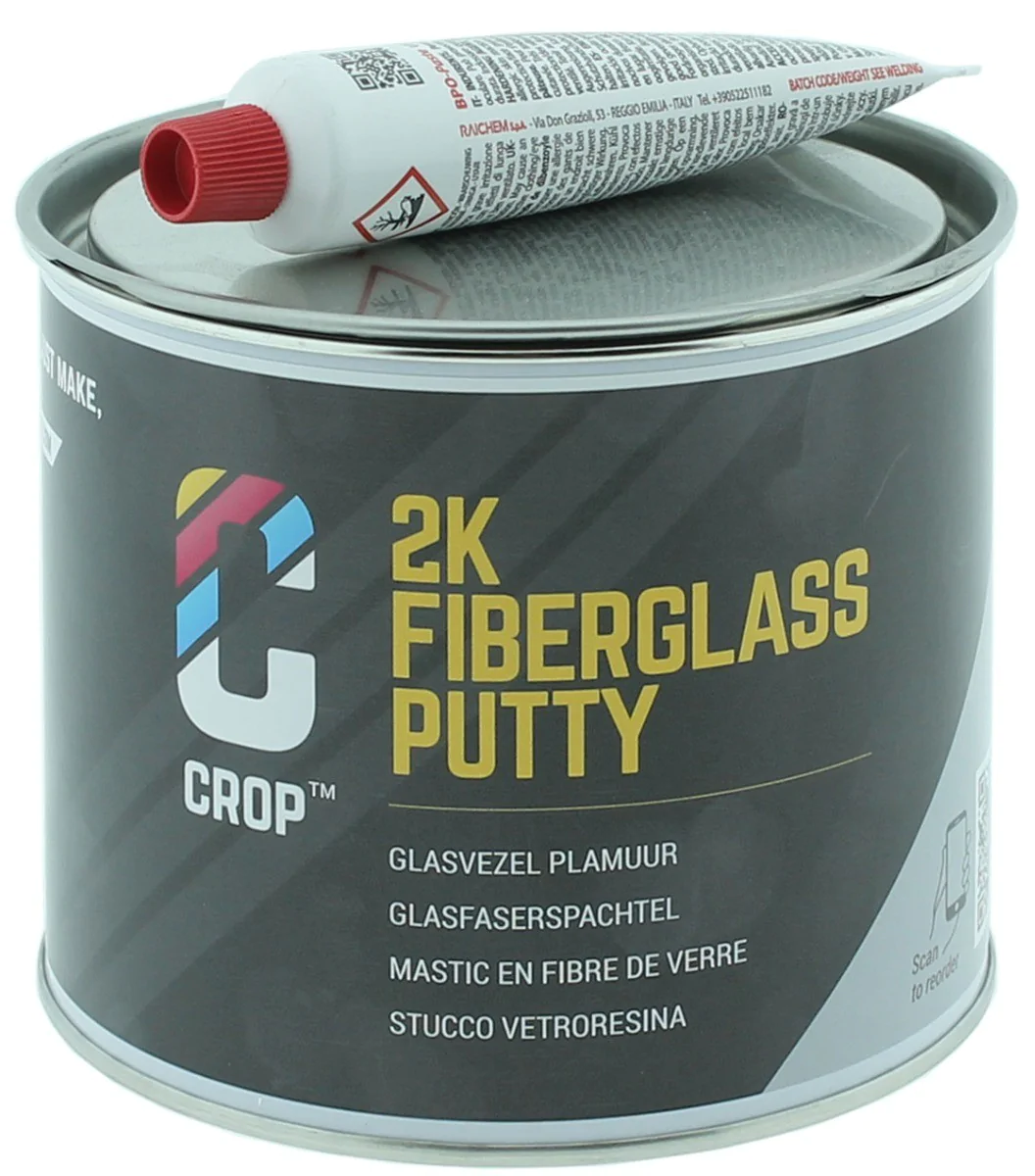
When making putty without silicone, manufacturers often rely on thixotropic formulas to ensure the material stays in place. But what does thixotropic mean, and why is it a key feature in alternative putties?
What Does Thixotropic Mean?
A thixotropic formula refers to a substance that becomes less viscous (more fluid) when stirred or worked, yet quickly regains its thickness at rest. This crucial property stops putties and mastics from running or sagging on vertical or overhead surfaces, allowing precise application and even finishes where you need them most.
Benefits of Thixotropic Putty Without Silicone
- No Drips or Sagging: Perfect for filling cracks and bonding on vertical surfaces or ceilings.
- Easy to Work: Apply smoothly with a spatula, then rely on the material to hold its shape for curing.
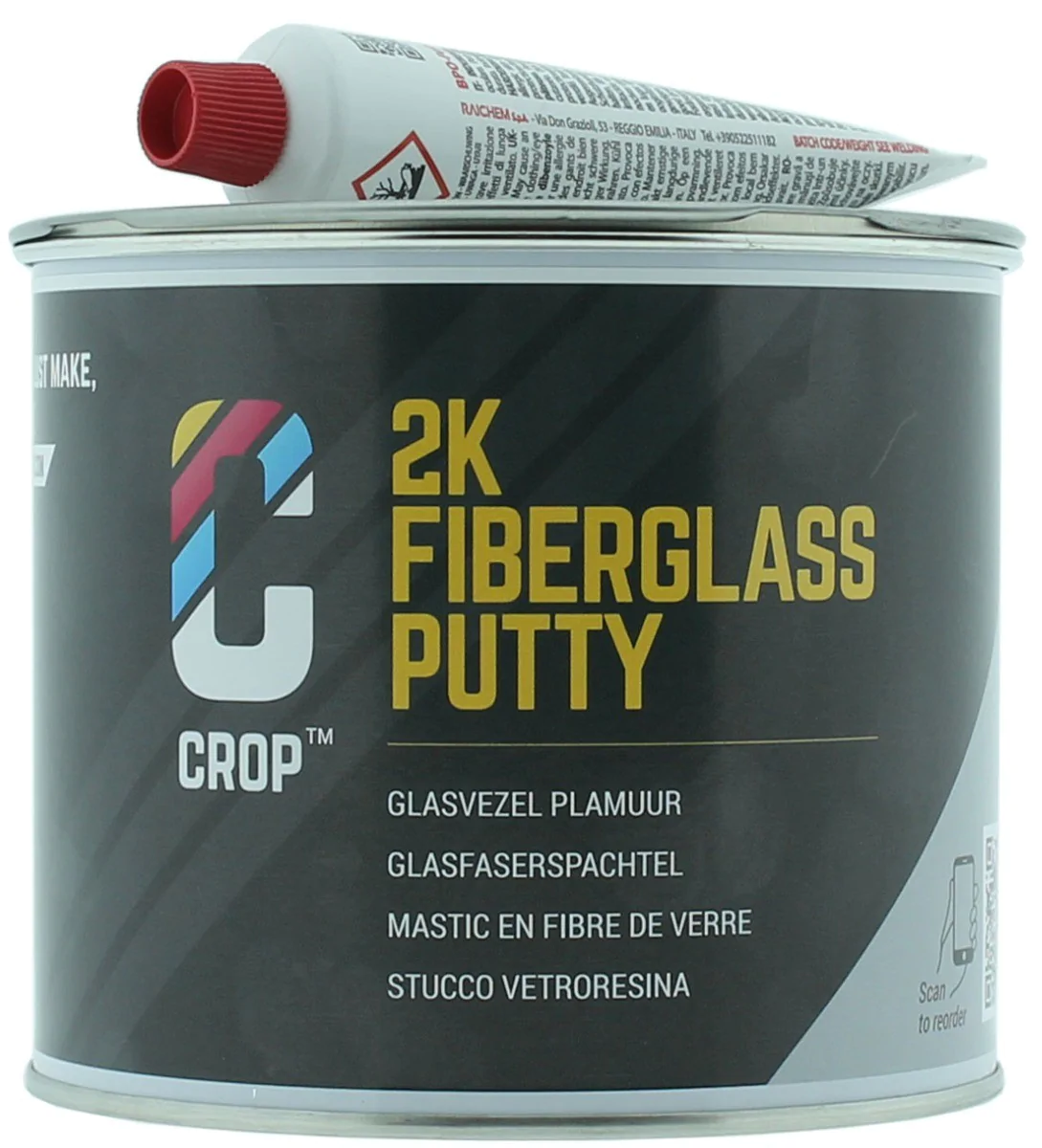
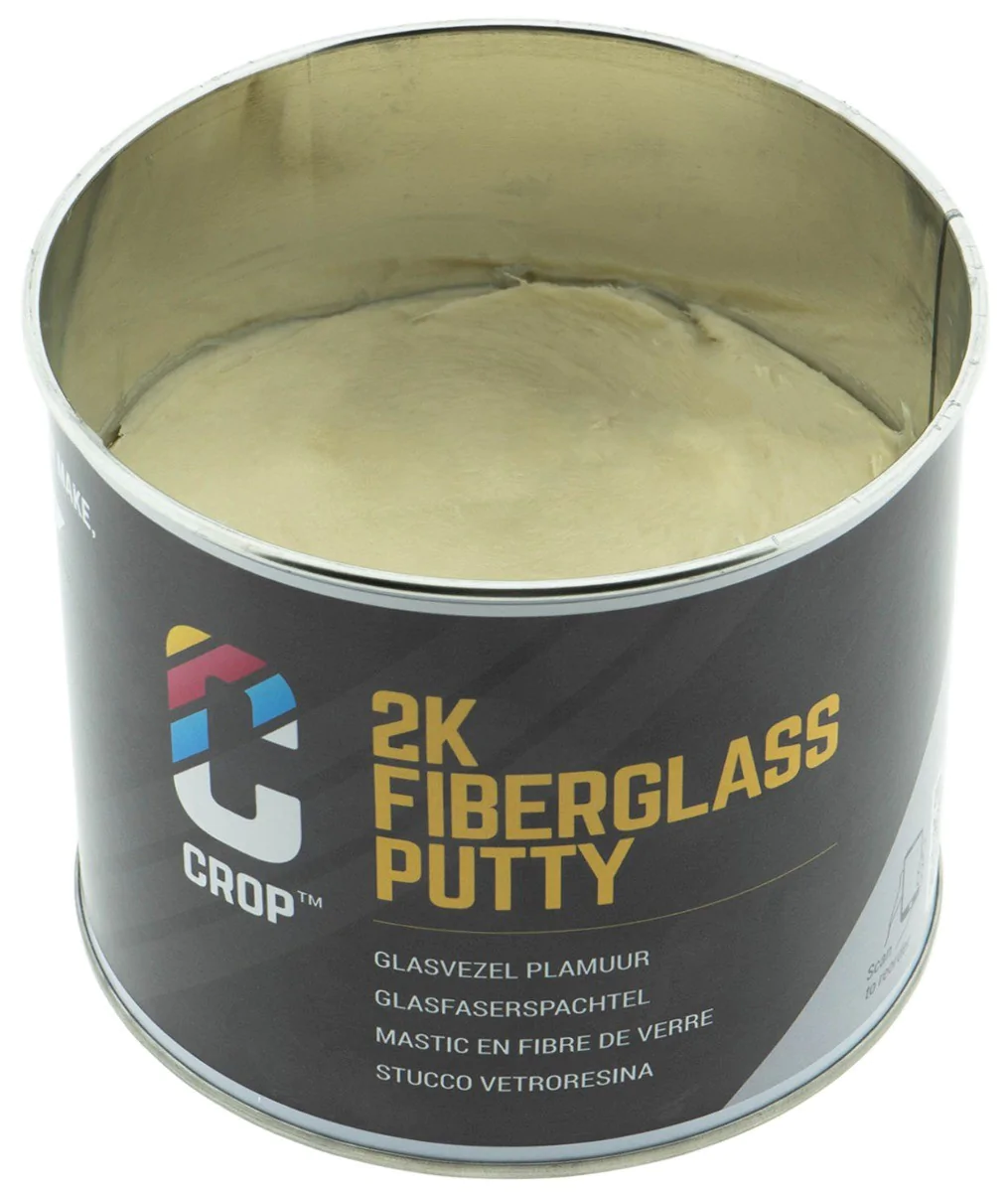
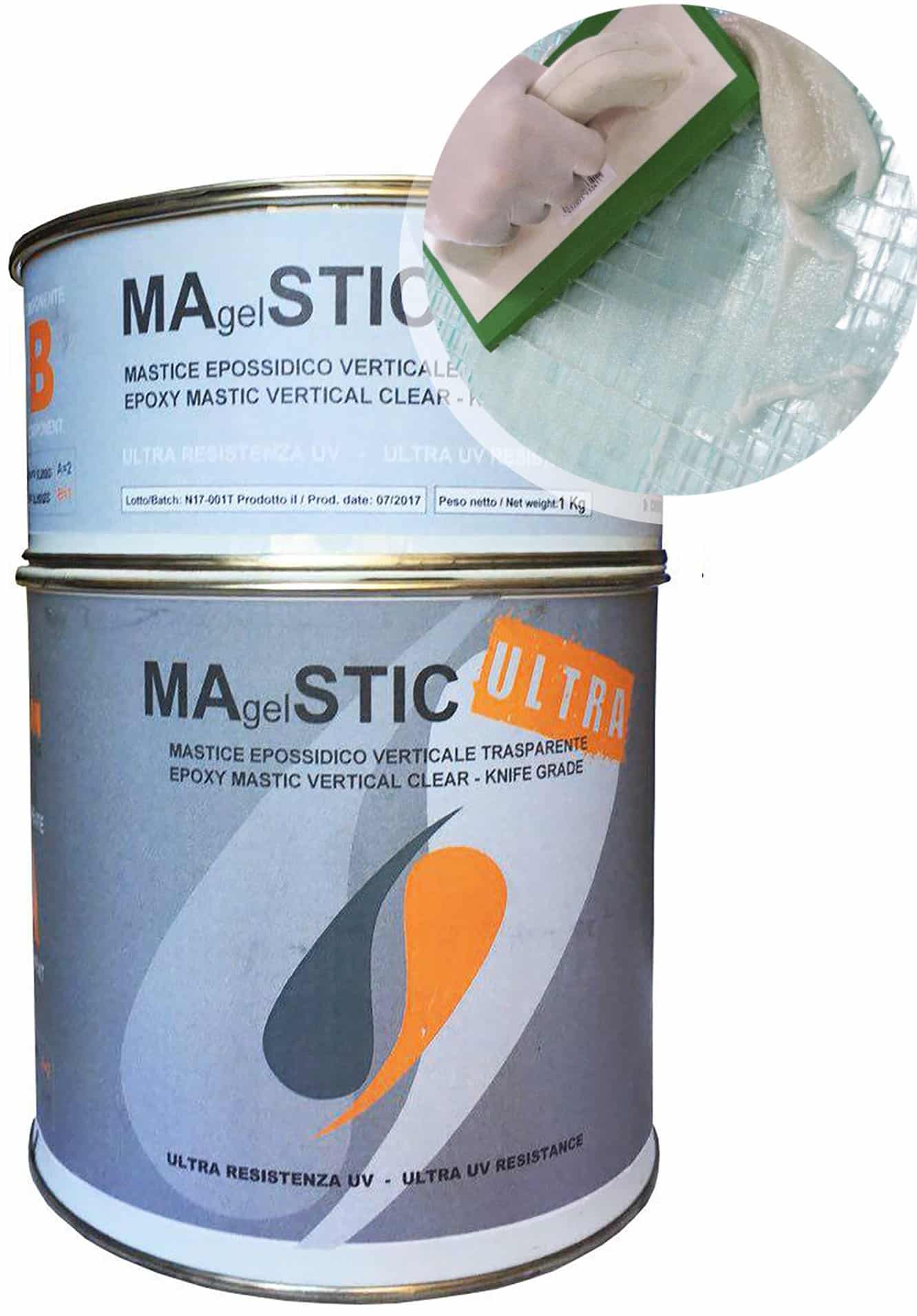
- Silicone-Free Versatility: Options such as Magelstick Epoxy Mastic and fibreglass-reinforced polyester putties take advantage of thixotropic behaviour without using silicone, offering robust adhesion and reliable performance on materials like stone, metal, cement, and even previously coated surfaces.
When This Matters Most
If you’re repairing walls, ceilings, or masonry or tackling any vertical job where material slippage is a concern, choosing a thixotropic putty—especially one designed without silicone—is especially beneficial. It saves on mess, reduces rework, and ensures a professional finish.
Related products
Related guides
Opting for a putty or mastic with a thixotropic formula ensures reliable, mess-free applications—an essential consideration when making or selecting putty alternatives without silicone. Explore more on making putty without silicone at our main guide.