 Free shipping on orders over £29,85
  Shipping Tracking!


 Google
 Facebook
← Back to What to Do If the Resin Cracks?

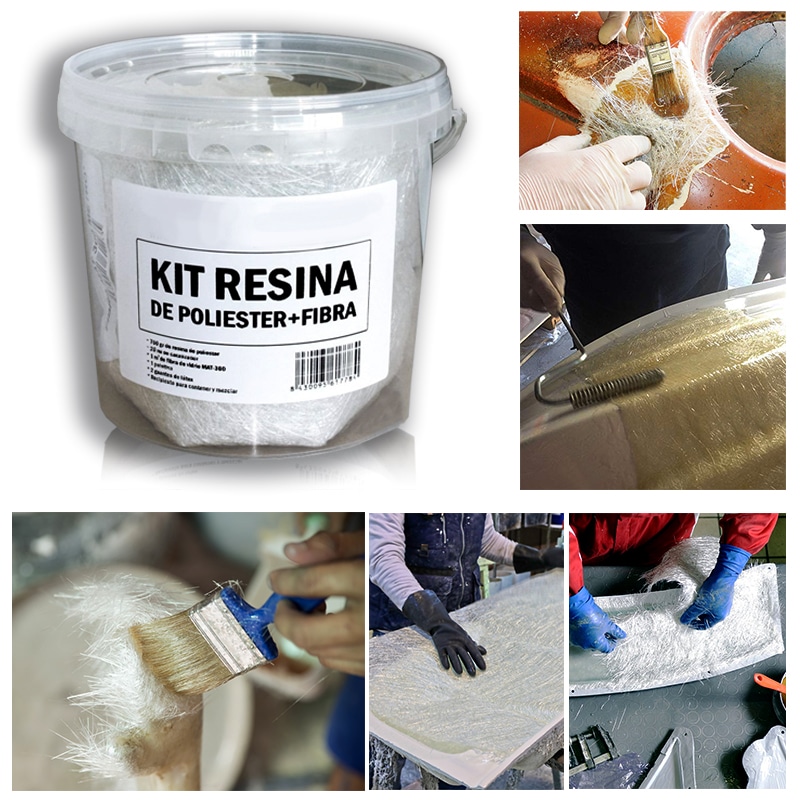
After repairing a cracked resin surface, it’s important to adopt the right practices to help prevent new cracks from developing. Addressing the underlying causes now will ensure your repair work lasts longer and remains resilient.
Choose Compatible Materials and Products
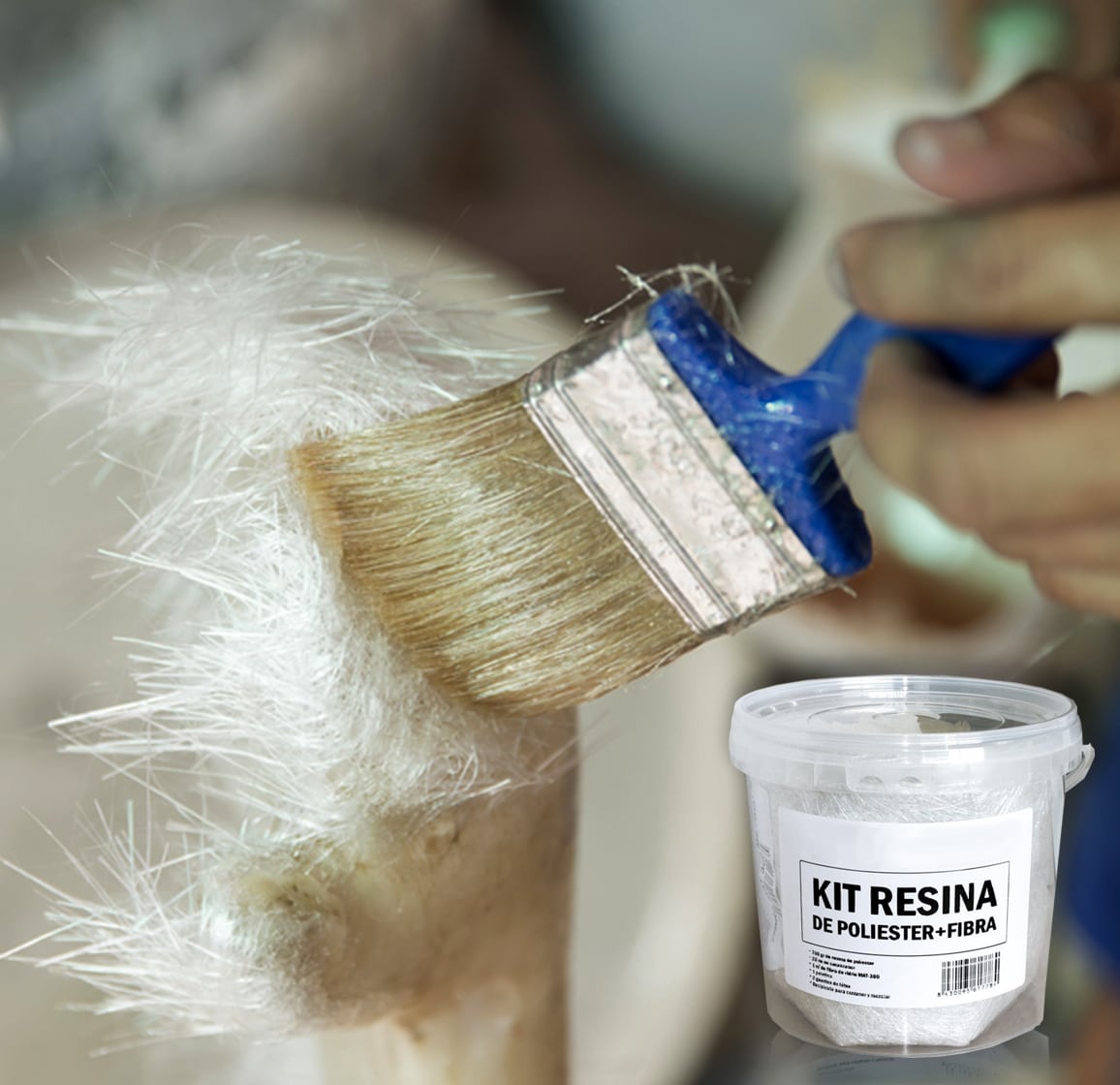
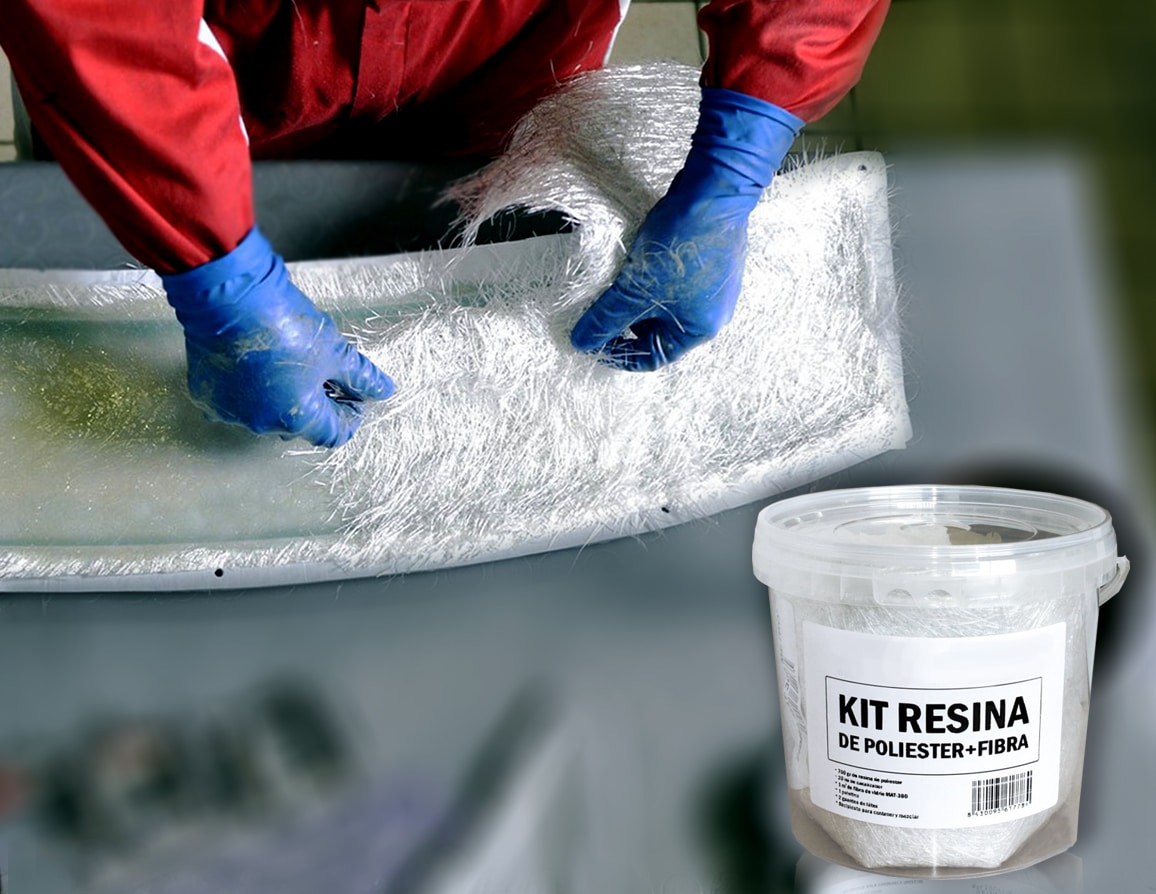
Always use patching materials that are specifically formulated for your type of resin and the surfaces involved. Products such as the Resin Fibreglass Repair Kit are designed for high adhesion and durability on fibreglass, metal, wood, and other rigid substrates. Selecting the correct product prevents incompatibility, which can otherwise lead to new stress points and future cracks.
Mix and Cure Resin with Care
Improper mixing or curing is a common reason for repeated resin failures. Follow the manufacturer’s ratios and instructions precisely, ensuring both resin and hardener are thoroughly combined. Allow the mixture sufficient time to cure at a stable, moderate temperature—rushing this step or working in fluctuating temperatures can create internal stresses or weaken bonds that later develop into cracks.
Reduce Mechanical and Thermal Stress
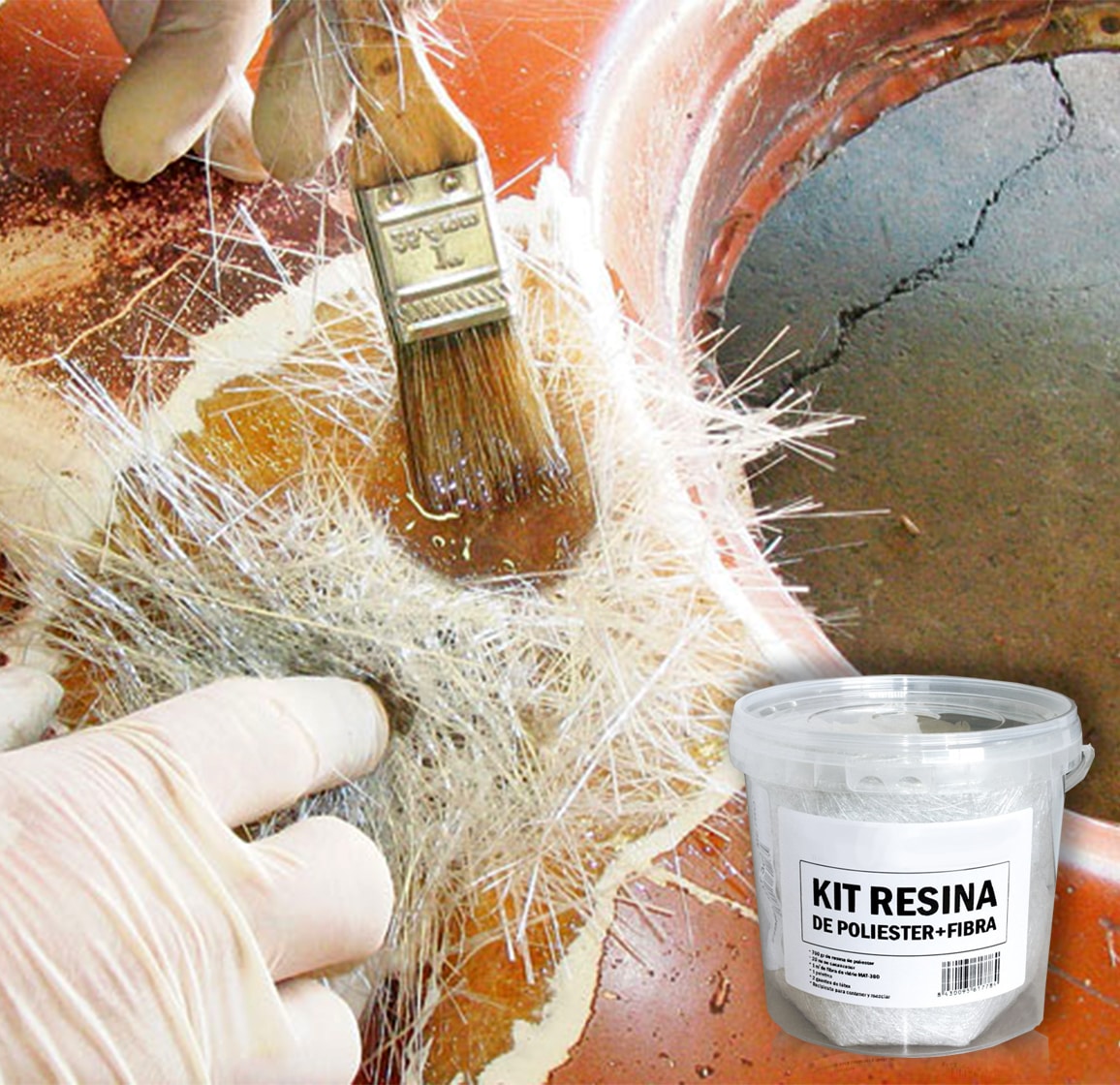
Once repaired, be mindful not to over-stress the area. Excess flexing, impact, or sudden changes in temperature can compromise even a strong repair. Position the finished item away from sources of vibration, heat, or repeated pressure whenever possible. If you anticipate regular stress, consider strengthening the repair with additional reinforcement, such as fibreglass matting or a durable putty like CROP 2K Fiberglass Putty.
When This Matters
Prevention is critical for projects that face frequent use or exposure to water and temperature variations—such as boat hulls, swimming pool edges, or large resin furniture. Taking these steps not only extends repair life but also saves time and cost on future fixes.
Related products
Related guides
By focusing on material choice, careful preparation, and reducing stress after repair, you can greatly decrease the risk of further resin cracking. For more solutions and repair guidance, visit our main advice page on what to do if the resin cracks.