 Free shipping on orders over £29,85
  Shipping Tracking!


 Google
 Facebook
← Back to How to protect epoxy resin from wear?
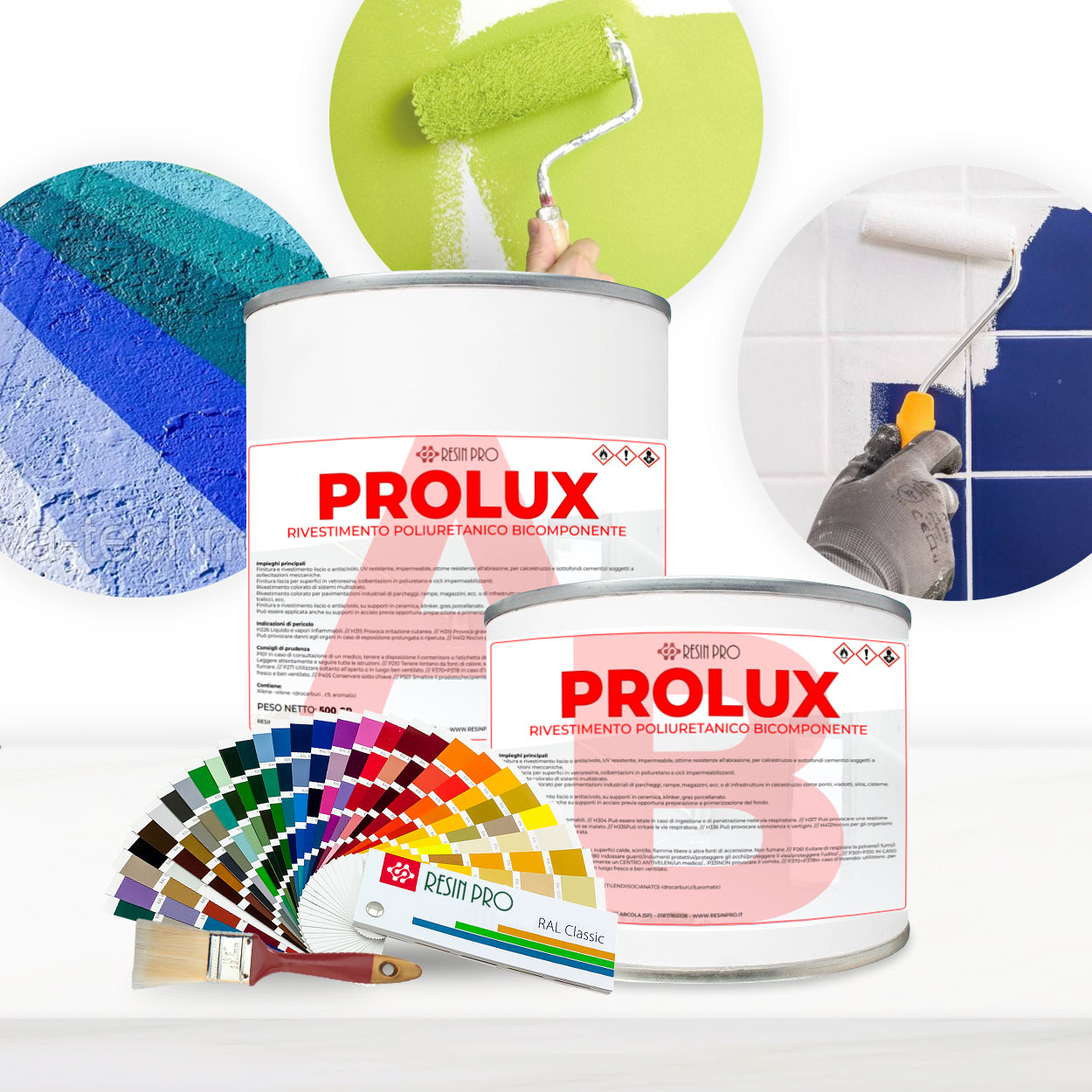
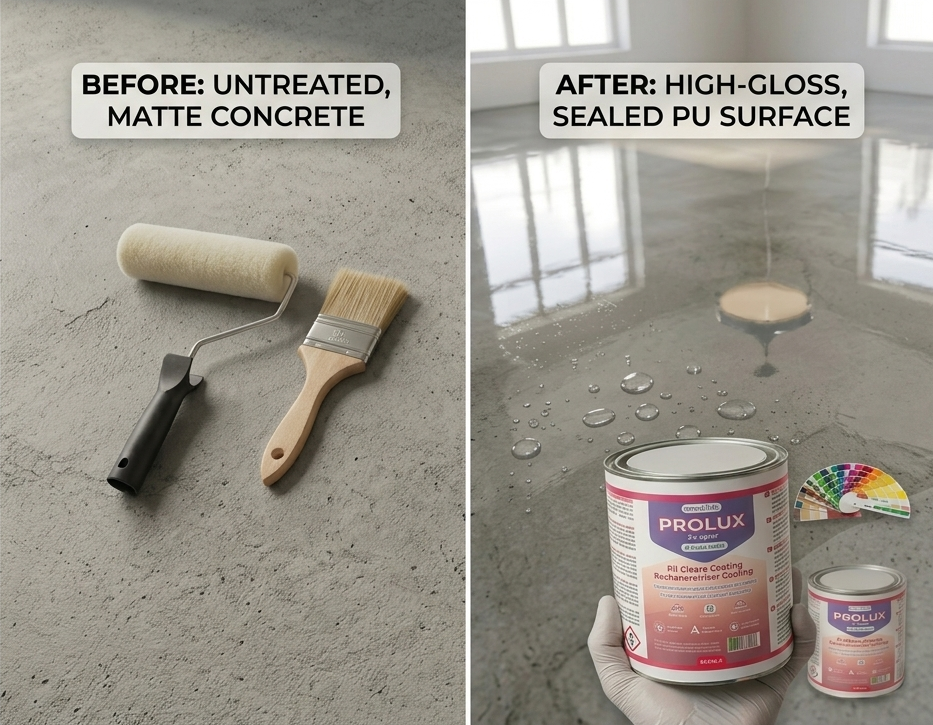
Protecting epoxy resin surfaces from daily wear can greatly extend their life and appearance. Topcoating and polishing are two popular methods, but they serve different purposes. Knowing which approach to use ensures your projects stay both durable and attractive.
Topcoating: The Ultimate Protective Barrier
Applying a topcoat such as a polyurethane finish forms a new, robust layer over the epoxy. This method is ideal for surfaces subject to heavy foot traffic, mechanical stress, or outdoor exposure. A quality topcoat, like Prolux PU coating, is designed to resist abrasion, UV rays, and weathering. It works well for floors, worktops, and driveable surfaces, offering lasting protection and making cleaning straightforward.
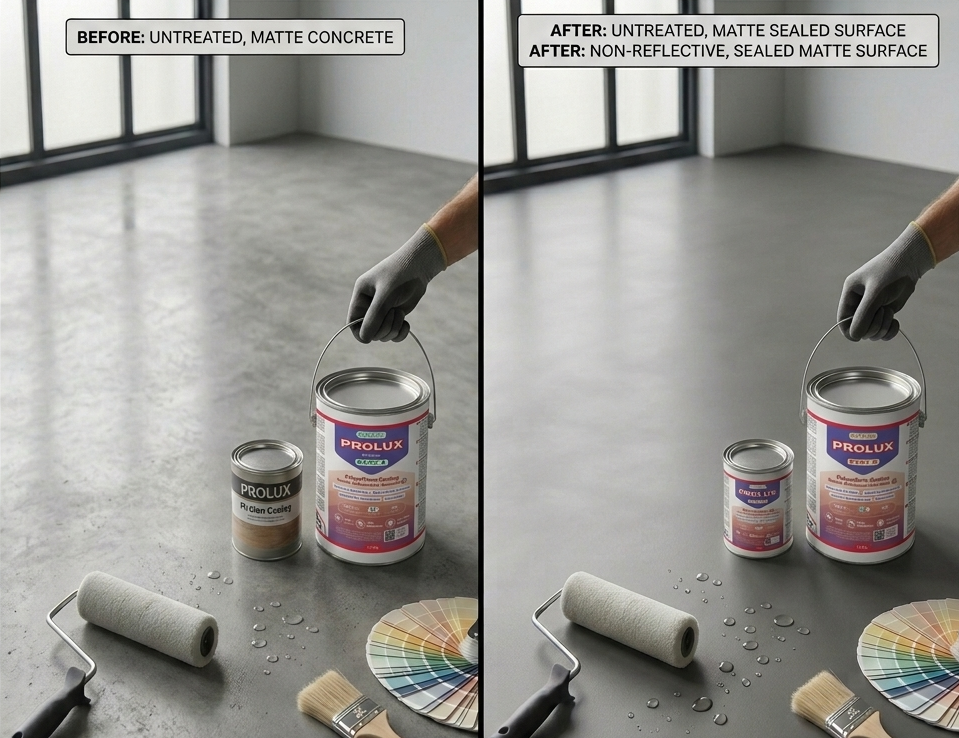

Polishing: Restoring Shine and Managing Light Scratches
Polishing is best when your epoxy resin has lost its gloss or developed fine scratches. Using a system like Epoxy Polish can restore a brilliant finish without adding extra thickness. Polishing is a cosmetic process, ideal for already finished pieces such as artwork, tables, and decorative items. It won’t provide additional physical protection, but it keeps surfaces looking new by reducing haziness and minor blemishes.
When Does Each Method Matter?
- Choose topcoating when you need increased resistance against everyday impact, chemical spills, or abrasive cleaning.
- Opt for polishing when your main concern is the loss of shine or faint surface marks, and heavy-duty protection isn’t required.

Related products
Related guides
Understanding whether to topcoat or polish will ensure your epoxy resin projects stay looking their best and last longer. To dive deeper into comprehensive protection strategies, explore our main guide on protecting epoxy resin from wear.