 Free shipping on orders over £29,85
  Shipping Tracking!


 Google
 Facebook
← Back to Why does epoxy resin break?
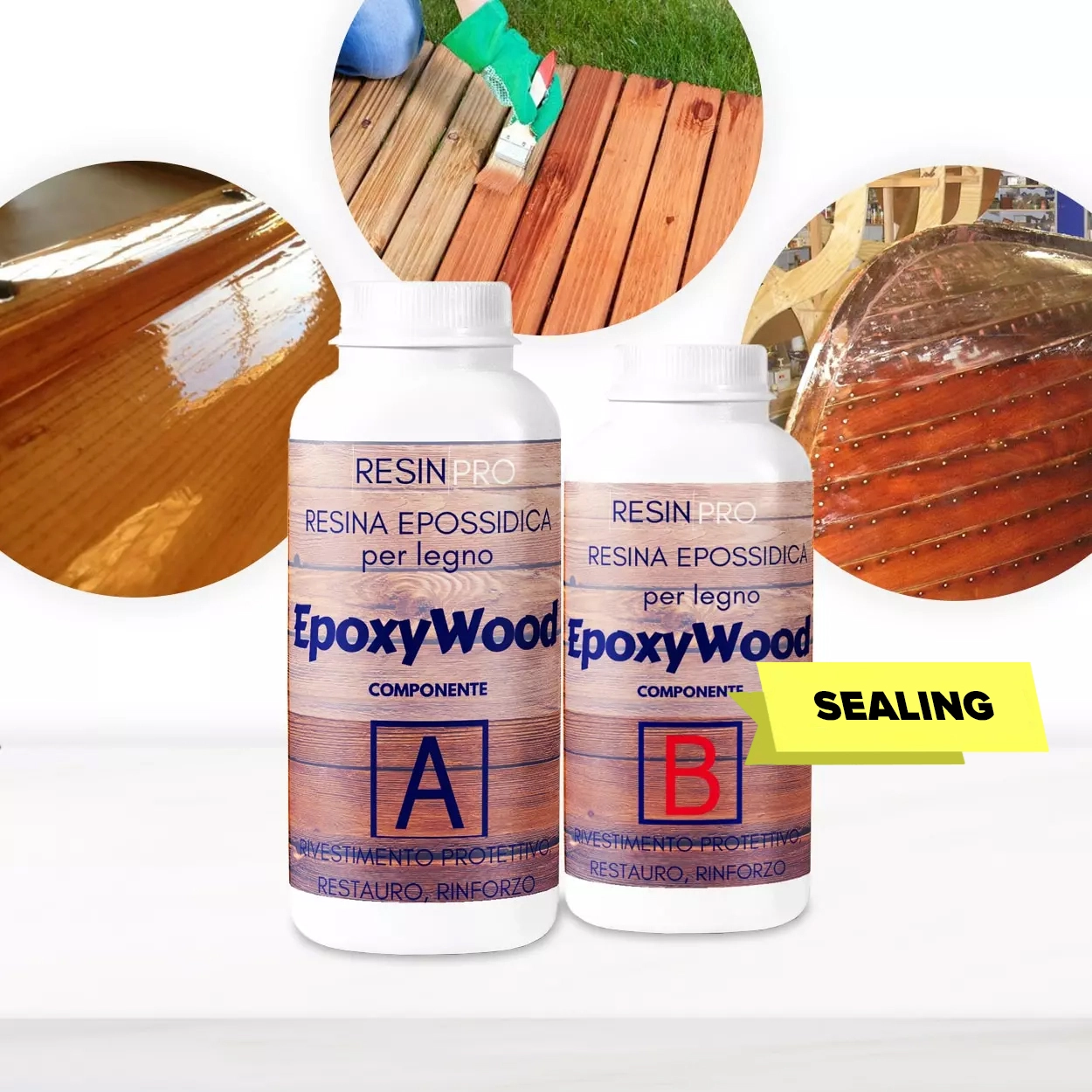

Using epoxy resin is a proven way to turn ordinary wood into a durable, waterproof surface—ideal for projects exposed to moisture, including those used in marine settings.
How Epoxy Waterproofs Wood
Epoxy resin works by penetrating deeply into wood fibres, filling pores and binding the structure together. This forms a sealed barrier that keeps water out and reinforces the wood from within, significantly reducing the risk of rot, warping, and splitting commonly associated with water exposure. Some products, like EpoxyWood, are formulated with ultra-low viscosity for extra deep penetration, creating a strong, waterproof layer even in porous or aged timber.


Preparation and Application Tips
For best results, always ensure the wood is clean, dry, and sanded before applying epoxy. Thoroughly dried timber allows the resin to bond optimally, preventing future delamination. Apply the epoxy evenly and allow it time to cure fully—this can take up to 24 hours at room temperature. Consider multiple coats for added protection if the wood will be heavily exposed to water, as on boat hulls or exterior furniture.
- Use solvent-free, deep-penetrating epoxies for restoration and protection.
- For aesthetic benefit, some resins impart a warm, straw-yellow tint that highlights natural wood grain.
- Always respect manufacturer guidelines for mixing and curing times.
When This Matters
Creating a waterproof wood surface with epoxy is particularly important for marine crafts, outdoor structures, or anywhere persistent dampness threatens timber longevity. Choosing the right epoxy helps protect investments in wooden boats, decking, and garden furniture for years to come.

Related products
Related guides
Choosing the right marine-grade epoxy is key to preventing moisture-related damage and breakage, ensuring your wood projects stay protected. For more insights on maintaining resin integrity, see our main guide on why epoxy resin breaks.