 Free shipping on orders over £29,85
  Shipping Tracking!


 Google
 Facebook
← Back to What are resins used for?
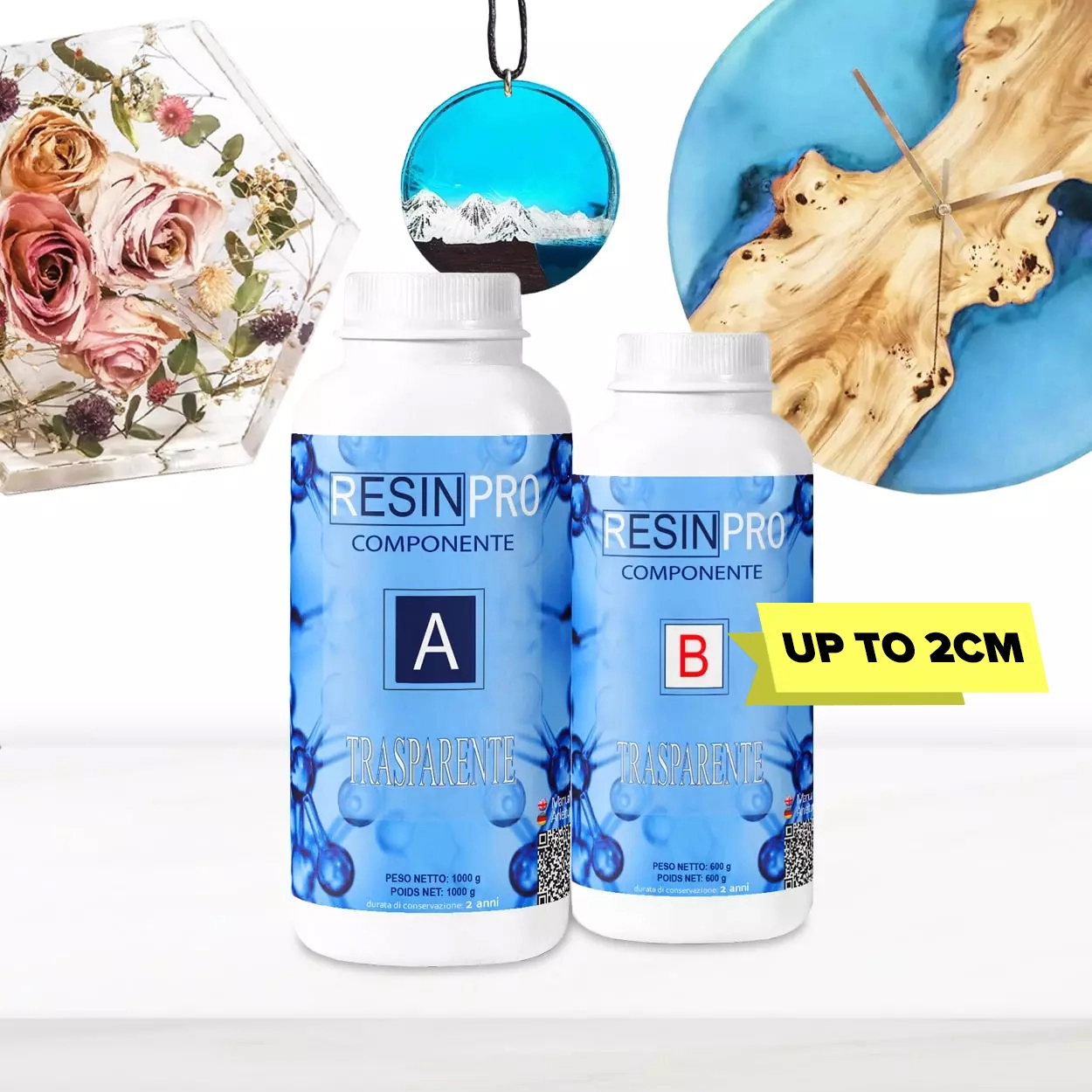
Whether crafting jewellery, restoring wood, or making unique décor, deciding between a transparent or coloured epoxy resin shapes the look and style of your result. Understanding how transparency and colour work in resin unlocks creative possibilities for every project.
When to Use Transparent Resin
Transparent epoxy resin is valued for its crystal-clear finish, ideal for showcasing embedded items or intricate wood grains. It’s commonly used in memorial jewellery, tabletops, and detailed castings. Opt for a high-clarity product like “Trasparente” Multipurpose Clear Epoxy Resin for pours up to 2cm—its glossy, self-levelling qualities let materials underneath shine through and catch the eye.
Adding Colour: Effects and Techniques
Coloured resin transforms basic projects into standout pieces by introducing vibrancy and highlights. You can add pigments, mica powders, or dyes to clear resin for swirls, tints, or fully opaque looks. Resin kits that include pigment powders—such as the “Trasparente” Epoxy Resin Kit with Sahara Mica Powder—are convenient for experimenting with colour variations. Always mix thoroughly for even distribution, and test colouring in a small batch if precision matters.
Practical Considerations for Selection
- Project Depth: Use a resin suited to your intended layer thickness (for example, “Trasparente” for up to 2cm or “Icrystal” for up to 1.5cm per pour).
- Desired Finish: Choose clear resin for a glassy, modern look, or add colourants for an artistic or dramatic effect.
- Surface Type: Transparent resins highlight wood, objects, and inclusions, while coloured resins can add bold style or hide imperfections.
When This Matters
Transparency or colour is crucial when the visibility of embedded elements, clarity, or specific decorative effects are priorities—such as in keepsake jewellery, river tables, or feature art pieces.
Related products
Related guides
Ultimately, your choice between transparency and colour should align with your project’s purpose and style. For more on resin types and their uses, visit our main guide: What are resins used for?