 Free shipping on orders over £29,85
  Shipping Tracking!


 Google
 Facebook
← Back to How do you work with E30 resin?

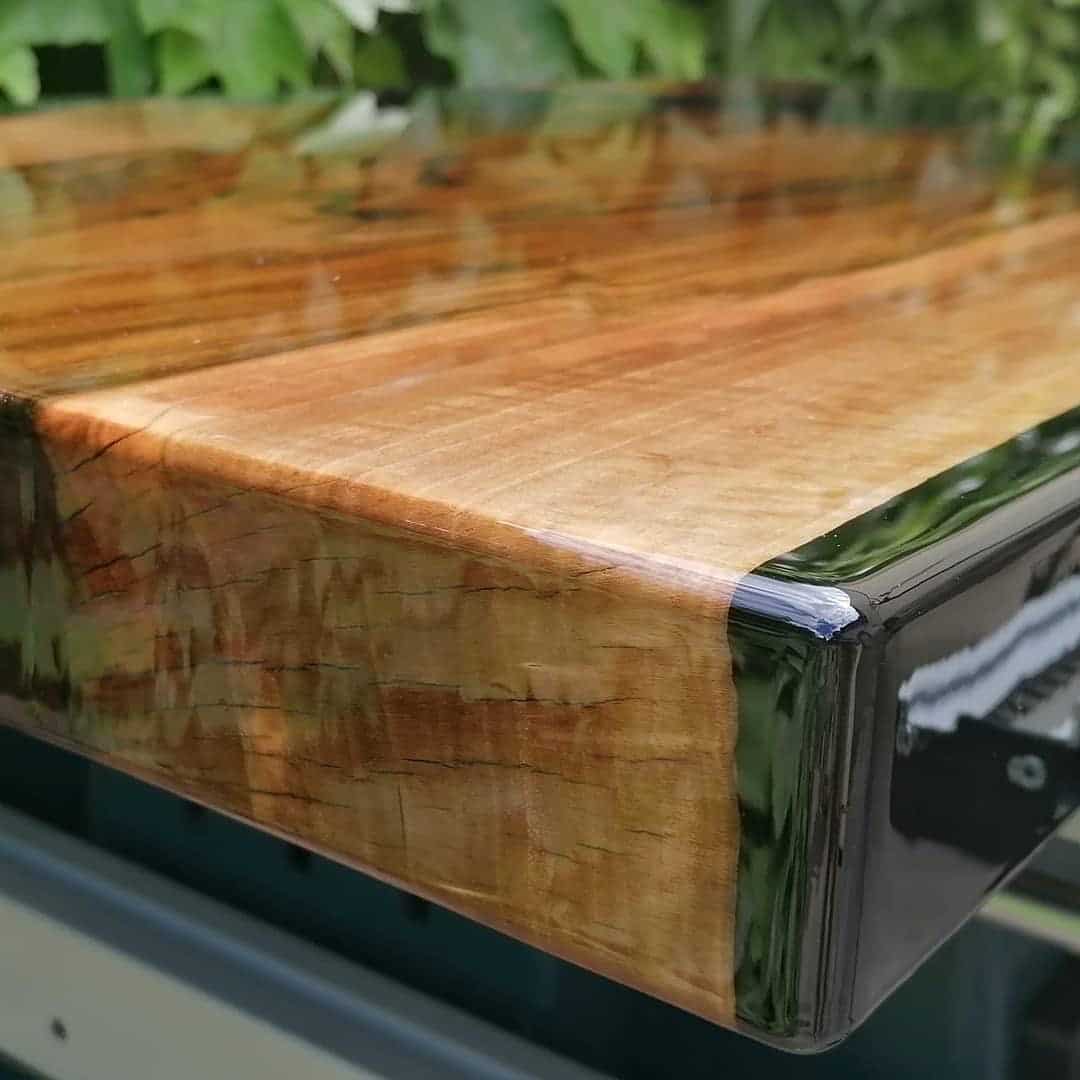
Creating a clear, glass-like finish with epoxy resin is rewarding, but bubbles from trapped air can spoil the result. It’s important to understand why bubbles occur and how to prevent them when working with E30 resin or other casting products.
Why Bubbles Form in Epoxy Resin
Bubbles often appear when air becomes trapped during mixing or pouring. Vigorous stirring, incorrect ratios, or pouring too quickly can introduce extra air, which may get locked in as the resin cures. Materials with porous surfaces—like wood—can also release air into the resin. Using a resin designed for deeper pours, such as Epoxytable 10-Ten, helps reduce bubble formation thanks to its super low viscosity.


Practical Tips for Minimising Bubbles
- Mix Gently: Stir components slowly and consistently to avoid whipping in excess air.
- Consider Temperature: Work in a warm, dust-free space; cold resin is more viscous and traps bubbles easily.
- Seal Porous Materials: Apply a thin sealing layer on wood or concrete before the main pour to limit air release.
- Use Multiple Layers for Large Projects: For deep pours, cast in several layers as advised for the product type.
- Post-Pour Bubble Removal: After pouring, use a heat gun or torch lightly over the surface to help release surface bubbles.
When This Matters Most
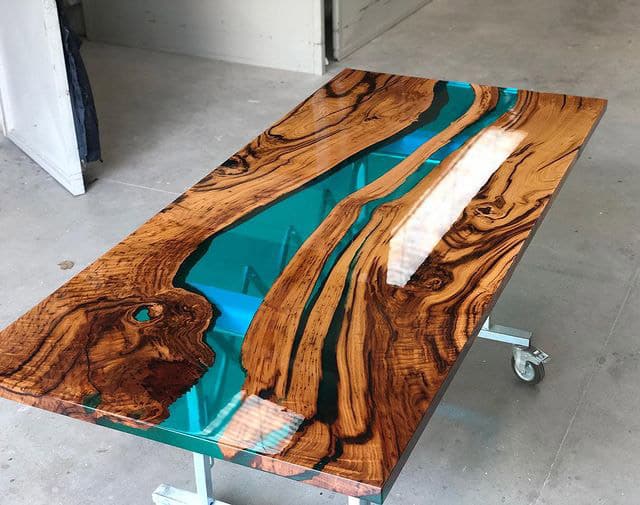
Bubble prevention is especially important for furniture, jewellery, and decorative pieces where clarity is essential. Larger, thicker castings require extra care, making product choice and pour technique crucial for a smooth finish.
Related products
Related guides
Understanding how to manage trapped air and prevent bubbles is key to beautifully finished projects. For further guidance on working with E30 resin and choosing the right products, see more on our main guide to working with E30 resin.