 Free shipping on orders over £29,85
  Shipping Tracking!


 Google
 Facebook
← Back to How to use PU31 resin?
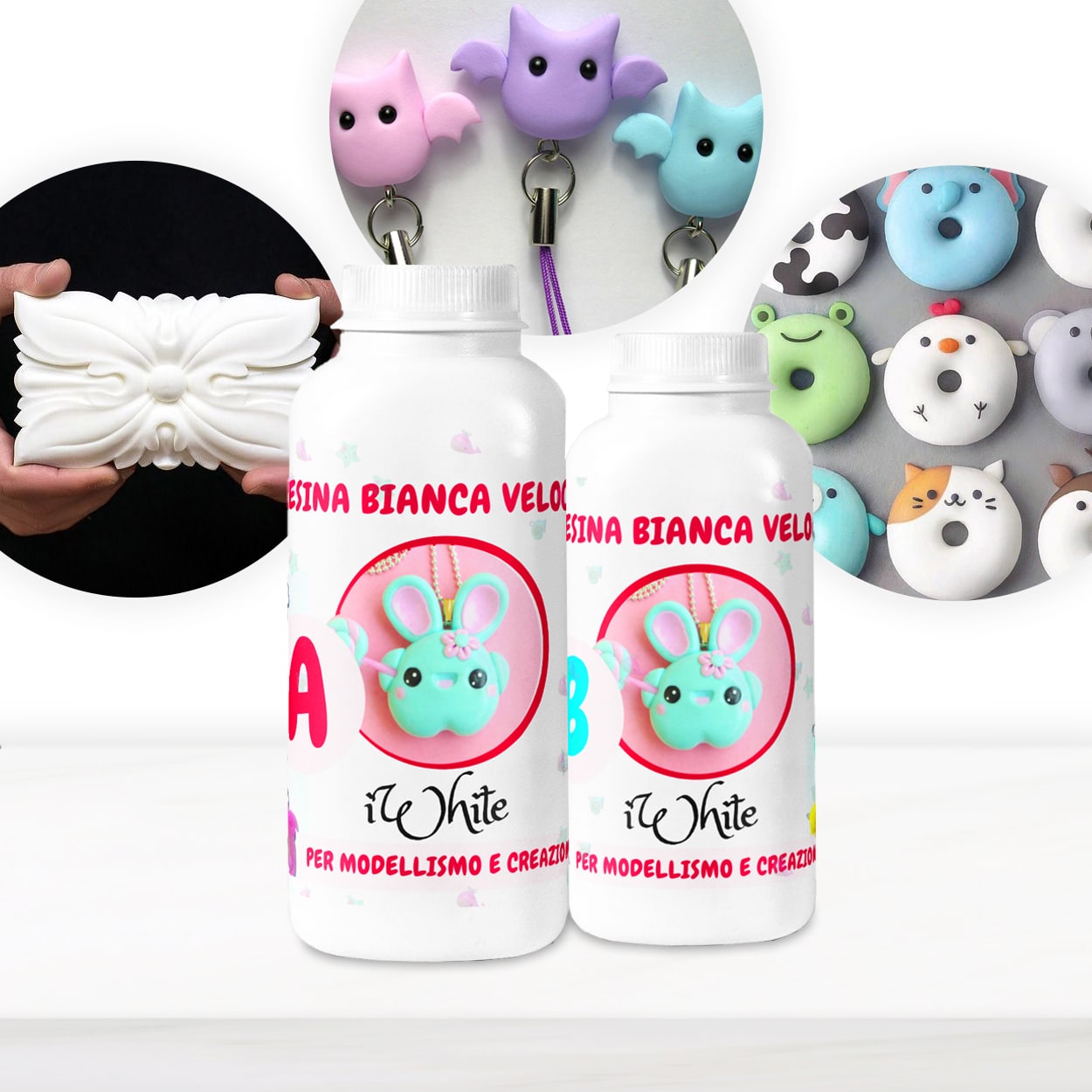
Noticing unwanted bubbles in your PU31 polyurethane resin castings? You’re not alone—these small imperfections often appear during the casting process, but with a few careful techniques, you can achieve smooth, professional results.
Common Causes of Bubbles
Bubbles in PU31 castings typically originate from two main sources: vigorous mixing, which can trap air into the resin, and air already present within the mould itself. Both can lead to surface marks or internal voids once your piece cures.
- Vigorous mixing incorporates air into the resin blend.
- Poor mould preparation can trap pockets of air as you pour.
Techniques to Minimise Bubbles
To ensure bubble-free results, adopt these simple habits in your casting routine:
- Stir slowly and carefully when combining the A and B resin components, avoiding exaggerated or rapid movements.
- Pour steadily into your mould, aiming for a single spot to help any bubbles rise and escape.
- Tapping or gently vibrating the mould after pouring encourages trapped bubbles to surface before the resin hardens.
If you need a fast-curing, highly fluid option for detailed work, “IWhite” Polyurethane Casting Resin is a reliable choice for smooth results.
When This Matters Most
Bubbles can be especially problematic if you’re casting fine details or creating transparent or white pieces where every imperfection shows. Careful technique is essential for high-quality models, prototypes, or decorative items.
Related products
Related guides
Mastering bubble prevention ensures your PU31 castings are crisp and professional. For more guidance on getting the best from your resin projects, see our advice on how to use PU31 resin.