 Free shipping on orders over £29,85
  Shipping Tracking!


 Google
 Facebook
← Back to How to remove air bubbles?
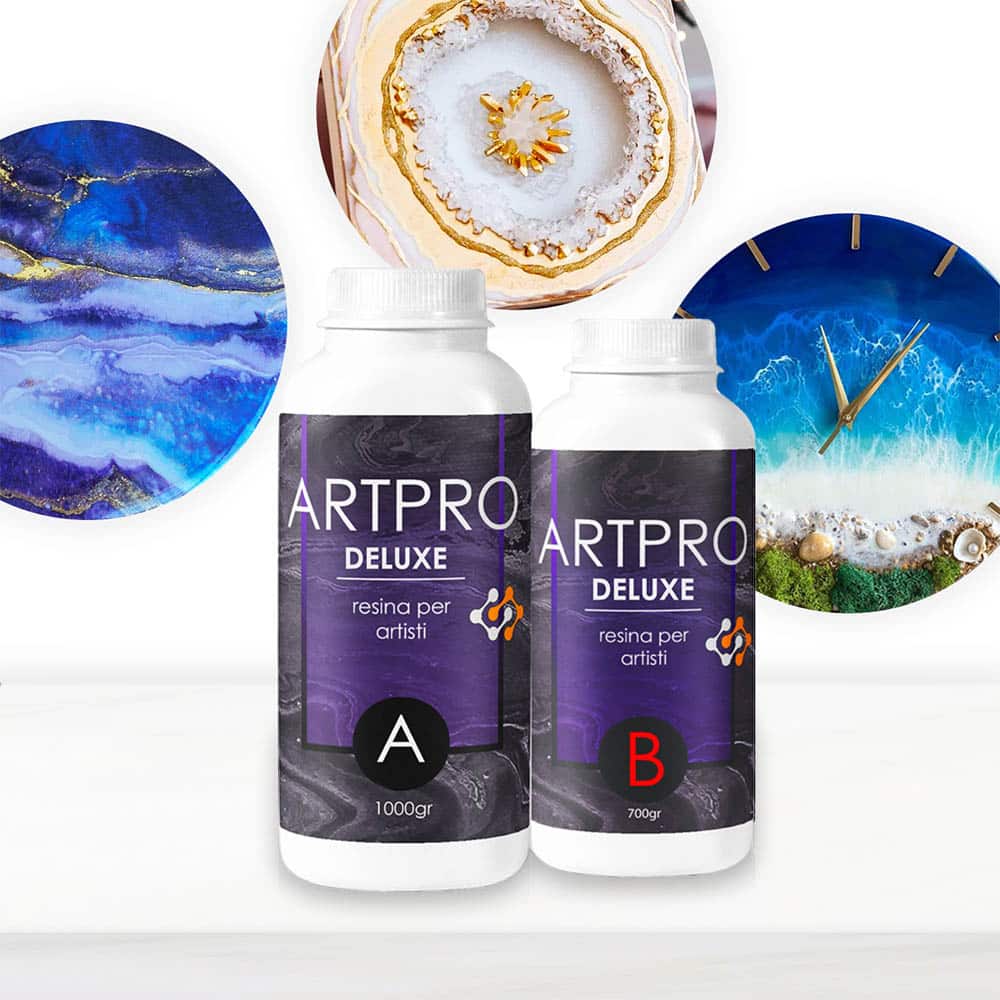
When working with resin art, understanding viscosity – particularly ultra-high viscosity – can be a real game changer. It directly affects how your colours behave and how well your final piece turns out.
What Is Ultra-High Viscosity?
Ultra-high viscosity refers to the thickness or resistance to flow of a resin. For creative projects, especially those involving detailed artwork, an ultra-high viscosity resin like Art Pro Deluxe offers greater control. The resin behaves more like a thick syrup, meaning colours stay where you put them and intricate lines hold their shape, rather than bleeding or blending unintentionally. This is essential for techniques such as geode effects, ocean waves, and when you want crisp definition in your designs.
Practical Tips for Using Ultra-High Viscosity Resin
Working with a thicker resin does require some adjustments. Always stir thoroughly but gently to limit air bubble introduction; consider using an Anti Bubble Mixer designed for resin. If layering more than 1 cm thick, it’s wise to gently warm the resin with a heat gun, such as the 1500W Heat Gun, which helps reduce bubbles and ensures a flawless surface. Ultra-high viscosity mixtures also self-level, aiding in glossy top coats and smooth finishes.
When Does Ultra-High Viscosity Matter Most?
- Detail-Oriented Designs: When you want sharp, separate colours or intricate patterns.
- Finish Layers: For the final glossy coat that needs to resist scratches and show stunning clarity.
- Fast Curing Needs: If you’re aiming to speed up your creative process without sacrificing finish quality.
Related products
Related guides
Choosing the correct resin viscosity affects both the artistry and finish of your work. If you’re exploring how to achieve the cleanest results or keep air bubbles at bay, discover more tips and tricks on removing air bubbles from resin for supreme clarity in your projects.