 Free shipping on orders over £29,85
  Shipping Tracking!


 Google
 Facebook
← Back to How to replace epoxy thinner?
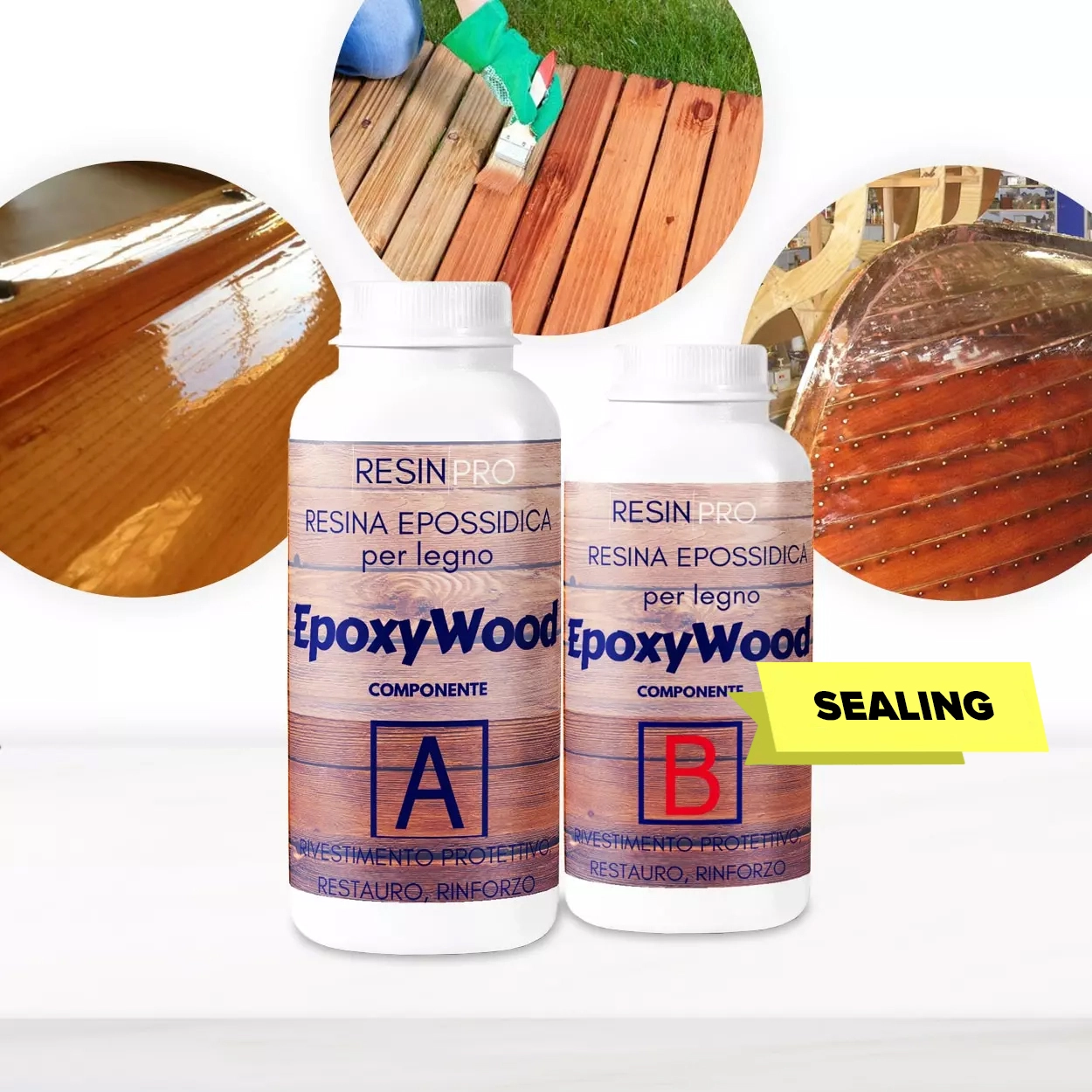
Achieving long-lasting wood restoration often means reaching beyond the surface. Ultra-low viscosity epoxy resins are designed to penetrate deeply into wood fibres, strengthening and waterproofing wood from the inside out.
Why Penetration Depth Matters in Wood Restoration
When restoring or protecting timber, it’s crucial for the resin to seep into the microscopic channels and pores of the wood. An ultra-low viscosity epoxy moves easily through these fibres, ensuring thorough saturation. This deep penetration helps reinforce the wood, reduces movement, and enhances resistance against moisture and the elements, particularly for external wooden surfaces.
Practical Guidance: Choosing and Applying Ultra-Low Viscosity Epoxy
For wood restoration, opt for specialised resins such as EpoxyWood – Wood Restoration Epoxy Resin. Its solvent-free, ultra-low viscosity formulation is created to soak deeply into dry wooden substrates, reinforcing them and creating a robust, water-repellent barrier.
- Start with perfectly dry and sanded wood to maximise absorption.
- Apply the resin generously, allowing it to wick into cracks and fibres.
- Repeat the application if needed for particularly porous or damaged areas.
When Deep Penetration is Essential
Choose ultra-low viscosity epoxy resins for restoring furniture, boat hulls, outdoor timber, or any wooden surface exposed to moisture. These resins offer a practical alternative to using thinners, providing the deep consolidation needed for lasting results.
Related products
Related guides
Opting for an ultra-low viscosity epoxy can transform wood restoration outcomes by delivering unmatched internal strength and weather resistance. For further tips on resin selection and usage, return to our main guide: How to replace epoxy thinner?