 Free shipping on orders over £29,85
  Shipping Tracking!


 Google
 Facebook
← Back to What to Buy to Create with Epoxy Resin and Wood?
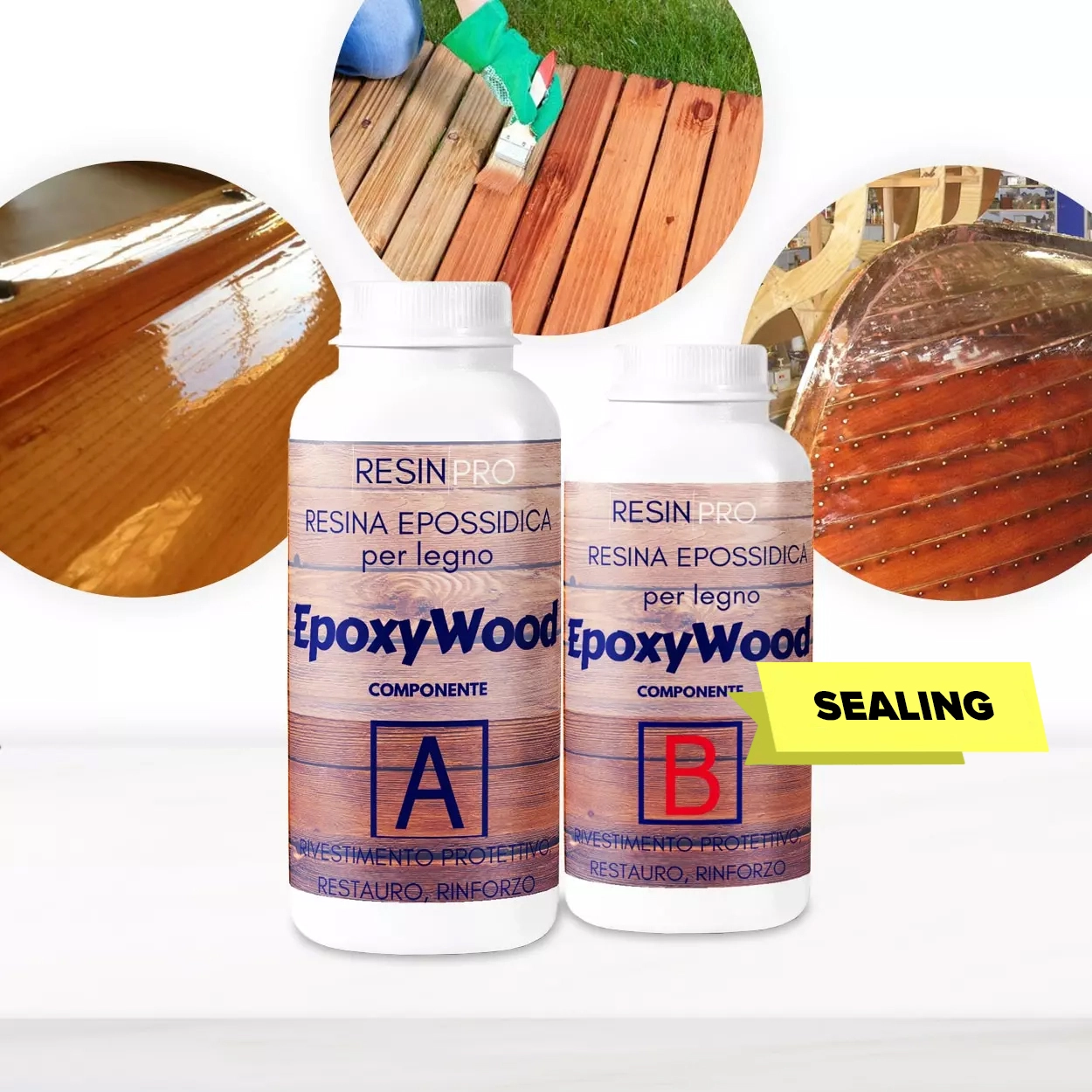
When working with wood and epoxy resin, using an ultra-low viscosity resin ensures deeper penetration into the wood fibres. This approach is crucial for restoration, reinforcement, and achieving strong, durable results in your woodworking projects.
Why Choose Ultra-low Viscosity Epoxy Resin?
Ultra-low viscosity epoxy resins are specifically formulated to flow effectively into the natural pores and capillaries of wood. This quality helps the resin bond from within the structure, providing reinforcement and a lasting waterproof seal. Such deep penetration is especially valuable for restoring old or weathered timber, strengthening areas prone to cracking, and preparing surfaces before further decorative resin pours.
Practical Tips for Application
- Surface Preparation: Ensure the wood is dry and thoroughly sanded to maximise resin absorption.
- Application: Use a brush or roller for even coverage, allowing the resin to soak into the wood. For very porous or damaged areas, multiple thin coats can improve penetration and results.
- Finishing: Once cured, the surface is fully sealed and ready for additional epoxy pours or final finishing, such as polishing.
The EpoxyWood resin is an excellent choice, offering deep penetration, waterproofing, and a natural-looking finish ideal for a variety of wood restoration tasks.
When Ultra-low Viscosity Matters Most
This type of resin is essential when treating deteriorated, exterior, or antique wood where deep reinforcement is crucial. It’s also highly useful for marine woodwork or furniture restoration, where durability and moisture resistance are priorities.
Related products
Related guides
For anyone embarking on epoxy resin and wood projects, understanding the role of ultra-low viscosity resins ensures stronger, longer-lasting creations. Explore more essential solutions for your next build on our main resin and wood buying guide.