 Free shipping on orders over £29,85
  Shipping Tracking!


 Google
 Facebook
← Back to What resin should be injected for delaminated boards?
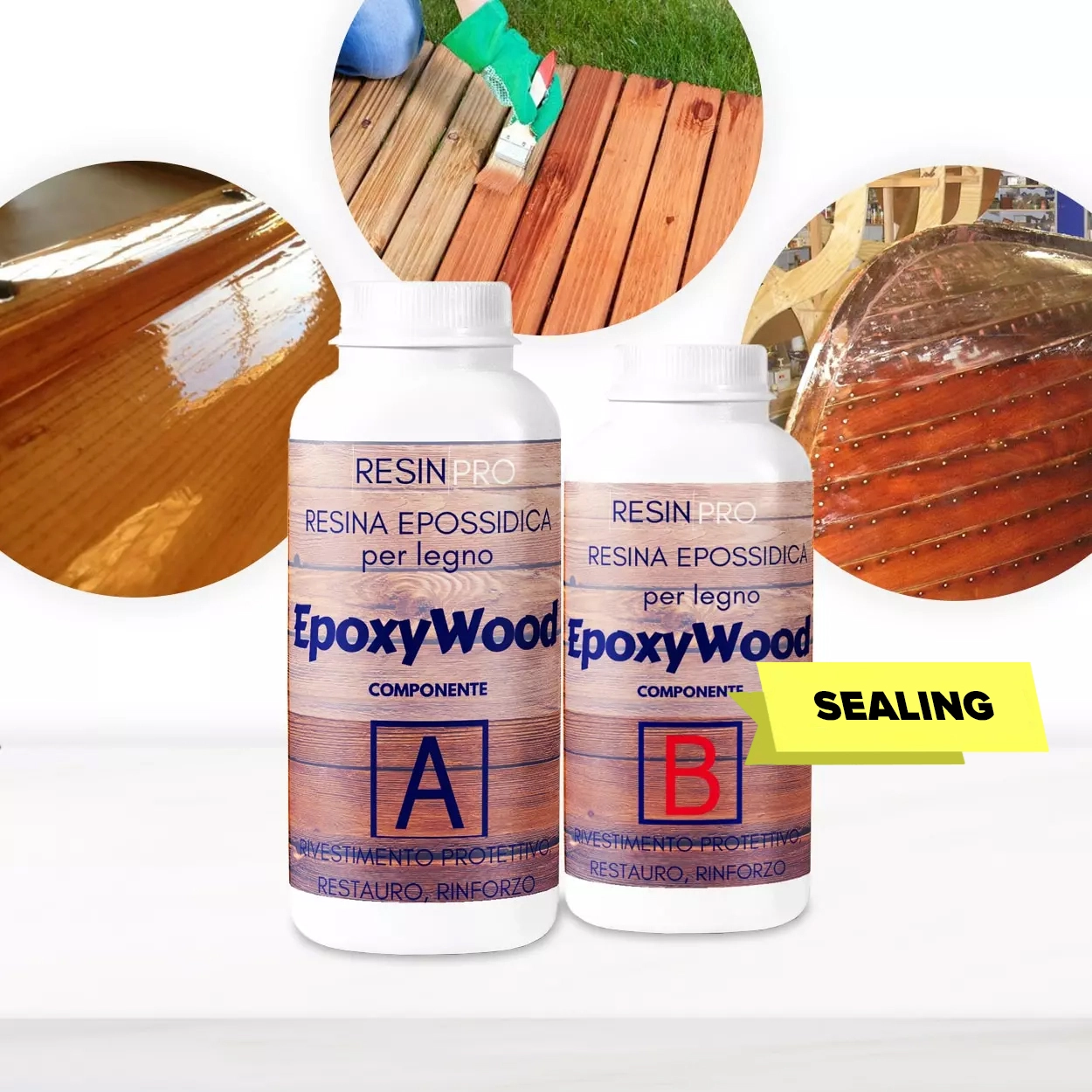
If you’re dealing with delaminated wooden boards, selecting a resin with ultra-low viscosity is essential for thorough and long-lasting restoration. Here’s how these specialist resins work and when to use them.
What is Ultra-Low Viscosity Resin?
Ultra-low viscosity resin is a type of epoxy that flows very easily, allowing it to seep deep into wood fibres and fill fine cracks. This ensures strong internal bonding and helps reinforce weakened, delaminated boards from within. A good example is EpoxyWood – Wood Restoration Epoxy Resin for Deep Penetration and Waterproofing, which is formulated to deeply penetrate wood, preventing moisture and future separation.
Application Tips for Wood Repairs
Before injecting resin, ensure the board is completely dry and sanded for best adhesion. Inject the resin into cracks and delaminated areas, then allow it to soak in fully. Ultra-low viscosity products spread quickly, so work steadily and wipe away any excess. Once cured, these resins form a durable, waterproof barrier that helps restore and protect the board’s structural integrity.
When Ultra-Low Viscosity Matters
- Essential for treating boards with extensive inner cracks or separation where surface coatings cannot reach.
- Ideal for restoring valuable or outdoor wood structures, such as furniture, decking, or boat hulls.
- Not suitable for projects where thicker, non-penetrating coats or decorative layers are required.
Related products
Related guides
Choosing an ultra-low viscosity resin allows you to properly restore delaminated boards by reaching and reinforcing hidden inner layers. For in-depth advice on selecting the right epoxy for your application, see our main guide: What resin should be injected for delaminated boards?