 Free shipping on orders over £29,85
  Shipping Tracking!


 Google
 Facebook
← Back to How to use very resinous wood?
Achieving a smooth, professional finish on very resinous wood requires patience and the right approach. Gradual sanding is key to overcoming sticky residues and difficult surfaces, ensuring your final result is even and prepared for finishing or coating.
Why Gradual Sanding Works Best
Resinous wood is naturally sticky due to its high sap content, which can quickly clog sandpaper and create uneven spots. By starting with a coarser grit (such as 80 or 100) and working your way up through progressively finer grits, you gently remove surface irregularities and allow the resin to distribute more evenly. This reduces gumming and lessens wear on your equipment.
- Start coarse and move finer: 80 → 120 → 180 → 240 grit
- Replace sandpaper often to avoid buildup
- Sand in the direction of the wood grain to avoid scratches
Preparation and Practical Tips
Before sanding, make sure the wood is completely dry. Sticky resin can gum up sandpaper much faster if any moisture is present. Use a suitable degreaser to wipe down the surface if you notice excessive resin buildup after initial sanding. Allow the wood to rest between sanding stages, if possible, giving any surface stickiness time to diminish.
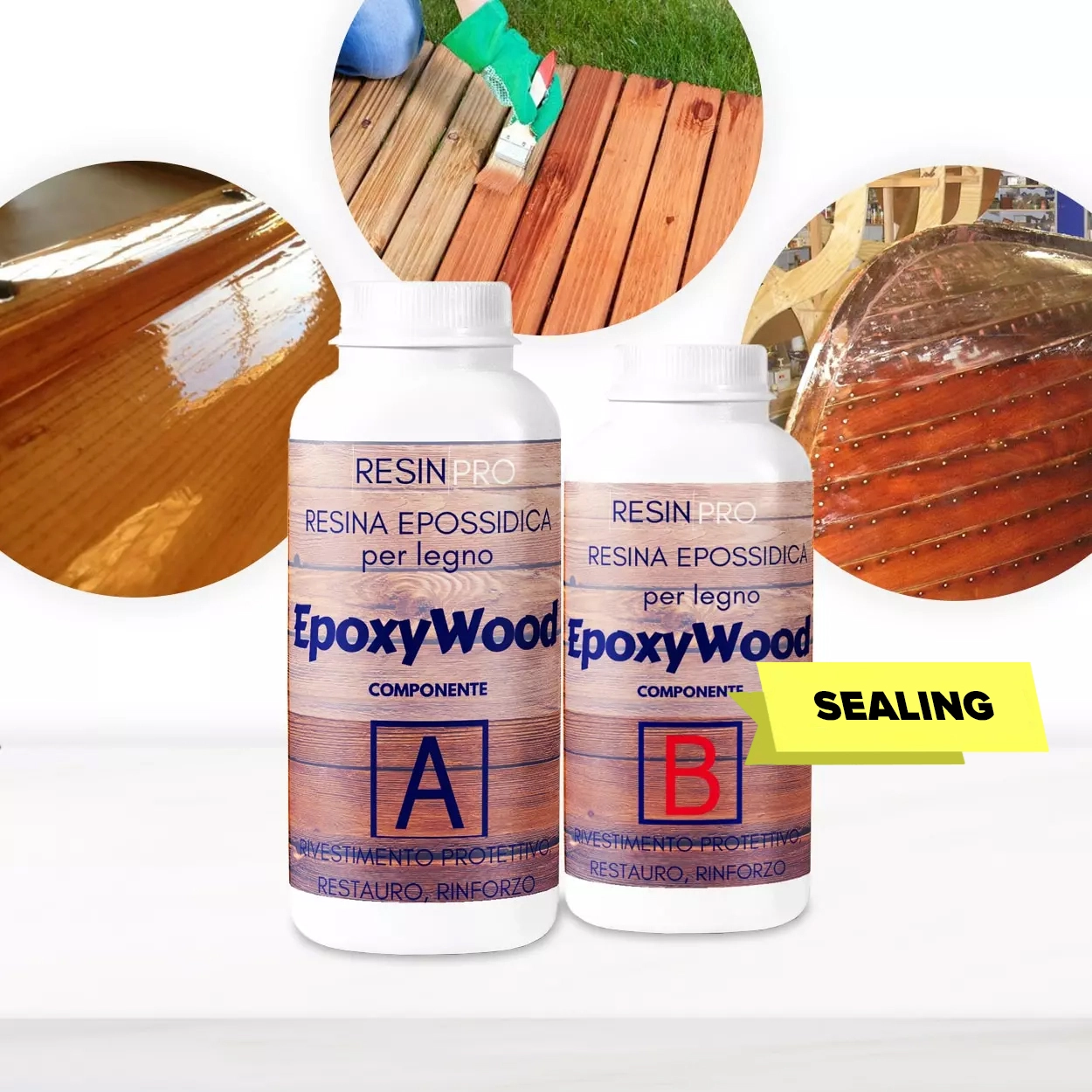
If you plan to reinforce or finish the wood, applying an epoxy wood resin such as EpoxyWood after sanding can help seal the surface and create a durable, waterproof layer for long-term protection.
When Gradual Sanding Matters Most
This approach is especially valuable when preparing resinous woods such as pine, spruce, or fir for high-clarity finishes or epoxy coatings. Rushing or skipping grit stages may lock in uneven areas or cause further mess, making later finishing far more difficult. Careful sanding helps ensure the surface accepts resins or other protective products evenly.
Related products
Related guides
Adopting gradual sanding techniques means your very resinous wood is set for the best results, whether you’re restoring, sealing, or crafting. For more expert advice and related tips, see our full guide on how to use very resinous wood.