 Free shipping on orders over £29,85
  Shipping Tracking!


 Google
 Facebook
← Back to how to make a silicone rubber mould video
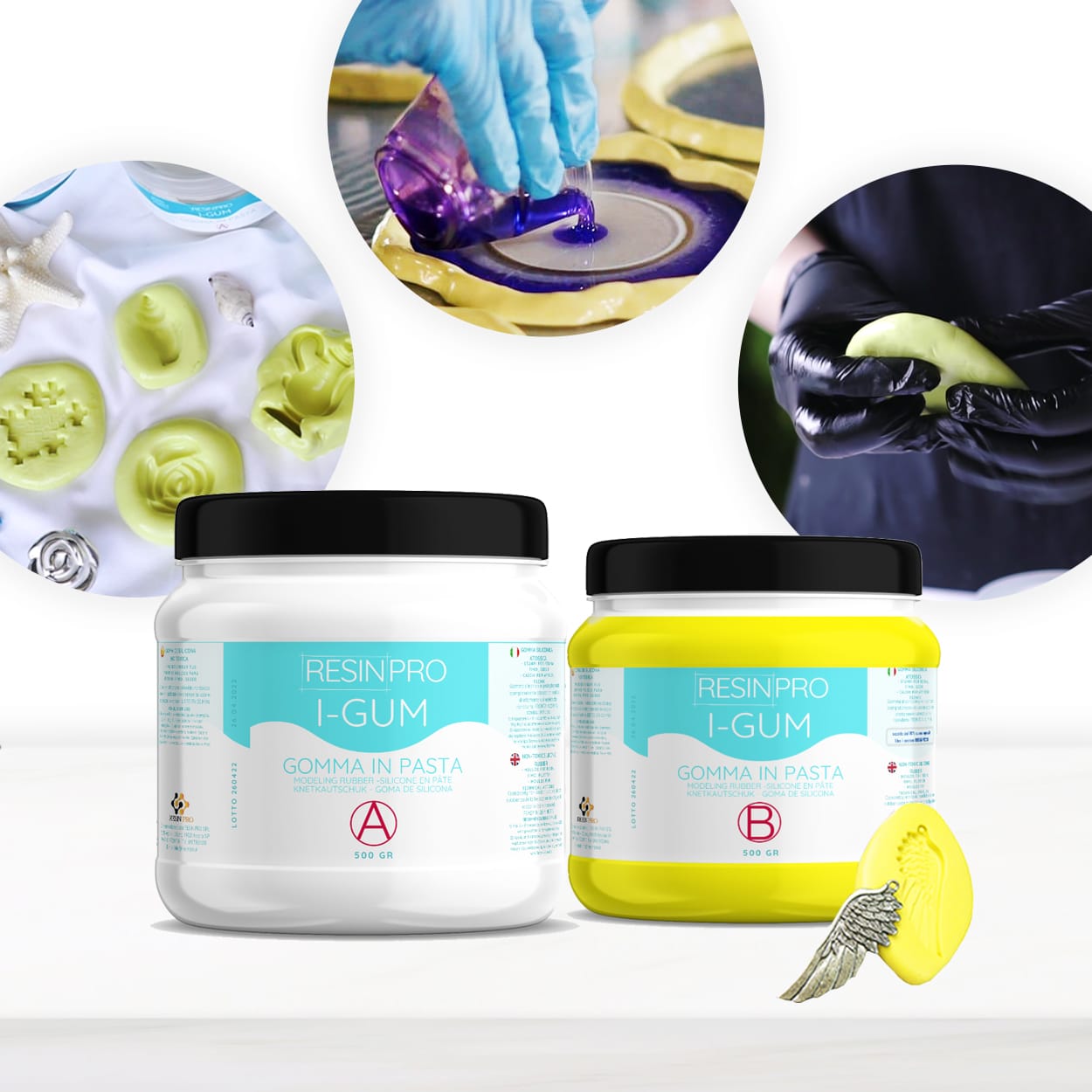
Starting with silicone mould making may seem daunting, but choosing the right putty can make all the difference. I-Gum silicone putty is often recommended for newcomers due to its straightforward process and accessible features.
Why I-Gum is Well-Suited to Beginners
I-Gum putty stands out because of its simplicity and safety. As a non-toxic, odourless product, it offers peace of mind for those new to casting who may not have specialist gear. Its 1:1 mix ratio eliminates guesswork—just measure equal parts, blend them by hand, and the putty is ready for shaping. Plus, there’s no need for protective gloves or complicated tools, making the setup both quick and fuss-free.
How to Use I-Gum for Mould Making
To begin, prepare a clean work surface and ensure your model is free of dust and oils. Take equal amounts of I-Gum base and catalyst, then knead together until uniform in colour. You have up to 20 minutes working time, allowing enough flexibility for adjustments. Simply press the putty around your object to create a detailed negative, then let it set. Once cured, you can use the mould for resin, wax, or similar materials. If you prefer a structured walkthrough, follow the steps shown in the Free Step-by-Step Lesson “Kiwi Coasters” by Natalia Natirum.
When This Matters: Picking the Right Starter Silicone
- If you’re new and want a fuss-free introduction to mould making
- When you’re casting small items like coasters, trays or jewellery
- If you prefer working without harsh smells or the need for gloves
Related products
Related guides
Choosing a beginner-friendly silicone like I-Gum sets you up for a successful start in mould making. As you build confidence, explore the wider range of guides and video tutorials on resin and silicone techniques available on our parent hub page.