 Free shipping on orders over £29,85
  Shipping Tracking!


 Google
 Facebook
← Back to How do you colour UV resin?
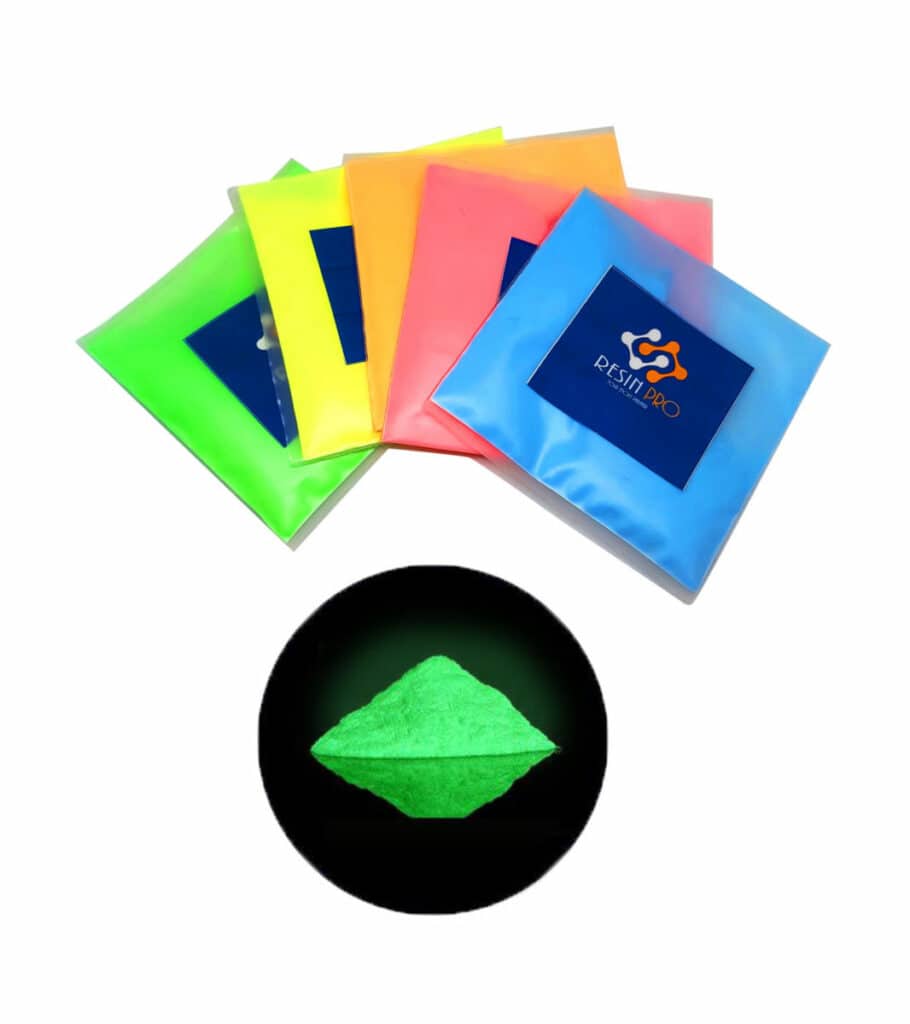
If you’re new to colouring UV resin, using pigments can seem simple but a heavy hand often leads to dull or unpredictable results. For the best outcome, moderation is key.
Why Less is More with Pigments
When first starting with UV resin, it’s tempting to add plenty of pigment for strong colour. However, too much pigment can hinder the curing process, resulting in tacky or improperly set resin. Minimal pigment ensures the resin remains clear and fully cures under UV light, giving a bright, even colour.
- Add pigment in very small amounts and mix thoroughly.
- Test with a small batch before committing to larger projects.
- Remember that a little pigment goes a long way due to its concentration.
Beginner-Friendly Pigment Types
Different pigments yield different effects. For a vibrant glow, try Fluorescent UV Pigment Powders. These powders are highly concentrated and only a small pinch is needed for visibility, making them simple and effective for beginners. If you prefer delicate tints, transparent liquid colours like Magic Crystal Transparent Resin Colour are designed to blend smoothly, helping novices avoid over-pigmenting.
When Precision Matters Most
Controlling pigment levels is especially important when making jewellery, layered pendants or light-catching items, where clarity and even curing are crucial. Pigment overload may cloud clear resin or cause uneven results, so building up colour gradually is always advisable.
Related products
Related guides
Mastering how much pigment to use sets a strong foundation for all your UV resin colouring projects. To learn more or explore different colouring options, visit our main guide on how to colour UV resin.