 Free shipping on orders over £29,85
  Shipping Tracking!


 Google
 Facebook
← Back to How long do water softener resins last?
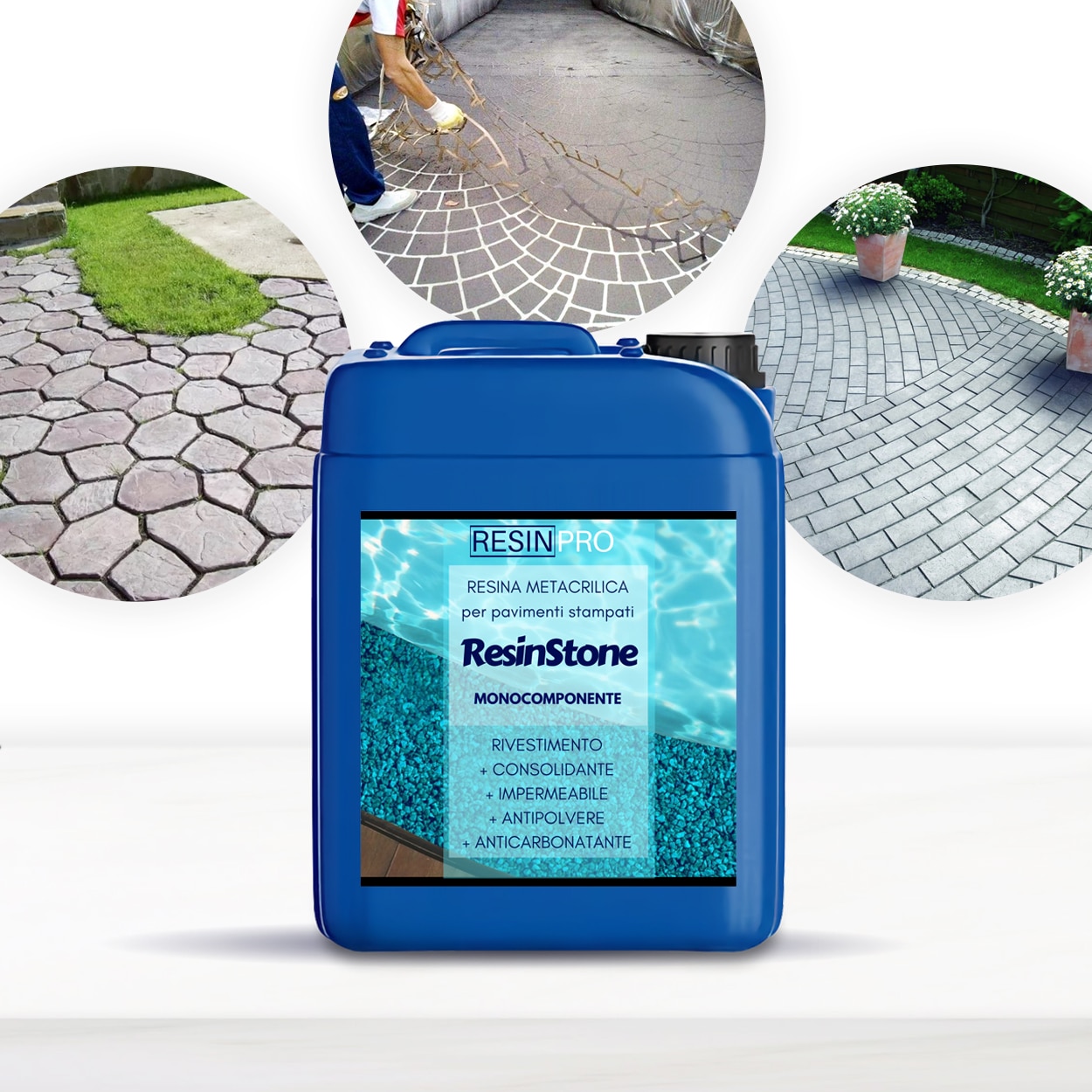
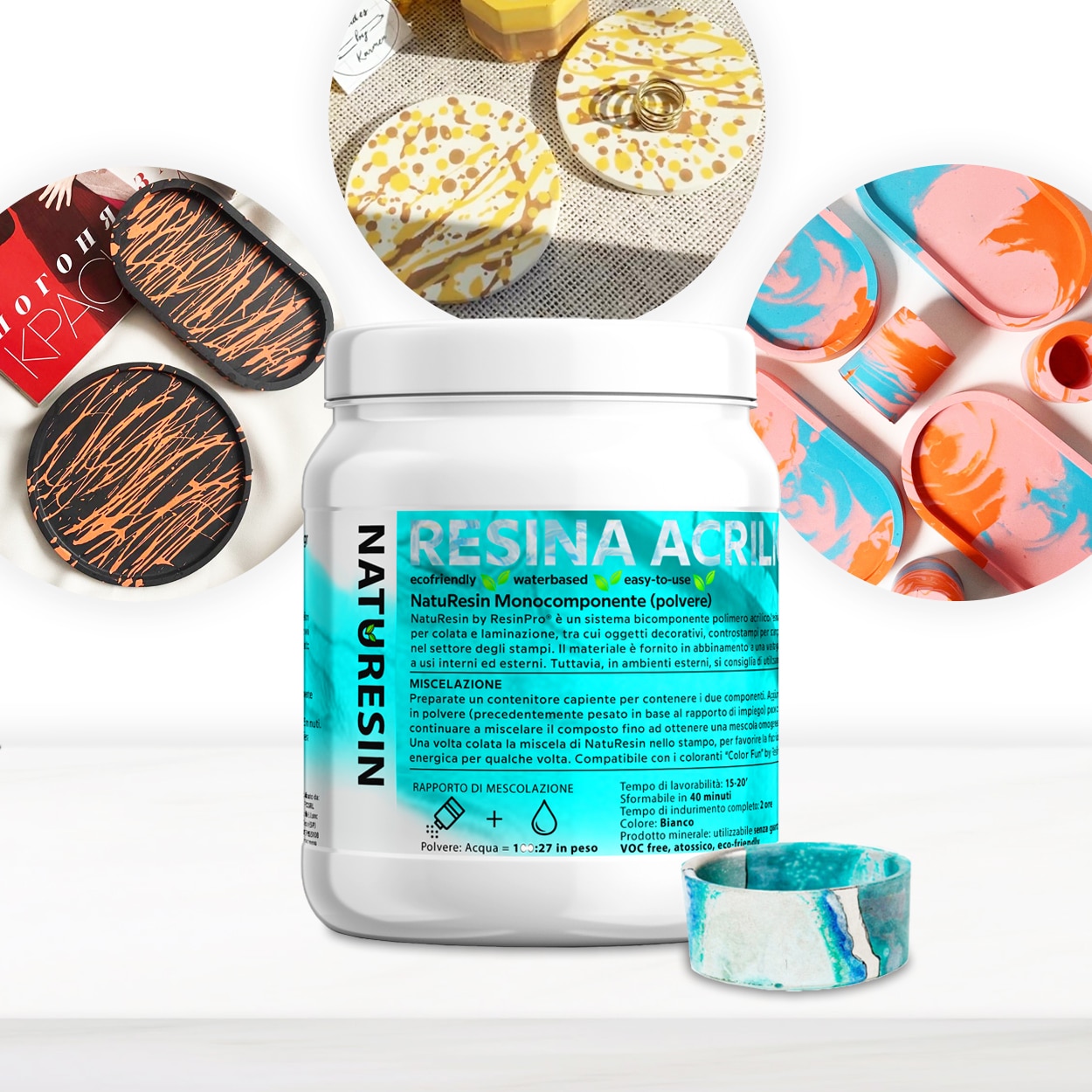
Considering enhancing an existing gravel area with a resin binder for more stability? It’s wise to check which product truly fits the job before starting work.
Is Resinstone Right for Loose Gravel?
Resinstone is formulated specifically for use on absorbent substrates such as concrete. While it’s excellent for sealing and protecting hard, porous surfaces, Resinstone is not recommended as a binder for existing loose gravel. Its design does not allow it to adequately stabilise or hold gravel particles together, and applying it over a loose base will not produce a durable, bonded finish.
Best Uses for Resinstone
If you have a concrete drive, patio, or path in need of protection or enhanced resistance to the elements, Resinstone offers excellent results. Its single-component formula deeply penetrates the substrate, providing waterproofing, resistance to chemicals, weather, and general abrasion. However, for binding aggregate like gravel, you will need a dedicated stone binder designed for that purpose.
To explore Resinstone’s strengths, see the full product details for Resinstone methacrylic resin.
When Surface Type Matters Most
Surface composition plays a critical role in selecting the right resin product. Resinstone works best on solid, absorbent surfaces, so using it on loose gravel won’t provide the long-lasting results you expect. Always match your resin to your surface for both safety and success.
Related products
Related guides
Assessing your substrate is the first step to lasting results. To find out more about resin performance or how long your surface treatments might endure, browse our main guide on surface resin lifespans and care.