 Free shipping on orders over £29,85
  Shipping Tracking!


 Google
 Facebook
← Back to When is resin formed?
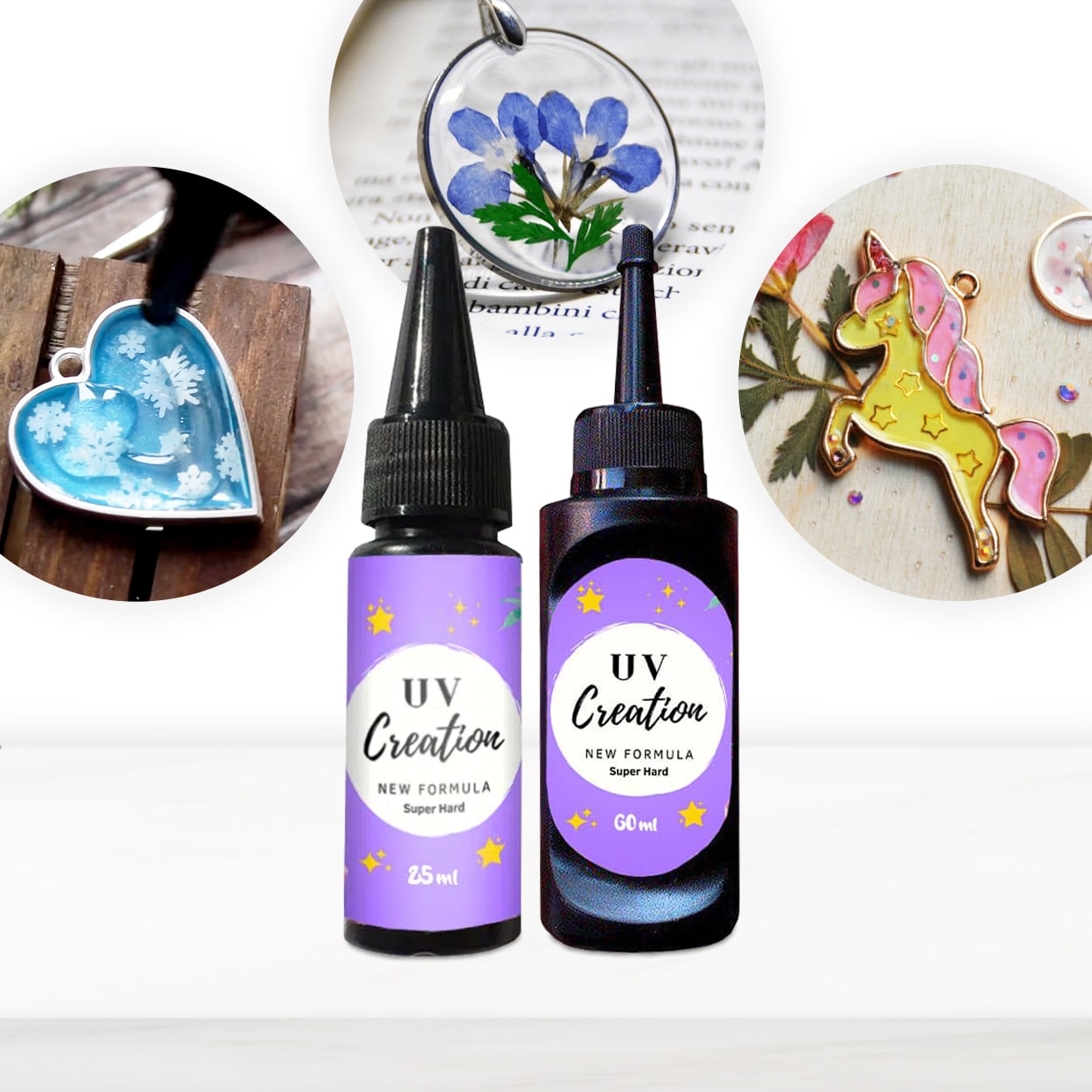
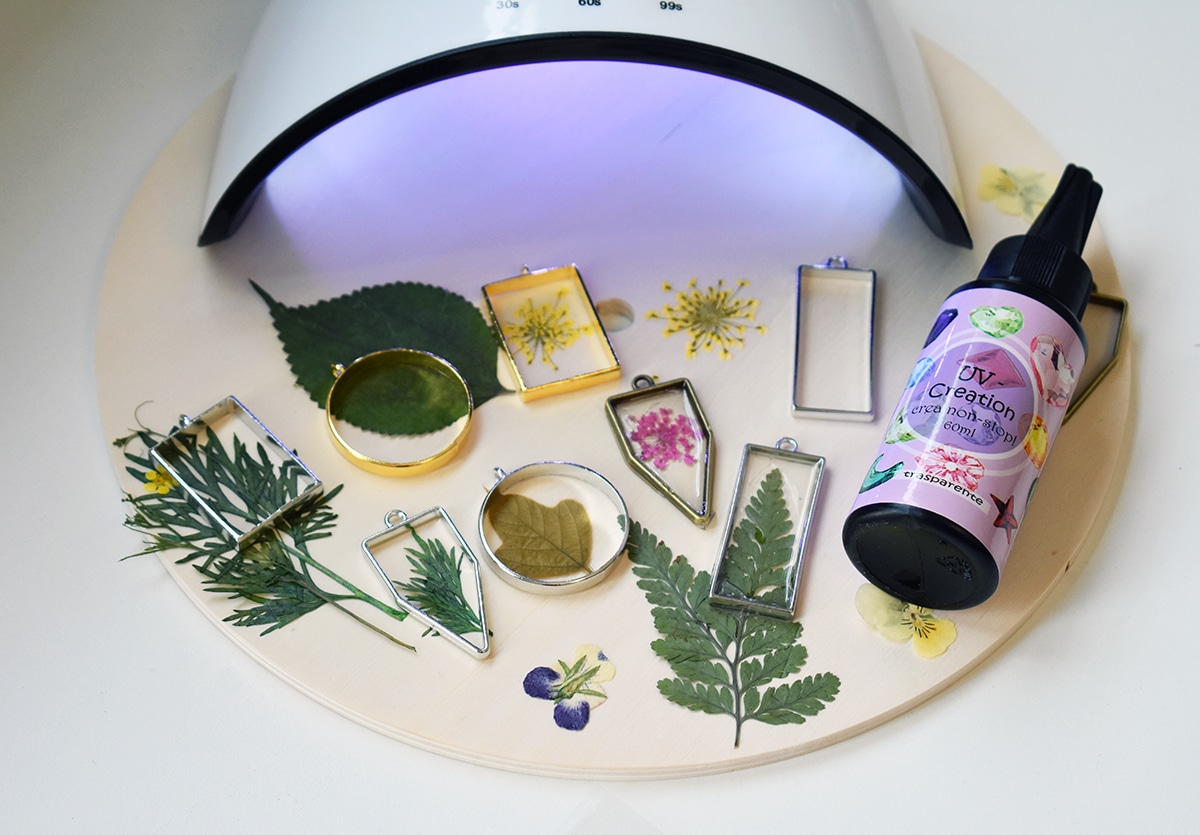
UV acrylic resins are a favourite among modern crafters and jewellery artists thanks to their ability to transform from liquid to solid within minutes when exposed to ultraviolet light. If you want speed and clarity in your resin projects, UV acrylic resin is a superb choice.
How UV Acrylic Resin Cures
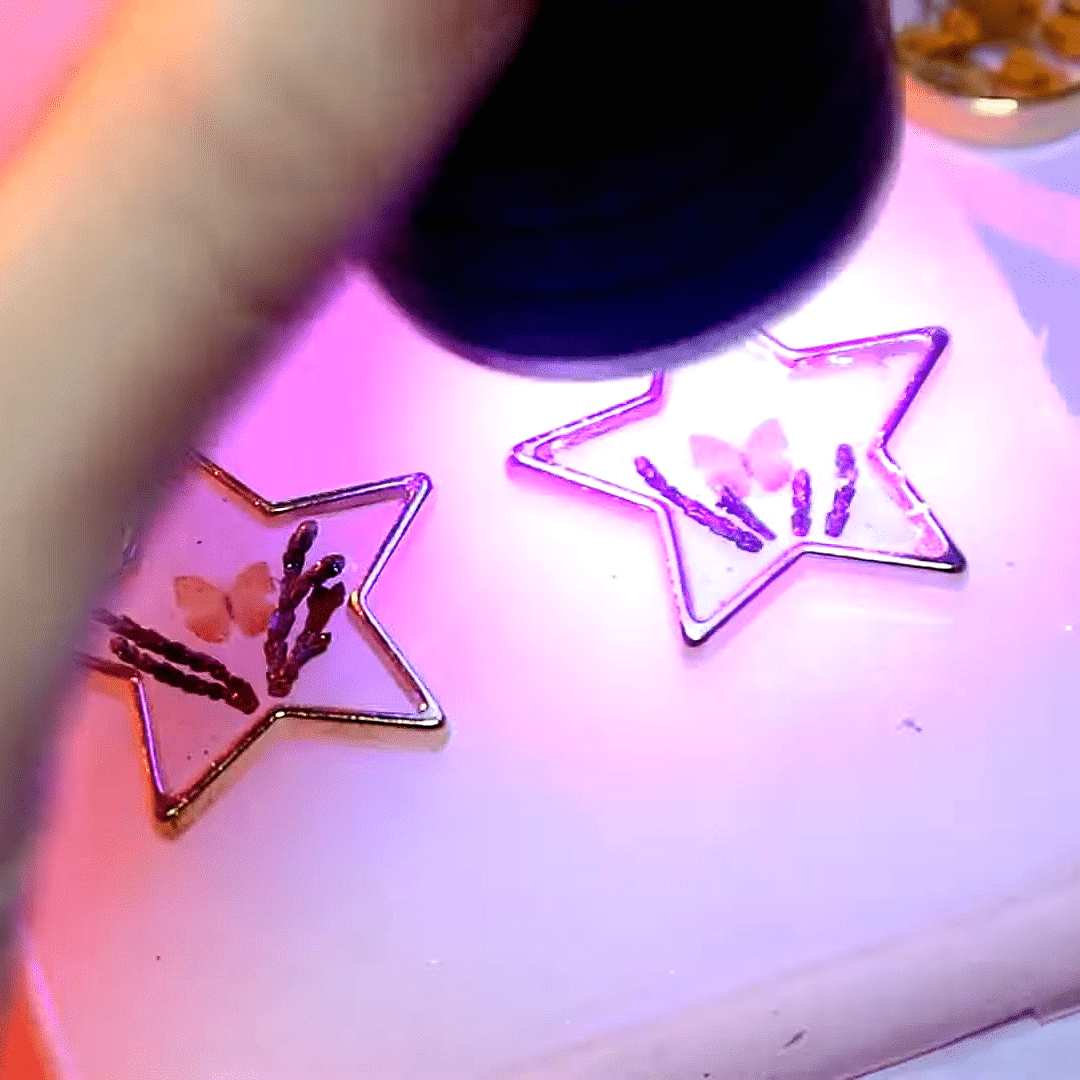
The defining feature of UV acrylic resin is its rapid, light-triggered cure. Unlike traditional two-part resins, this is a single-component system that begins to harden as soon as it is placed under a compatible UV lamp. Most UV acrylic resins reach full cure in just 2–3 minutes, typically under lamps with a wavelength of 365–405 nm and power between 3W and 36W. This enables a near-instant transformation for time-sensitive projects, ideal for small castings and details.

Creative Uses & Practical Tips
Because UV acrylic resins cure quickly and yield a crystal-clear glossy finish, they are especially well-suited to crafts such as jewellery, embedded art, and small decorative pieces. You can customise your results by mixing in dry pigments or glitter—just avoid alcohol inks, which may interfere with the curing process. For best results, apply the resin in layers no thicker than about 3 mm, curing each before adding the next, and always ensure an even spread of UV light for consistent hardening. Try products like “UV–Creation” Fast Acrylic Resin for reliable results and a user-friendly experience.
When This Matters
UV acrylic resins matter when you need fast, reliable curing for small, detailed work—especially if you value immediate handling and a non-sticky finish. They are also a go-to for those who may not want to handle mixing ratios or wait long curing times as with traditional epoxies.

Related products
Related guides
Understanding UV acrylic resins means you can take full advantage of rapid resin formation in your creative practice. For more about how and when different resins harden, visit our main page on when resin is formed.