 Free shipping on orders over £29,85
  Shipping Tracking!


 Google
 Facebook
← Back to What do you put on an epoxy paint?
Yellowing can be a concern with clear epoxy resins, particularly when they’re exposed to sunlight. Choosing the right resin and applying it correctly helps preserve your project’s clarity for years to come.
Why Does Epoxy Yellow Over Time?
Epoxy resins are vulnerable to yellowing when exposed to ultraviolet (UV) light and heat over time. UV rays trigger a chemical reaction in most resins that leads to discolouration. Even everyday indoor lighting can contribute to gradual yellowing unless the resin formulation includes specific UV-blocking additives or stabilisers.
How to Choose Epoxy That Resists Yellowing
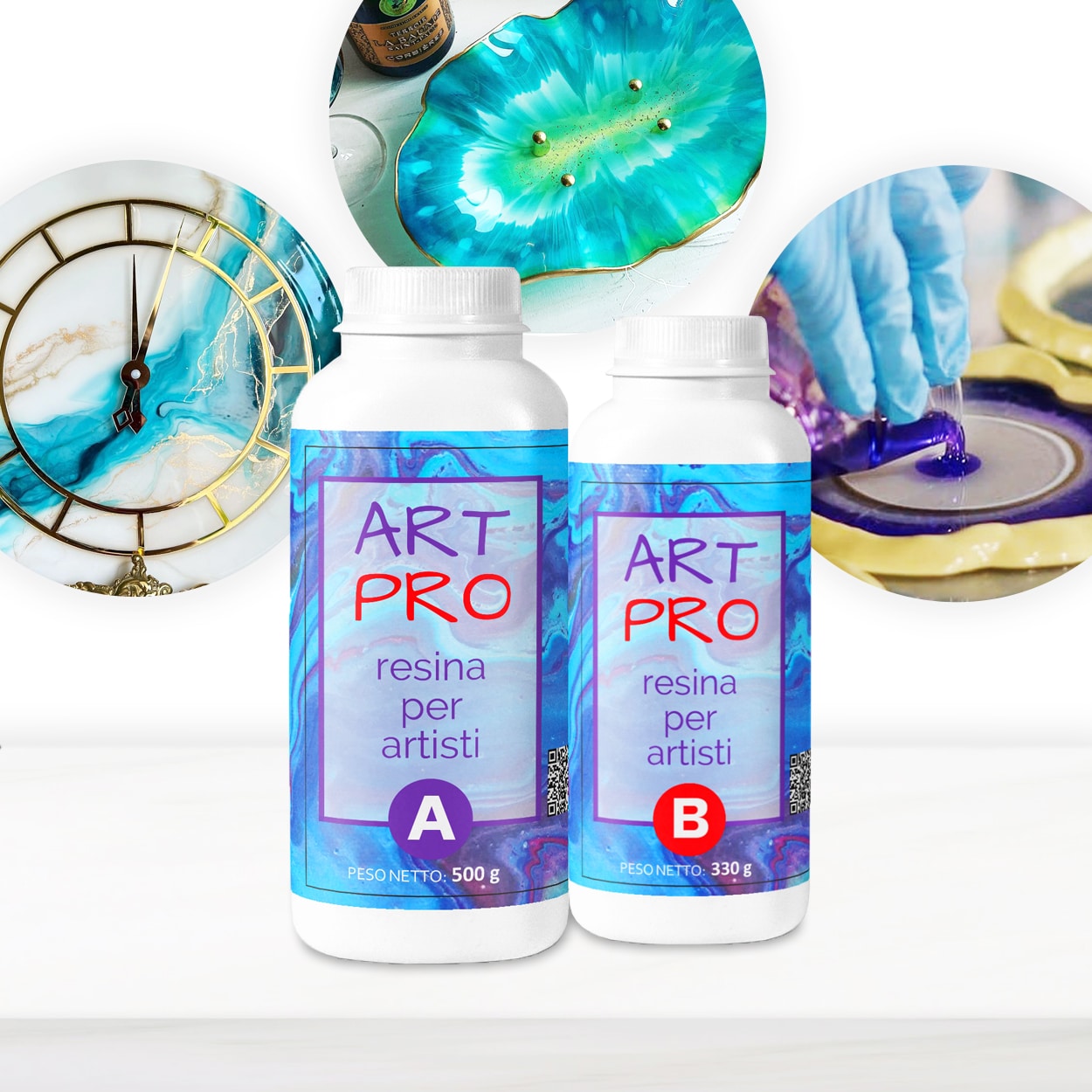
For the best defence against yellowing, select an epoxy resin that features an integrated UV filter or boasts a UV warranty. Products like Art Pro are formulated to maintain their clarity and brilliance over time, precisely because they incorporate UV protection. Always check product details for mentions of UV filters, protection durations, and suitability for your project’s intended environment—indoors or outdoors.
Practical Tips for Lasting Clarity
- Apply epoxy in the recommended thickness, as thinner layers are more susceptible to UV light penetration.
- Consider placement—limit direct sunlight exposure where possible.
- Use a resin specifically formulated for your application (artwork, furniture, or food-safe surfaces) to ensure suitable long-term performance.
When This Matters
UV resistance is crucial for surfaces and objects displayed in well-lit rooms, near windows, or outdoors. Artists, furniture makers, and anyone coating decorative or functional pieces will benefit from choosing a resin with clear anti-yellowing credentials.
Related products
Related guides
Understanding how UV exposure affects epoxy clarity helps you choose the right coating for a lasting finish. For further advice on creating durable, attractive coatings, browse our main guide on what to put on an epoxy paint.