 Free shipping on orders over £29,85
  Shipping Tracking!


 Google
 Facebook
← Back to How long does resin without catalyst take to dry?
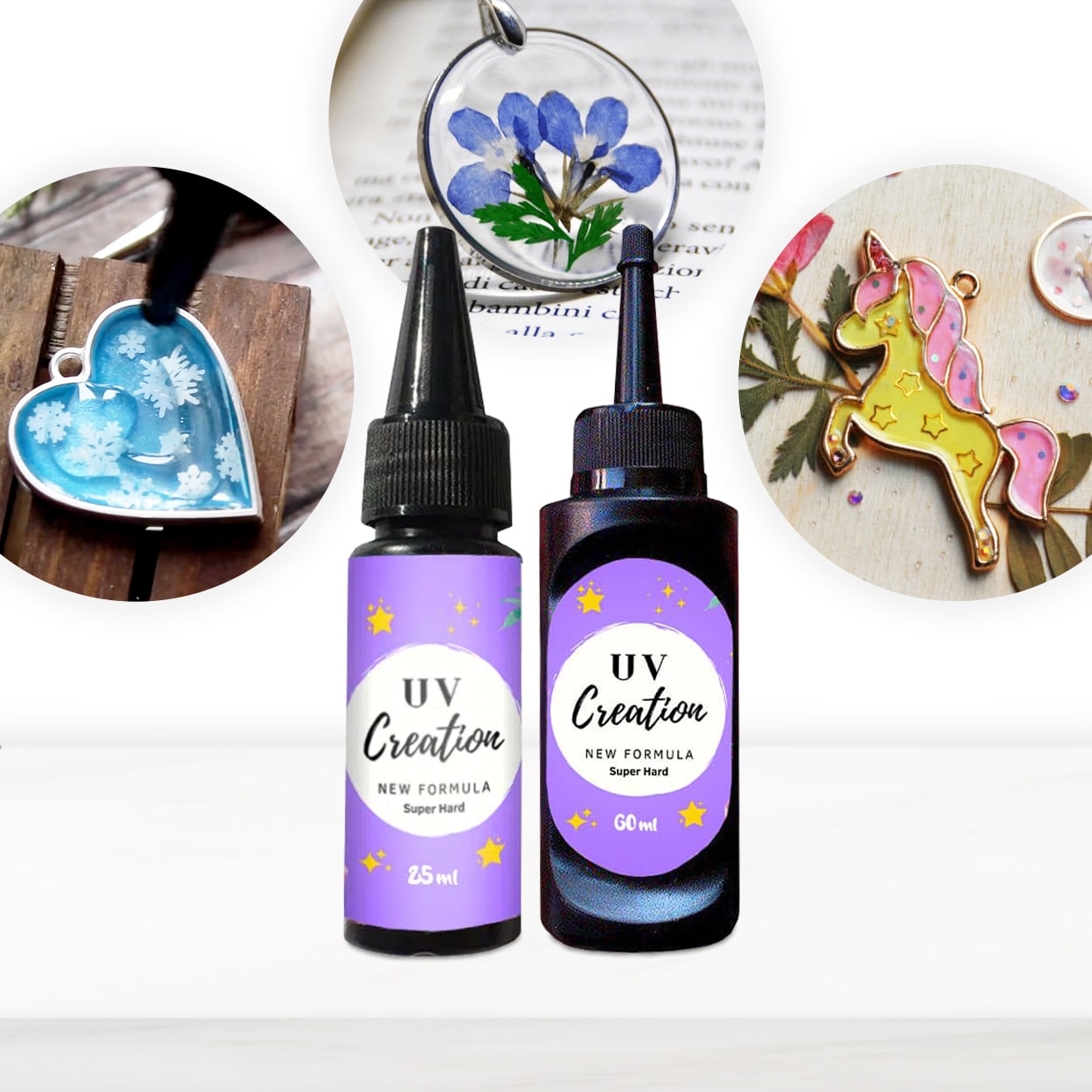
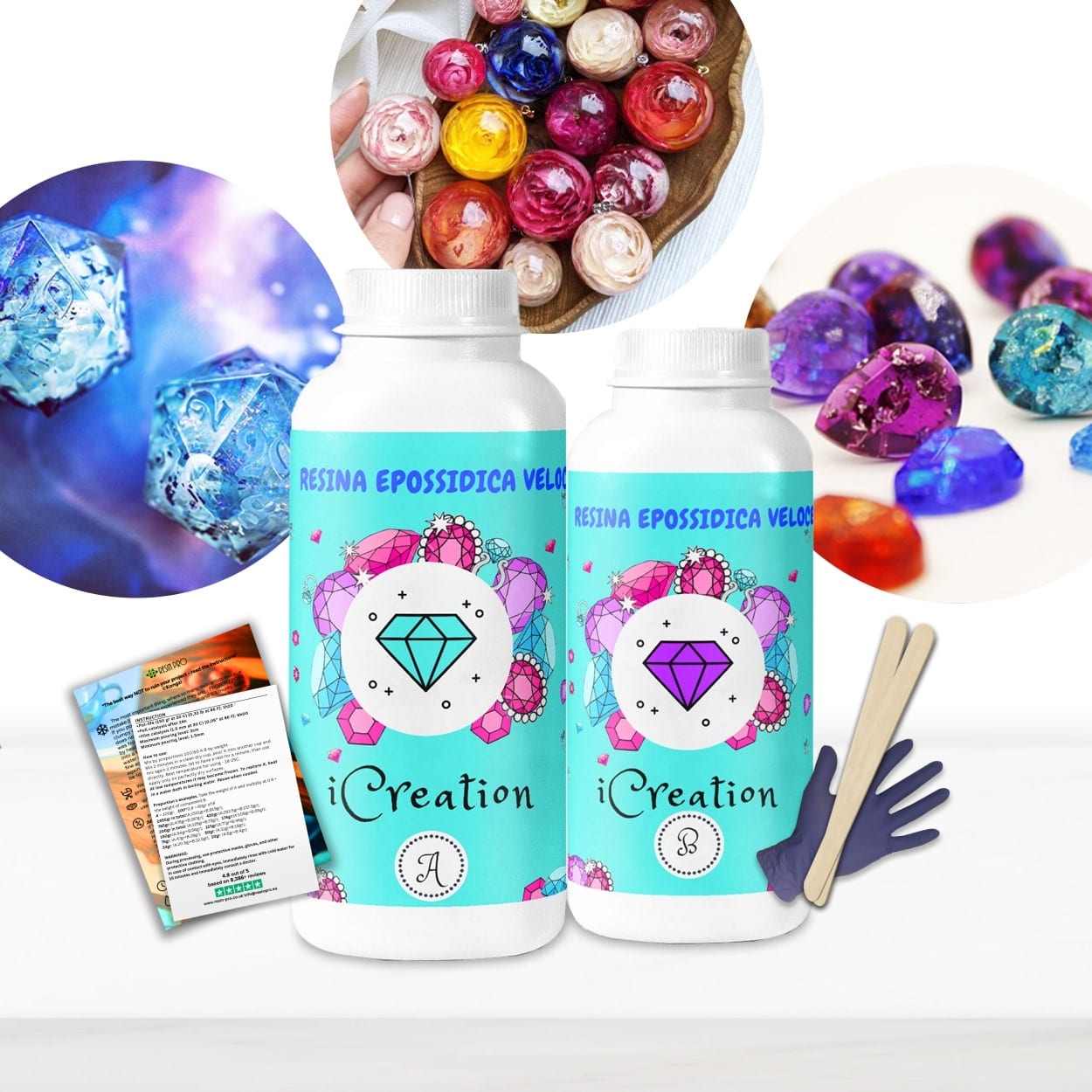
UV resin is designed for ultra-fast, clean results—but that speed relies on exposure to UV light. If you wonder what happens when it doesn’t get the right light, here’s what you need to know.
Does UV Resin Cure in the Dark?
UV resin works differently from standard resins. It contains photoinitiators that react and harden only when exposed to ultraviolet (UV) light. If left in darkness, or even just typical indoor lighting, the resin will remain in its liquid state indefinitely. This means it will not dry, set, or harden properly—no matter how long you leave it.
Best Practices for Curing UV Resin
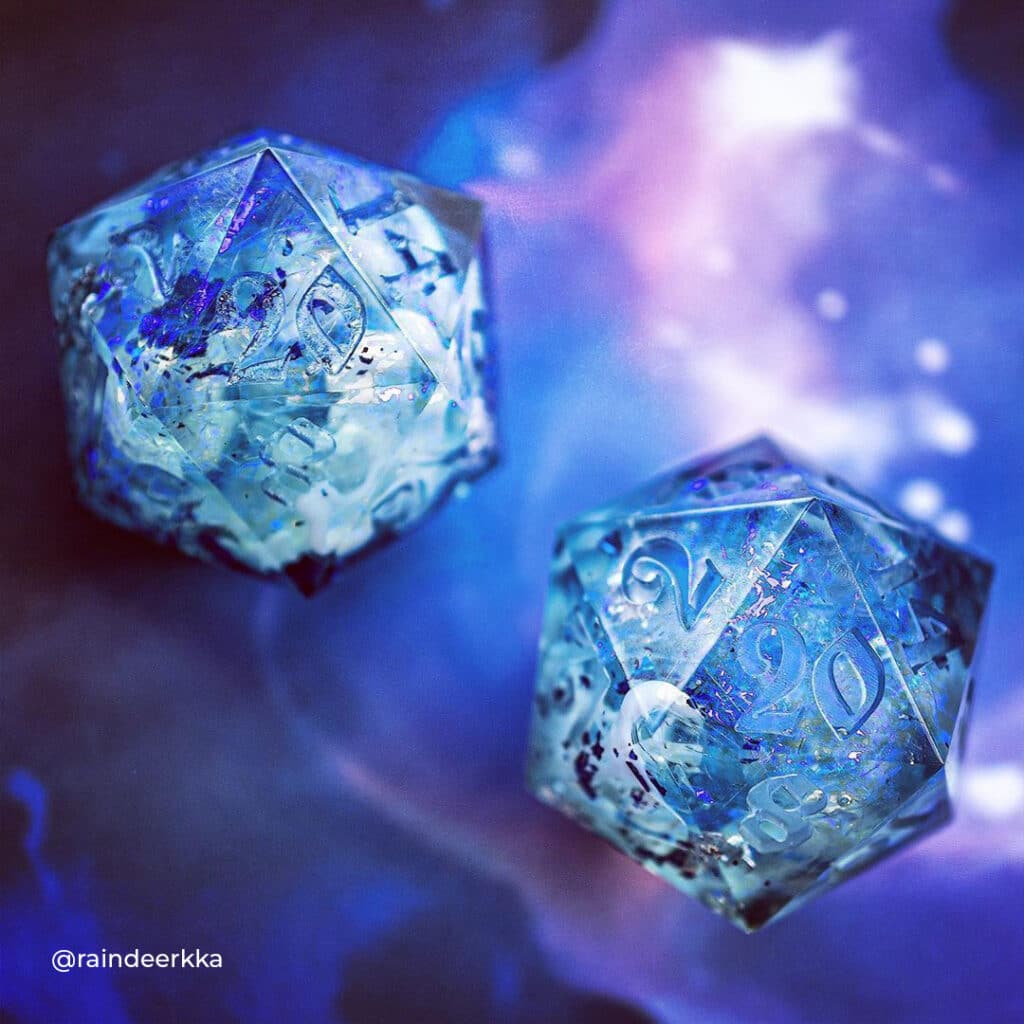
For reliable and rapid curing, always apply a suitable UV light source. Dedicated UV lamps are strongly recommended because they provide consistent and concentrated light, ensuring your resin hardens in minutes. Layer your project in thin coats if necessary, as most UV resins (like UV–Creation) perform best in layers up to 3mm. Avoid using natural sunlight for consistent results, particularly on overcast days or with deeper projects.
When This Matters
- If you’re working in low-light spaces or don’t have a UV lamp, you won’t be able to set your project at all.
- Leaving UV resin in the dark can attract dust and debris, ruining a clean finish.
- Incorrect curing can cause tackiness, stickiness, or pooling—problems easily avoided by using UV light as intended.
Related products
Related guides
Understanding UV resin’s reliance on light is crucial for successful crafting and jewellery making. For more advice on resin types, curing, and troubleshooting, explore our main page on how long resin without catalyst takes to dry.