 Free shipping on orders over £29,85
  Shipping Tracking!


 Google
 Facebook
← Back to Which catalyst is suitable for epoxy resin?
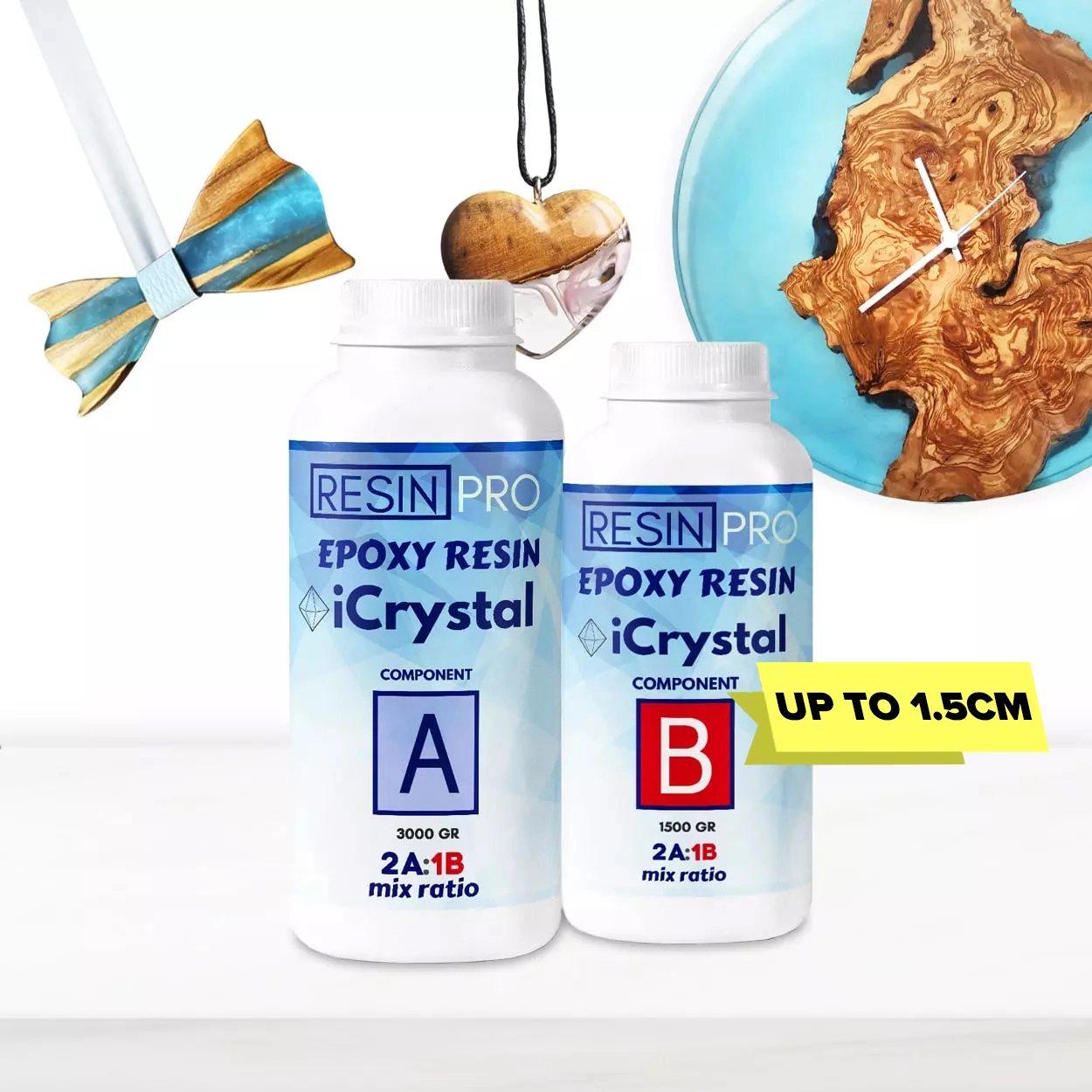
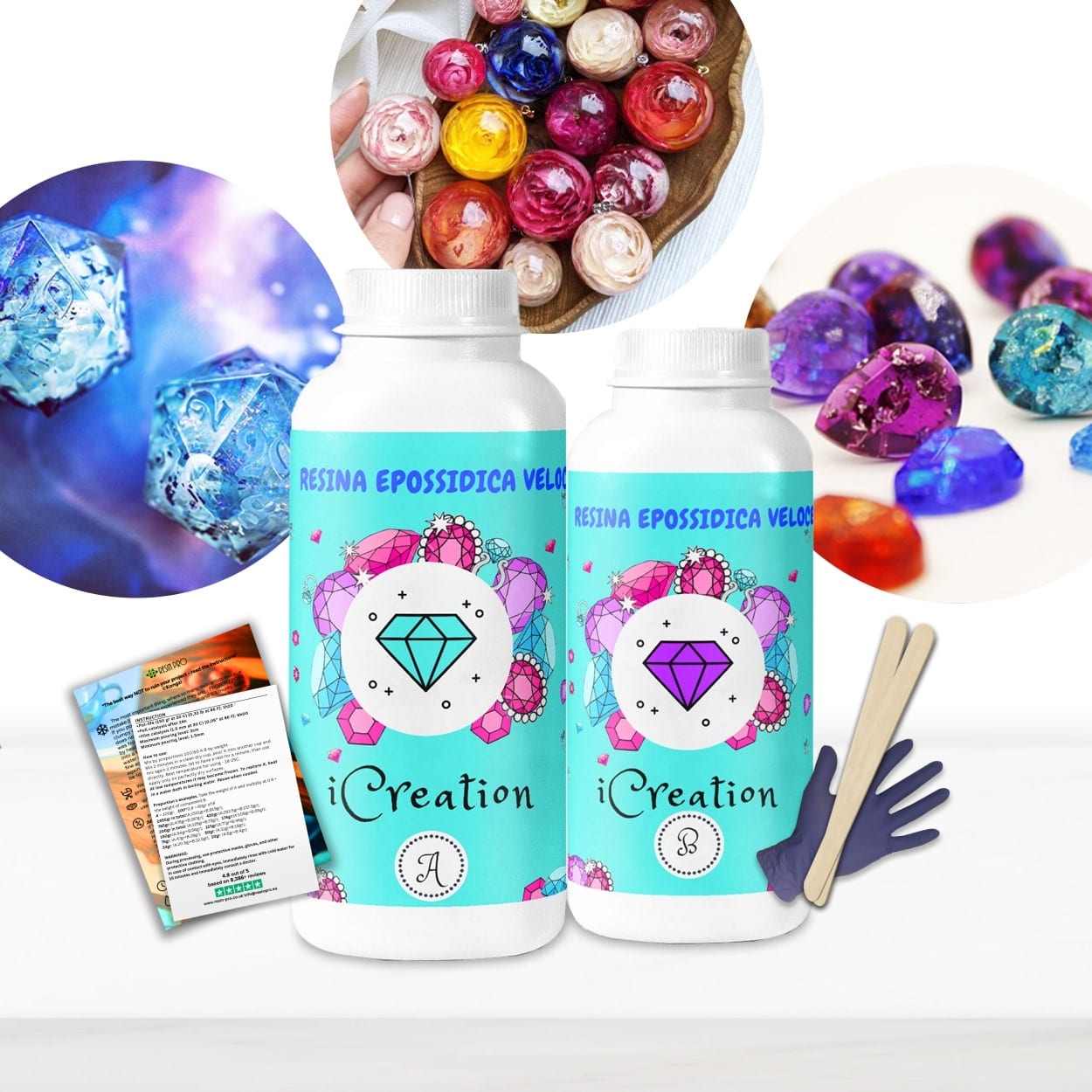
Epoxy resins are widely used for their crystal-clear finish and durability, especially in art, jewellery, and surface projects. Choosing a UV-resistant formula can help prevent yellowing or loss of clarity over time.
Understanding UV Resistance in Epoxy Resin
All standard epoxy resins are sensitive to ultraviolet (UV) light exposure, which can cause yellowing and degrade clarity over time. However, select formulations now incorporate UV filters to actively guard against these effects, keeping your projects clearer for longer.

Recommended UV-Resistant Resin Options
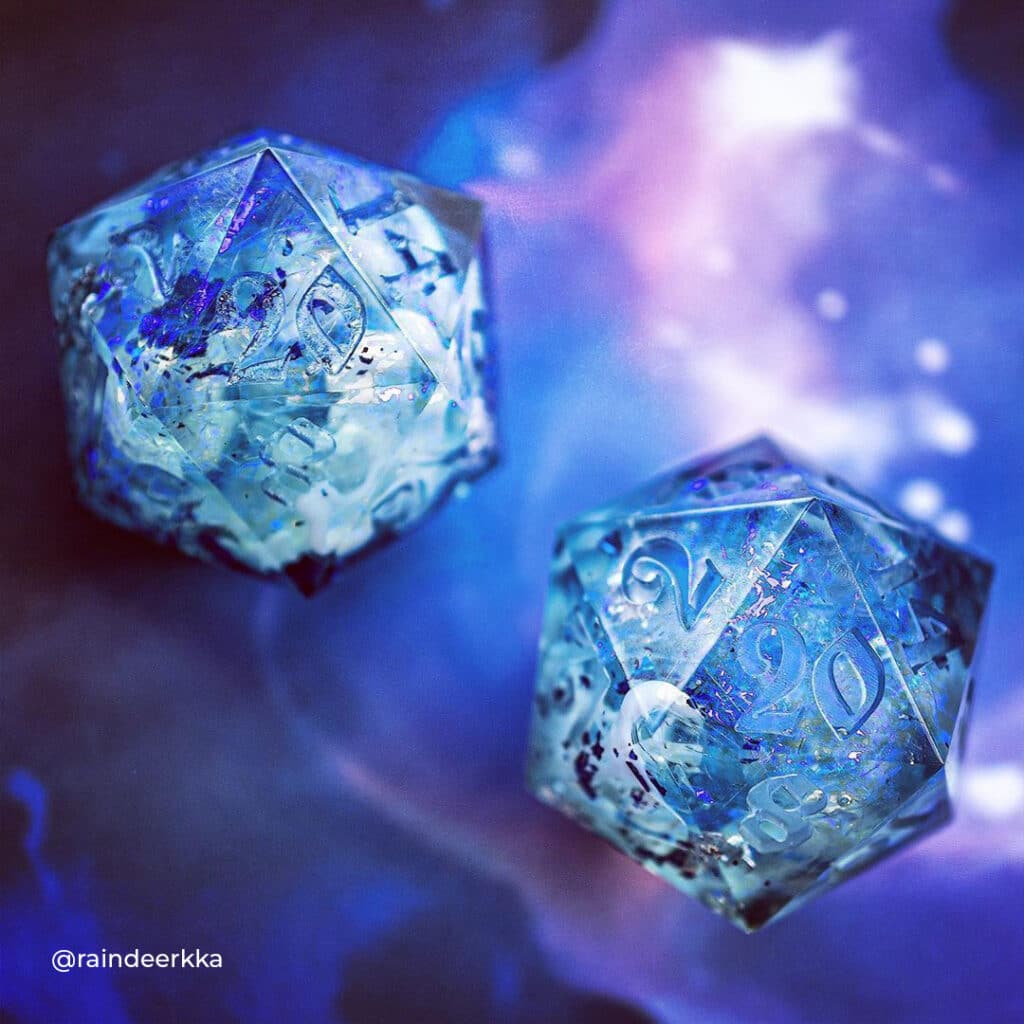
Both Icrystal and ICreation epoxy resins are specially formulated with UV filters. This feature supports clarity and transparency, making them suitable for projects displayed in well-lit or sunlit areas, such as artwork, jewellery, or surface coatings that may be exposed to natural or artificial light.
Practical Tips for Choosing and Using UV-Resistant Epoxy
- Always check the product description for mention of UV filtering or stabiliser technology.
- Apply epoxy in thin layers and allow full curing, as recommended by the manufacturer, to maximise clarity and protection.
- If your item will see long-term sunlight, even a UV-resistant resin may eventually show some change, so consider additional UV-protective topcoats if needed.
When UV Resistance Matters Most
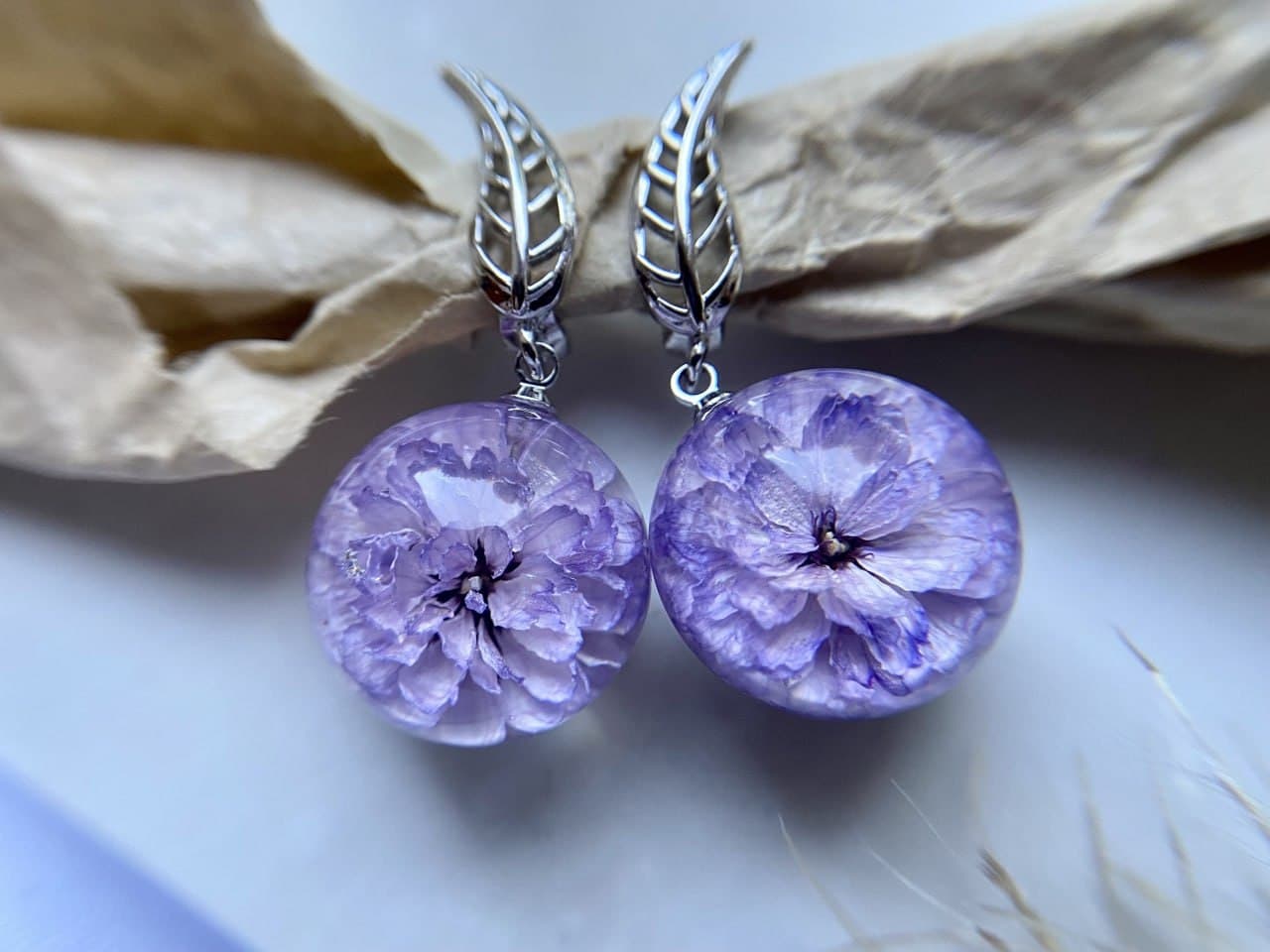
Opting for a UV-resistant epoxy is particularly important for decorative pieces, furniture coatings, jewellery, or displays in bright areas. It’s a valuable feature for artists, hobbyists, and makers who want their creations to maintain their original look over time.
Related products
Related guides
Choosing a UV-resistant epoxy resin helps ensure lasting clarity for your creative projects, especially in well-lit environments. For more details on selecting the right resin and catalyst pairings, see our main guide on epoxy resin catalysts.