 Free shipping on orders over £29,85
  Shipping Tracking!


 Google
 Facebook
← Back to How to achieve glossy and compact resin?
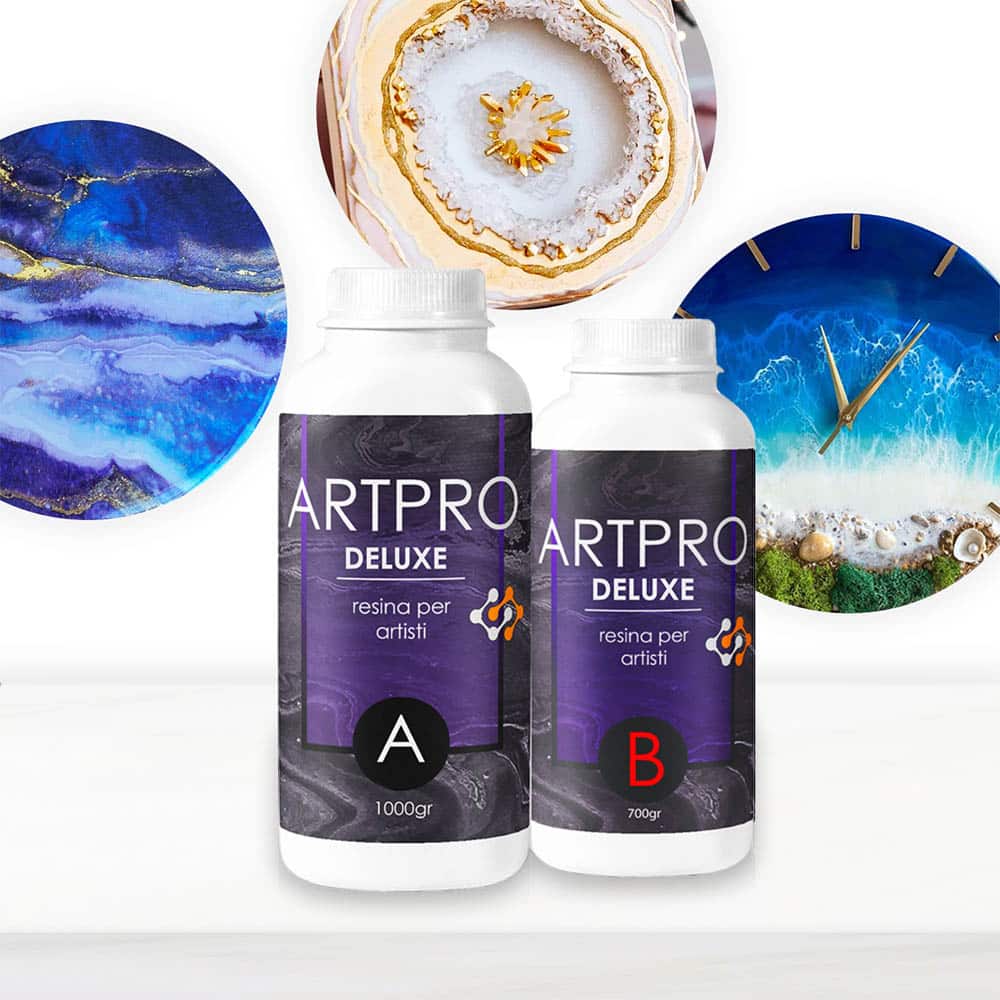
The viscosity of your resin plays a key role in how colours interact and blend during resin art. Choosing the right viscosity can determine whether your artwork boasts crisp lines or softly blended shades.
Viscosity Explained: The Basics
Viscosity describes how thick or thin a liquid is. High-viscosity resins are thicker, making them flow more slowly, while low-viscosity ones are runnier. For resin art, this trait influences how pigments move and mix across your surface.
A higher viscosity, such as found in Art Pro Deluxe, helps separate colours and maintain sharp definition—ideal for detailed designs and geode effects. Lower-viscosity resins tend to promote more merging of colours, resulting in blurred or marbled looks.
Best Practices for Crisp Designs
If your artistic vision relies on precise colour boundaries, opt for a resin with ultra-high viscosity. This reduces the risk of unwanted bleeding between hues, letting you create intricate details such as lines or layers. Pour your tinted resins gently and use tools to guide colours where you want them, taking advantage of the slow movement provided by high viscosity.
- Work on a level surface to enhance self-levelling properties.
- Avoid over-mixing pigment into your resin to keep lines distinct.
- Pour in stages if needed, allowing definitions to set before adding new colours.
When Is Viscosity Most Important?
Viscosity becomes especially crucial in projects like resin geodes, ocean wave effects, or whenever you want clear separation between colours. It allows control over the flow, which is invaluable for both beginners seeking predictable results and experienced artists chasing crisp, gallery-ready detail.
Related products
Related guides
Understanding and harnessing resin viscosity allows you to elevate your artwork. For more on crafting glossy, compact finishes, explore our full guide on how to achieve glossy and compact resin.