 Free shipping on orders over £29,85
  Shipping Tracking!


 Google
 Facebook
← Back to How does the resin come out in the bathroom corners?
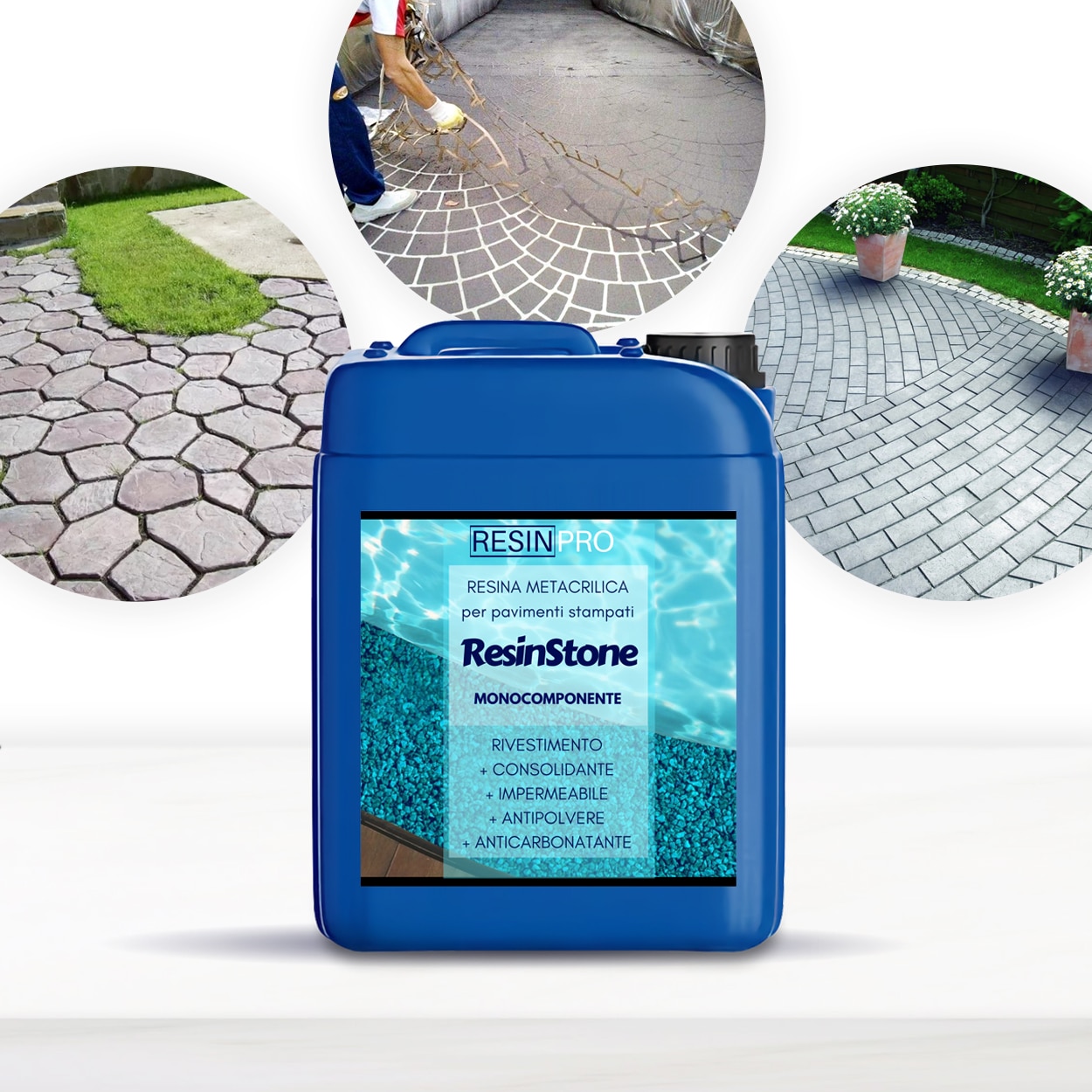

Understanding the balance between waterproof and breathable properties in resin can help you choose the most suitable solution for bathrooms, surfaces, and creative projects. Here’s what this means and how it benefits your space.
What Does Waterproof Yet Breathable Mean?
A resin is considered waterproof if it effectively blocks moisture from passing through, protecting underlying surfaces from damage. Breathable means it also allows trapped vapour to escape, avoiding problems like blistering or trapped damp below the coating. This critical balance is usually found in special formulations for surfaces prone to moisture exposure, such as bathroom corners and concrete floors.


Benefits for Bathrooms and Concrete Surfaces
Bathrooms are particularly vulnerable to condensation and water splashes, especially in corners or edges. Using a resin like Resinstone, which features both waterproofing and breathability, helps protect against long-term moisture damage. On concrete, these properties allow the natural structure to remain dry and robust, while resisting water, chemicals, and UV exposure to extend surface lifespan.
When This Matters Most
Choosing a waterproof yet breathable resin is vital if your project faces frequent temperature or humidity fluctuations, such as bathrooms, kitchens, or outdoor settings. Trapped moisture can lead to peeling or mould growth, so a resin that allows vapour to escape can help prevent these issues whilst providing excellent protection.

Related products
Related guides
Whether you’re looking to protect bathroom corners, concrete floors, or decorative surfaces, understanding waterproof and breathable resin properties is key. To explore more about resins best suited for complex areas, return to our main bathroom corners FAQ.