 Free shipping on orders over £29,85
  Shipping Tracking!


 Google
 Facebook
← Back to What is epoxy filler used for?
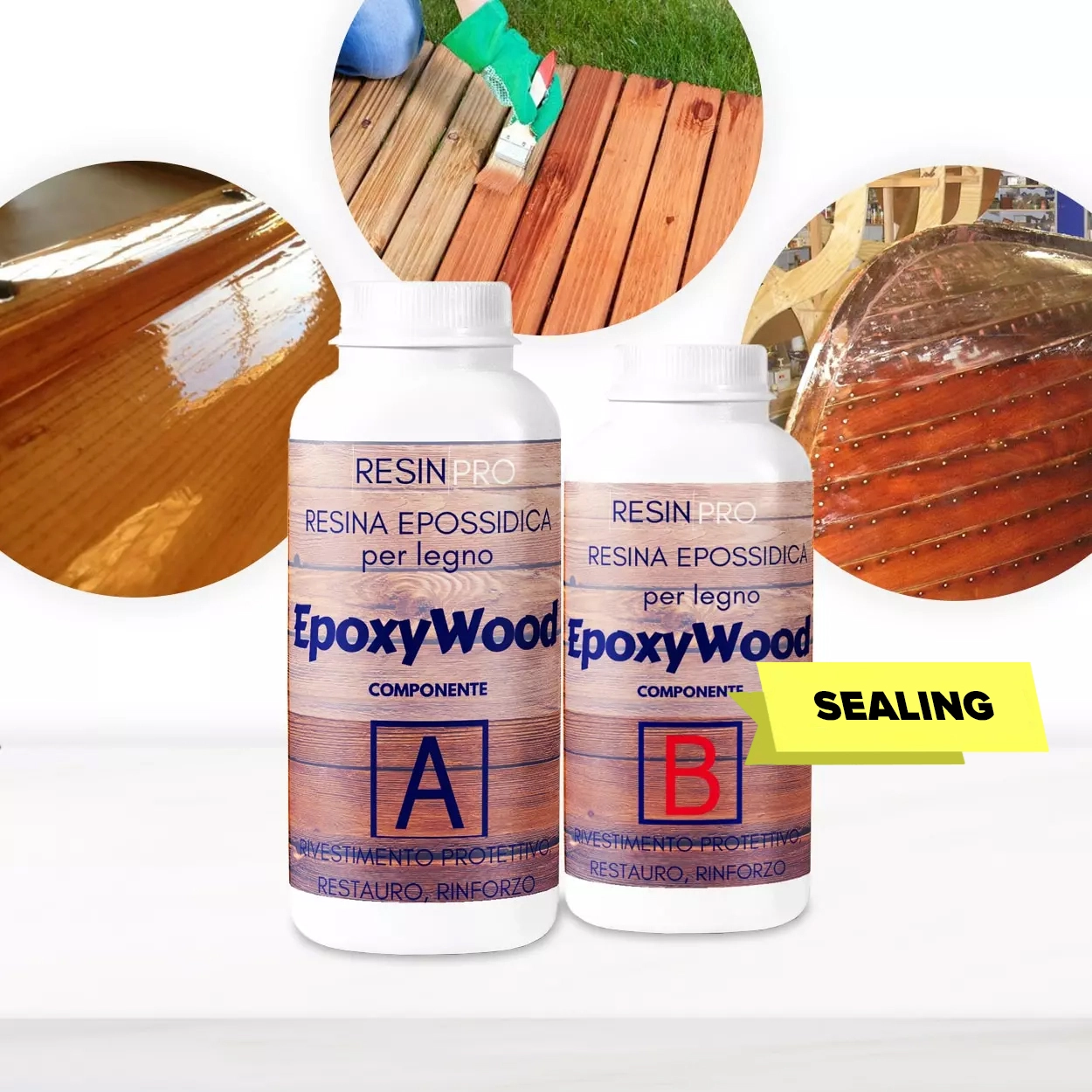
Epoxy fillers are widely chosen for achieving waterproof finishes, whether you are restoring wood, repairing stone, or tackling general household repairs. This guide explains how epoxy fillers excel for waterproofing and what to consider for the best results.
Why Epoxy is Effective for Waterproofing
Unlike ordinary fillers, epoxy resins form a dense, non-porous barrier that blocks water absorption once cured. On timber, they penetrate deep into the grain, reinforcing the structure while creating a reliable moisture barrier. For stone, metal, and cement, certain epoxy mastics adhere tightly and seal small gaps, offering further protection against moisture ingress.
How to Choose and Apply Epoxy Fillers
For wood projects, opt for an ultra-low viscosity formula such as EpoxyWood, which seeps into pores and ensures maximum waterproofing. Before application, make sure the surface is perfectly dry and well sanded. When working with stone or concrete, a thixotropic product like Magelstick gives controlled application on vertical or uneven surfaces, filling cracks without sagging. Always follow the recommended mixing ratios and avoid applying below the minimum temperature stated by the manufacturer.
When Waterproofing Really Matters
- Outdoor timber: Essential for boat hulls, wooden gates, or furniture exposed to rain.
- Stone features: Prevents water penetration into cracks or joints in patios and facades.
- Repairs in damp settings: Opt for a waterproof epoxy glue like Klebfix for quick fixes in bathrooms or near plumbing.
Related products
Related guides
Epoxy fillers stand out for their durability and watertight finish across various surfaces. For more on the advantages and specialised uses for epoxy fillers, explore our main guide: What is epoxy filler used for?.