 Free shipping on orders over £29,85
  Shipping Tracking!


 Google
 Facebook
← Back to Which resin model is best for creating seascapes?
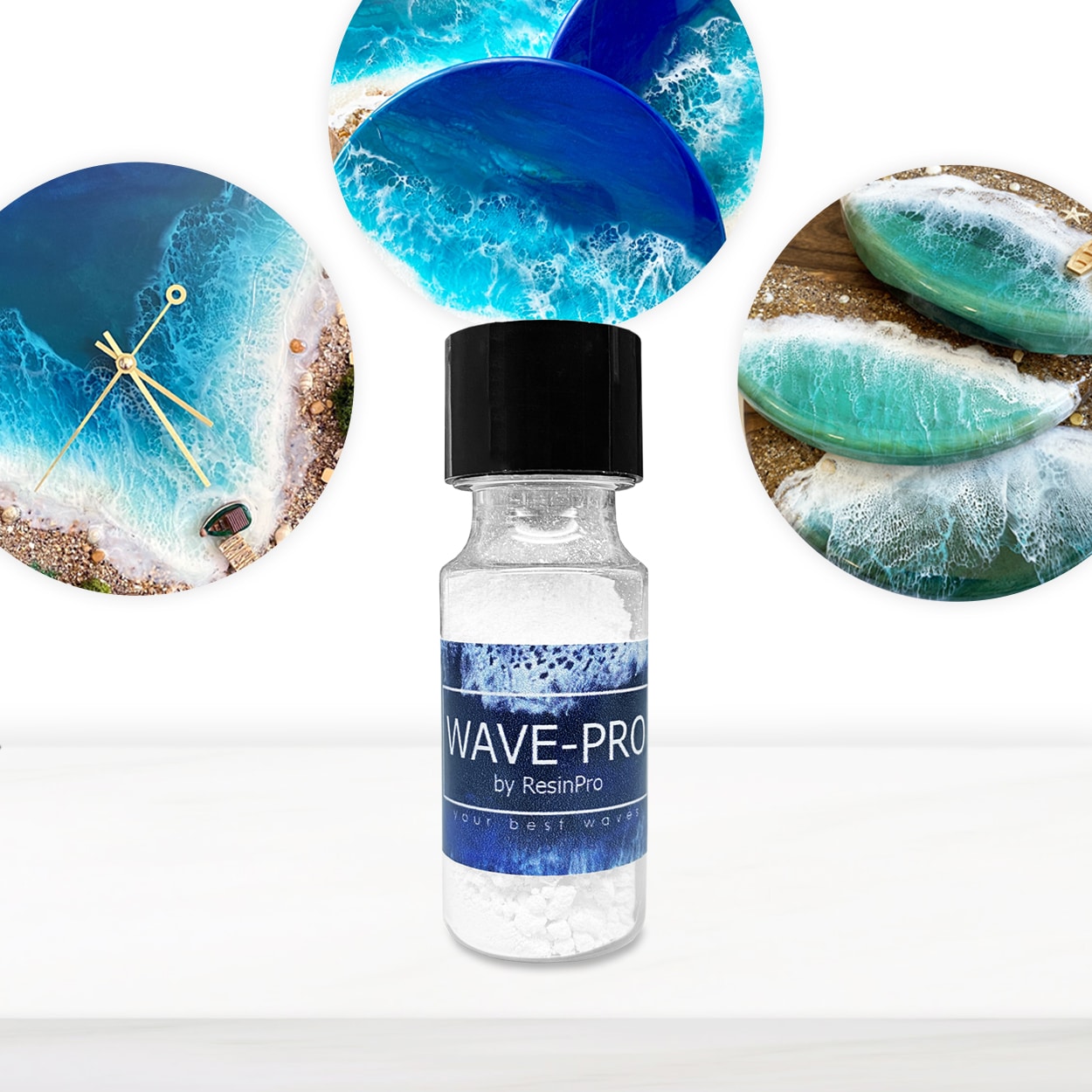
The Wave-Pro additive is popular among resin artists for crafting realistic ocean-inspired wave effects. If you are considering Wave-Pro for your next project, it’s important to know which resin types are suitable to ensure the best results and avoid common pitfalls.
Wave-Pro Compatibility: Epoxy vs UV Resins
Wave-Pro is specifically designed for use with epoxy resins. The unique reaction and visual effects you seek in seascape art rely on the physical properties of epoxy resin, which offers the correct thickness and curing behaviour. Using Wave-Pro with UV resin is not recommended—UV resins differ in consistency and curing method, which means the wave effect additive will not perform as intended and may even interfere with the finish.
Best Practices for Using Wave-Pro
To achieve the signature cell and foam effect, always add Wave-Pro powder to an epoxy resin such as those found in the “Sea” resin kit. Pour your tinted resin in layers, applying Wave-Pro for crisp wave lines and dramatic movement. Avoid combining the additive with resins that cure too thin or too fast, and stick with tested epoxy formulas for ocean art.
When This Matters: Ensuring Professional Seascape Results
If your project requires sharp, foamy waves or intricate cell effects, compatibility is crucial. Using Wave-Pro with an unsuitable resin can lead to disappointing results, including poor wave definition or lack of dispersion. For home, hobby, or professional studio use, always choose a compatible epoxy base—especially if showcasing or gifting your finished piece.
Related products
Related guides
By sticking to epoxy resins with your Wave-Pro additive, you’ll achieve the most vibrant and realistic wave effects in your seascape artwork. Explore more on creating ocean-inspired resin pieces in our main guide on seascape resin models.