 Free shipping on orders over £29,85
  Shipping Tracking!


 Google
 Facebook
← Back to How do you polish resin creations?
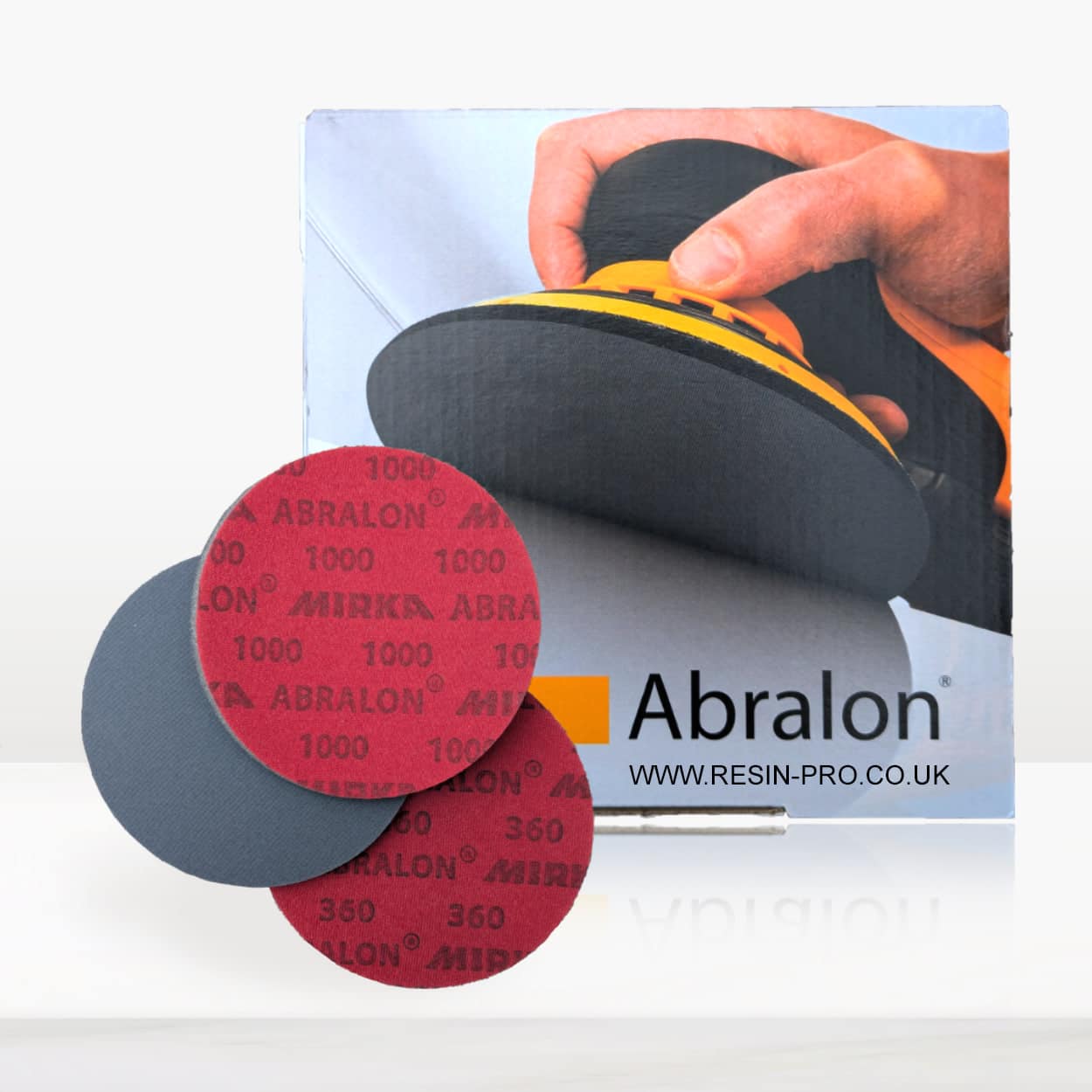
Wet sanding is a vital step in the finishing process of resin creations, helping you achieve a smooth surface by preventing deep scratches and excessive heat build-up.
How Wet Sanding Works
Unlike dry sanding, wet sanding involves the use of water as a lubricant while working through abrasive grits. The water helps wash away resin dust and abrasive particles, which minimises the risk of larger scratches being dragged across the surface. Additionally, the water absorbs heat generated by friction, making it far less likely for the resin to become soft or develop heat marks.
Practical Guidance for Wet Sanding Resin
Start with a moderate grit such as 360 or 400, using specialised pads like the Ebonite Abralon Sanding Pads, and gradually progress to finer grains for a flawless finish. Dip the sanding pad in clean water and keep both the pad and resin surface damp throughout. Rinse frequently to remove debris, and take your time to avoid accidentally creating uneven spots or scratches.
When This Matters Most
- Delicate finishes: Prevents visible scratch patterns on clear or glossy resin surfaces.
- Extended sanding sessions: Reduces the risk of overheating, which is especially important when using power tools for larger pieces.
Related products
Related guides
Mastering wet sanding is essential for anyone polishing resin creations, ensuring a professional, scratch-free result. For more guidance on refinishing, see our main advice on how to polish resin creations.