 Free shipping on orders over £29,85
  Shipping Tracking!


 Google
 Facebook
← Back to What is the hardening phase of resin called?
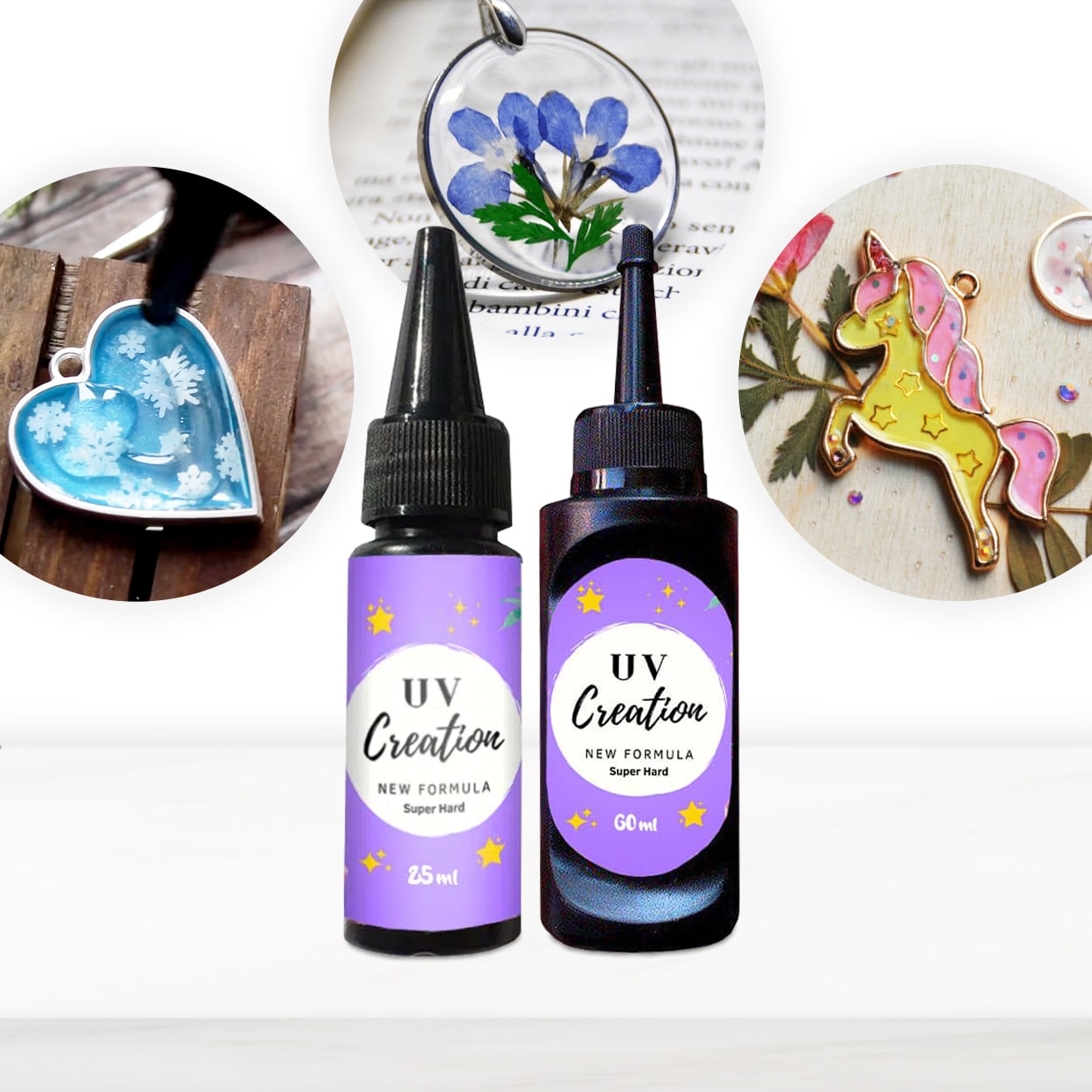
Understanding what affects resin curing time is essential for achieving professional, bubble-free results. Whether you’re working with UV resin or a two-part epoxy, the speed and quality of the cure can make all the difference.
Resin Type Makes a Difference
The kind of resin you use dramatically impacts curing speed. UV resins, such as “UV–Creation” Fast Acrylic Resin, are formulated to harden within minutes under a UV lamp, making them ideal for time-sensitive projects. In contrast, standard epoxy resins generally require several hours, though fast-curing versions like “ICreation” Fast Epoxy Resin can reduce waiting times to as little as six hours for demoulding.
Environmental Conditions and Equipment
Temperature and humidity play a crucial role. Warmer rooms speed up the hardening, while cooler settings can slow things down. For UV-cured resins, the strength and coverage of your light source is key. A dedicated lamp like the 380W UV Lamp with Automatic Sensors ensures consistent, even curing, reducing the risks of soft spots or tacky finishes.
Mixing Ratios and Application Tips
For two-part resins, carefully measure and mix each component as directed—incorrect ratios often result in incomplete cure or excess waiting time. Always stir slowly to avoid air bubbles, and pour in thin layers to promote even curing. When using UV resin, avoid overfilling moulds for the best results.
When This Matters Most
- Working to a deadline or requiring quick project turnaround
- Creating layered effects or intricate details that need staged curing
- Ensuring durable, non-tacky finishes for jewellery or craft pieces
Related products
Related guides
By understanding the main factors affecting resin curing times, you can select the right products and create beautiful, hassle-free pieces. Learn more about resin hardening phases and tips on our parent FAQ guide.