 Free shipping on orders over £29,85
  Shipping Tracking!


 Google
 Facebook
← Back to At what temperature does resin crystallise?
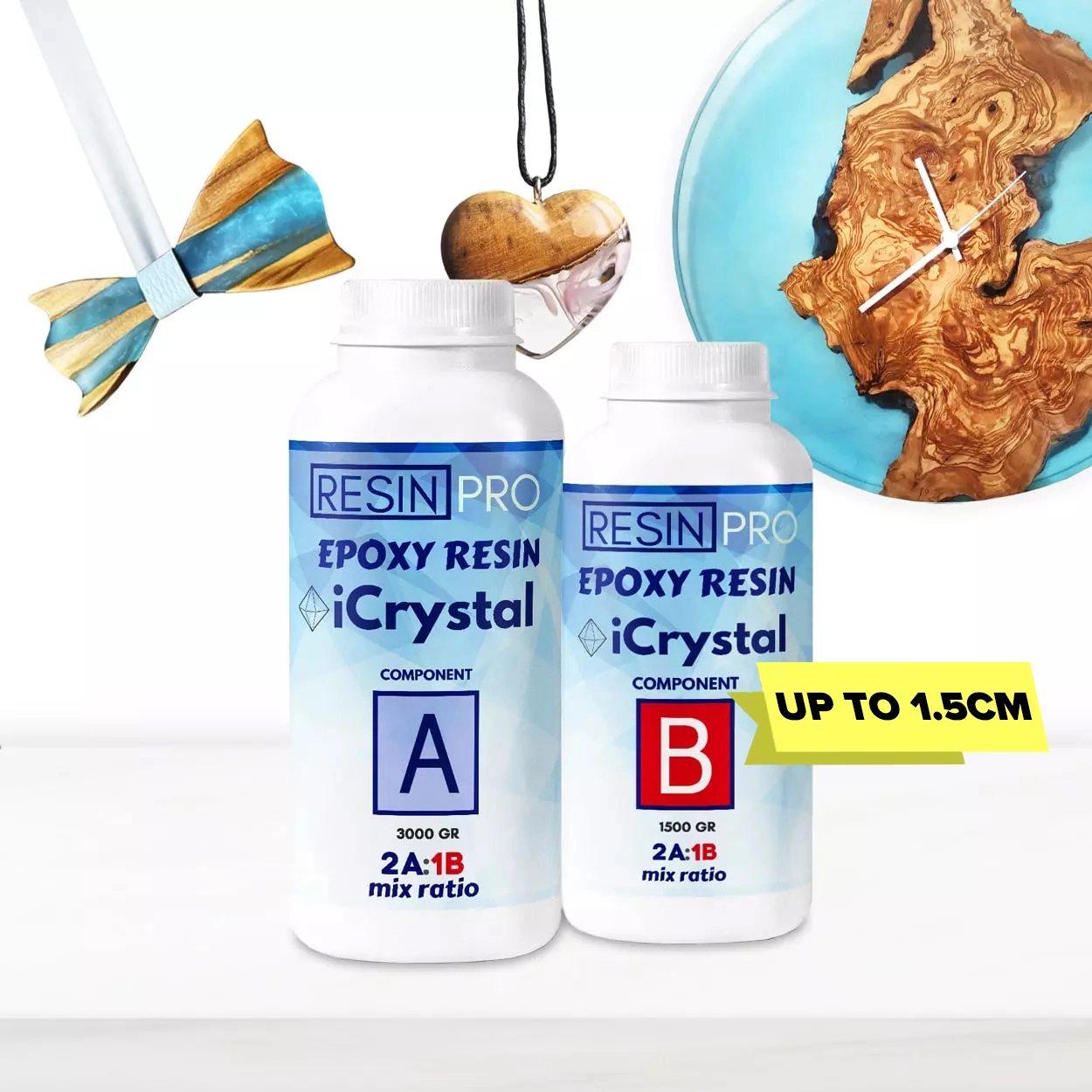
Resin crystallisation can be a frustrating setback, potentially affecting clarity and workability. Understanding the causes and adopting careful handling practices will help keep your projects smooth and trouble-free.
Why Does Resin Crystallise?
Crystallisation in epoxy resin most often occurs due to storage at lower temperatures or exposure to sudden temperature changes. When resins are kept below 15°C, or when they are subjected to rapid cooling, the ingredients can gradually form visible crystals that appear as a cloudy or grainy texture. This process is physical rather than chemical, and in most cases reversible if addressed early.
- Storage at temperatures under 15°C
- Frequent or sudden temperature fluctuations
- Prolonged exposure to cold conditions
How to Prevent Crystallisation
The simplest prevention method is to always store your resin within the manufacturer’s recommended temperature range, ideally above 15°C. If a crystallised appearance develops, gently warming the sealed container in hot (not boiling) water can help dissolve crystals. For best results, work in an environment with stable temperatures. Products such as ICrystal Clear Epoxy Resin are formulated for reliable clarity but still benefit from these guidelines.
- Keep resins away from freezing or unheated spaces
- Allow resin to reach room temperature before use
- Follow any manufacturer-specific storage and usage advice
When This Matters Most
Crystallisation particularly matters for artists, woodworkers, and anyone using epoxy in decorative or functional surfaces, where resin clarity and a flawless finish are crucial. It’s also a key consideration when working with deeper pour resins or in unheated workshops during colder months.
Related products
Related guides
By understanding the sources of crystallisation and following careful storage and handling, you can keep your resin ready for flawless pours. For more information on temperature and resin stability, visit our main guide on resin crystallisation temperatures.