 Free shipping on orders over £29,85
  Shipping Tracking!


 Google
 Facebook
What does a naval resin applicator do?
Understanding essential tools and resins for marine applications


If you are involved in the maintenance, restoration, or construction of boats and marine structures, understanding the role of a naval resin applicator is vital. This guide explains the main duties, essential products, and specialist tools used in the careful application of epoxy resins within naval and marine settings. Whether you are a professional craftsman or a dedicated DIY enthusiast, this page helps you choose the right resins and applicators for precision and lasting marine repairs.
Key Functions and Tools in Naval Resin Application
Naval resin applicators play a crucial role in protecting, waterproofing, and reinforcing marine surfaces, particularly wooden and fibreglass boat hulls. Their job involves selecting specialist epoxy resins suited to harsh marine environments and applying them with precision tools to ensure durable, even, and aesthetically pleasing results. Commonly used products include deep-penetrating wood restoration epoxies and a variety of application tools such as rollers, spatulas, and brushes. The right equipment determines the quality of marine repairs and how well surfaces stand up to water, weather, and time.
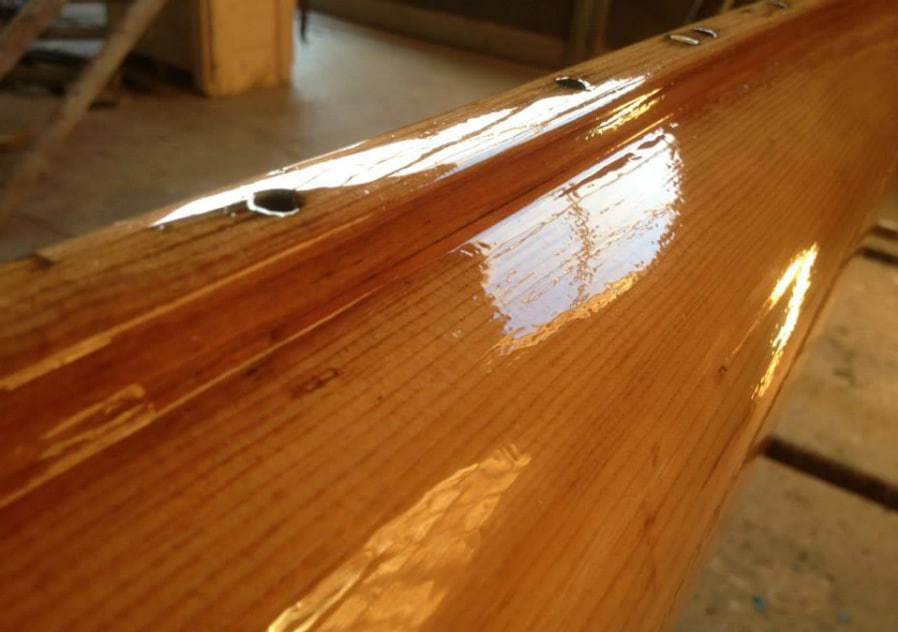
Naval Resin Application in Action
Expert applicators use deep-penetrating resins and precise tools to restore and waterproof boat hulls and marine woodwork. Watch as they transform damaged surfaces into watertight, visually appealing finishes, ensuring extended vessel longevity even in challenging sea conditions.
“EpoxyWood” – Wood Restoration Epoxy Resin for Deep Penetration and Waterproofing
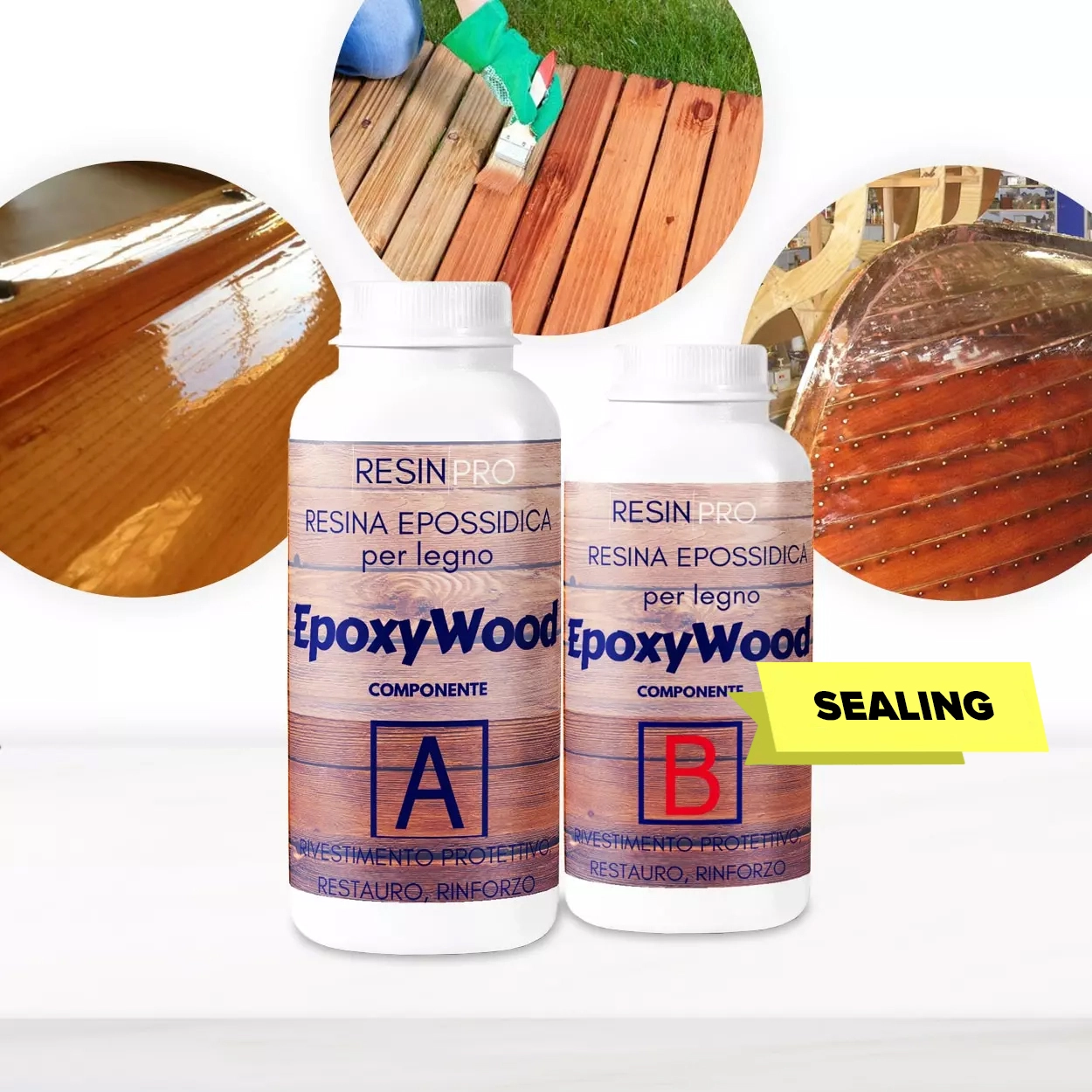
EpoxyWood – Wood Restoration Epoxy Resin for Deep Penetration and Waterproofing is expertly designed for naval resin applications on wooden structures and boat hulls. Its ultra-low viscosity means it seeps deep into wood grains, reinforcing and waterproofing the substrate from within. This not only prevents future rot but also results in a warm, straw-yellow tint that enhances the boat’s natural timber. With a solvent-free, vegan formulation, it is both effective and environmentally conscious. To maximise performance, ensure surfaces are dry and sanded before use.
Resin & Paint Application Rollers – Short-Pile, Large, and Sponge Types
Resin & Paint Application Rollers – Short-Pile, Large, and Sponge Types are critical tools for achieving uniform resin coatings on marine and naval surfaces. Short-pile rollers provide precision on edges and smaller areas, large rollers make quick work of broad decks or hull panels, and sponge rollers aid in creating a self-levelling, bubble-free finish. Selecting the right roller for the task ensures a smooth and even resin application, vital for marine protection.
Tooth Shaped Spatula for Epoxy Resin Application
The Tooth Shaped Spatula for Epoxy Resin Application features a unique notched design, giving professionals and hobbyists alike the ability to spread resin across large and small surfaces with consistent thickness. This tool is indispensable for minimising defects like bubbles or uneven layers, especially when applying resin to large wooden areas in marine settings. Its versatility extends to detailed projects and complex shapes often found on boat interiors.
Reusable Silicone Resin Brush for Epoxy Art and Wood Applications
For detailed work or tight corners, the Reusable Silicone Resin Brush for Epoxy Art and Wood Applications is a must-have. This brush delivers smooth, precise resin application and is easy to clean for repeated use. Ideal for touch-ups, edges, or custom features on marine builds, its silicone construction supports sustainable practices by reducing tool waste on each project.
Choosing the Right Tools and Techniques for Marine Projects
Different marine tasks demand different approaches. For extensive wood restoration, opt for an epoxy resin designed specifically for penetration and durability, such as EpoxyWood. Pairing the resin with an appropriate tool—rollers for broad surfaces, spatulas for uniform coats, and silicone brushes for delicate detailing—ensures a flawless result. Correct surface prep, dry conditions, and mindful application methods are all integral to achieving a watertight, durable finish fit for challenging environments. For a broader choice, visit our Multipurpose epoxy resins or explore Accessories for Resin for supplementary tools.
Professional Tips for Marine Epoxy Projects
For best results: always prepare wooden surfaces thoroughly by sanding and drying before resin application. Use rollers for expansive hulls, spatulas for uniform coatings, and silicone brushes for tricky details. Avoid working in damp environments to ensure optimal adhesion and curing.
- "EpoxyWood" – Wood Restoration Epoxy Resin for Deep Penetration and WaterproofingPrice range: £27.95 through £41.95"EpoxyWood" is a solvent-free epoxy resin designed for deep wood penetration and waterproofing, suitable for wood repairs and marine use.
- Resin & Paint Application Rollers – Short-Pile, Large, and Sponge TypesPrice range: £3.62 through £5.09Rollers designed for epoxy resin applications, suitable for precision and uniform coverage on resin surfaces.
 Tooth Shaped Spatula for Epoxy Resin Application£3.45Tooth Shaped Spatula designed for precise resin application with a notched edge for smooth, even results on various surfaces.
 Reusable Silicone Resin Brush for Epoxy Art and Wood Applications£3.62This silicone brush suits resin enthusiasts and artists for smooth resin application and easy cleaning.
Frequently Asked Questions
How do I choose the best epoxy resin for marine repair?
Select a resin designed for deep penetration and waterproofing, like EpoxyWood, for durable marine restorations.
What are the best tools for applying epoxy on boats?
Use a combination of rollers, notched spatulas, and silicone brushes to ensure even, professional resin application.
Why use a silicone brush for epoxy art or marine work?
A silicone brush provides precise application, is easy to clean, and reduces waste compared to single-use tools.
How can I prevent bubbles in my epoxy marine coating?
Apply resin slowly with notched spatulas and sponge rollers, and ensure the surface is dust-free and dry before starting.
When should I use a short-pile vs. large roller?
Short-pile rollers are ideal for edges and detailed work, while large rollers suit quick coverage of bigger marine surfaces.
Can EpoxyWood be used on fibreglass surfaces?
Yes, EpoxyWood is suitable for reinforcing and waterproofing both wood and fibreglass in marine settings.