 Free shipping on orders over £29,85
  Shipping Tracking!


 Google
 Facebook
What does the bee produce with resin?
Understanding bees’ creations and natural wood care uses
Curious about the fascinating world of bees and how their natural products combine with resins? This page explains what bees produce with resin and explores how these creations are expertly used in wood and resin finishing, such as with natural beeswax polish. If you’re interested in nature-inspired wood care or epoxy resin projects, you’ll find detailed comparisons and recommendations here.
Understanding What Bees Create with Resin
Bees, especially honeybees, collect plant resins and transform them into a substance called propolis. Propolis consists of resin, beeswax, and essential oils and is used by bees to seal and protect their hives. While not the same as pure beeswax, the combination of beeswax and resin in nature has inspired products for treating and protecting wood and resin surfaces. In woodworking and resin art, beeswax-based polishes are valued for their nourishing and protective properties, creating a natural, lasting finish that preserves the character of both wood and epoxy creations.
How Bees Use Resins in Nature
Bees collect resins from tree buds and bark to create propolis, a natural sealant and antimicrobial agent for their hives. This process protects their home from intruders and environmental threats while inspiring natural care products we use today.
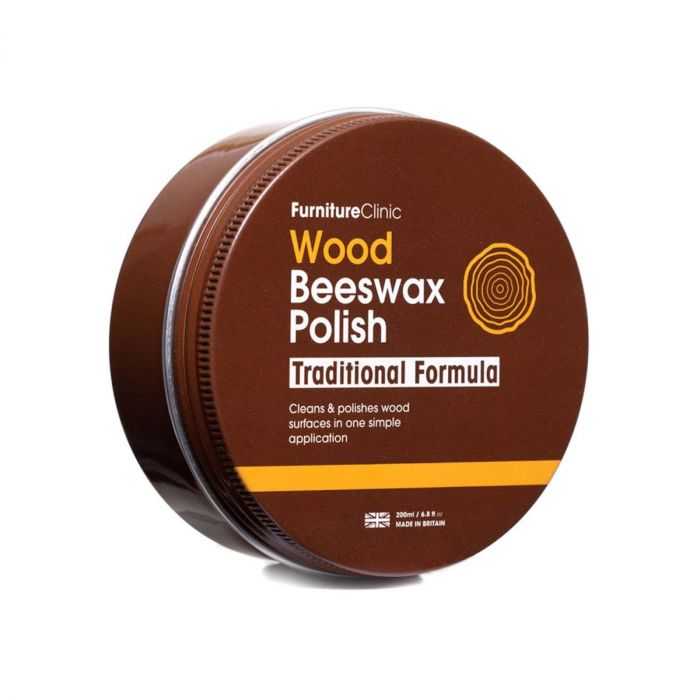
Beeswax Wood Polish 200ml Natural Formula for Wood and Epoxy Resin
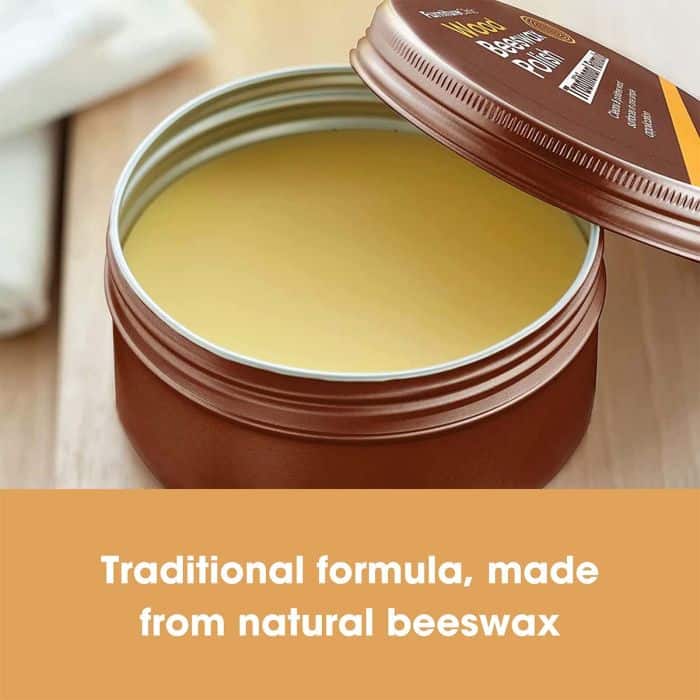
If you’re seeking a way to harness the benefits of traditional beeswax and resin combinations, Beeswax Wood Polish 200ml Natural Formula for Wood and Epoxy Resin is an excellent choice. This natural blend is ideal for maintaining wood and epoxy resin surfaces, providing lasting gloss and gentle nourishment. Whether working with antique wood or contemporary resin projects, this polish helps to preserve and enhance your surfaces without the use of harsh chemicals.
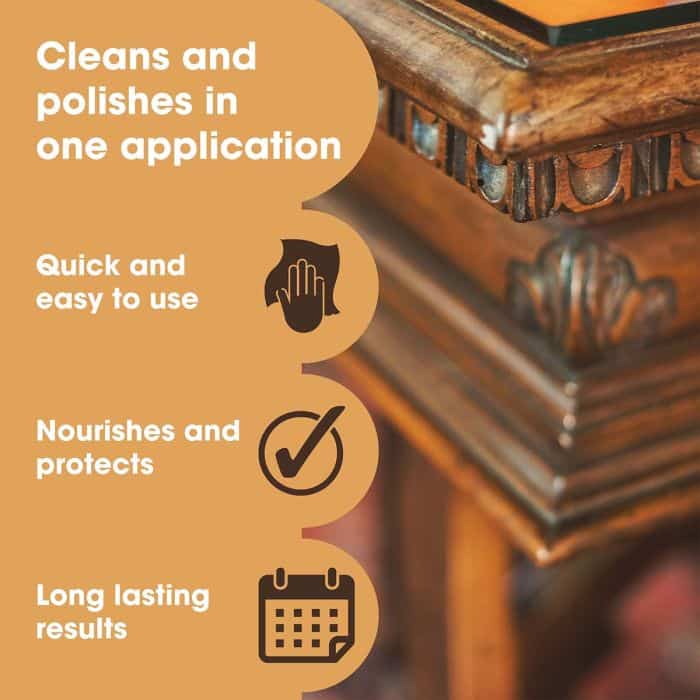
- Made from a traditional beeswax blend with natural ingredients
- Provides an instant and lasting gloss on wood surfaces
- Suitable for use on modern and antique woods including Beech, Mahogany, and Oak
- Protecting and nourishing bare or finished wood
- Use with epoxy resin projects
- Restoring minor scratches on wood surfaces
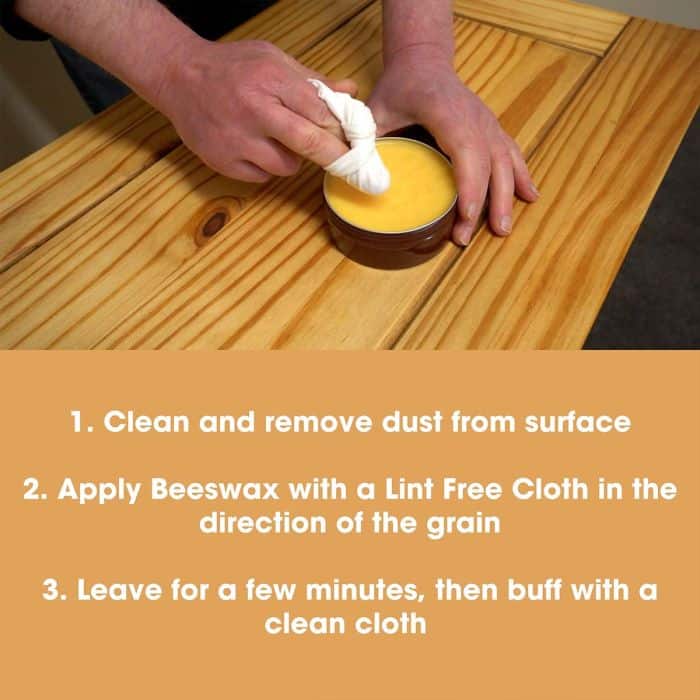
For those involved in sanding and polishing of wood and resin, this polish is easy to apply and helps maintain beauty and longevity. Keep in mind, it’s designed for nourishing and superficial restoration—not for deep damage repair beyond minor scratches.
Natural Benefits for Wood and Resin Projects
In both traditional woodworking and contemporary resin art, natural beeswax polishes inspired by the products of bees offer unique advantages. These formulations are safe, eco-friendly, and enhance the natural appearance of wood while providing protection against moisture and everyday wear. They also create a subtle sheen that complements epoxy resin finishes, making them a preferred option for anyone looking to ensure a durable and attractive result in their craft or restoration projects.
Beeswax and Resin Polishes in Modern Use
Modern beeswax wood polishes draw from natural bee resins and waxes to offer gentle, effective care for a variety of wood and epoxy resin surfaces, blending eco-consciousness with time-tested results.
Frequently Asked Questions
What is propolis and how do bees make it?
Propolis is a mix of plant resins and beeswax collected and transformed by bees to seal and protect their hives.
Can beeswax polish be used on epoxy resin surfaces?
Yes, it gives epoxy resin surfaces a lasting gloss and enhances the appearance of wooden elements.
Why use beeswax wood polish on wood and resin surfaces?
It nourishes, protects, and helps restore surfaces while adding a natural sheen without harsh chemicals.
How often should beeswax polish be applied to wood and resin surfaces?
Apply every few months or as needed to maintain lustre and surface protection.
Is beeswax wood polish environmentally friendly?
Yes, it typically contains natural ingredients and avoids harsh chemicals, making it more sustainable.