 Free shipping on orders over £29,85
  Shipping Tracking!


 Google
 Facebook
← Back to Which milling cutters are best for finishing soft resin?
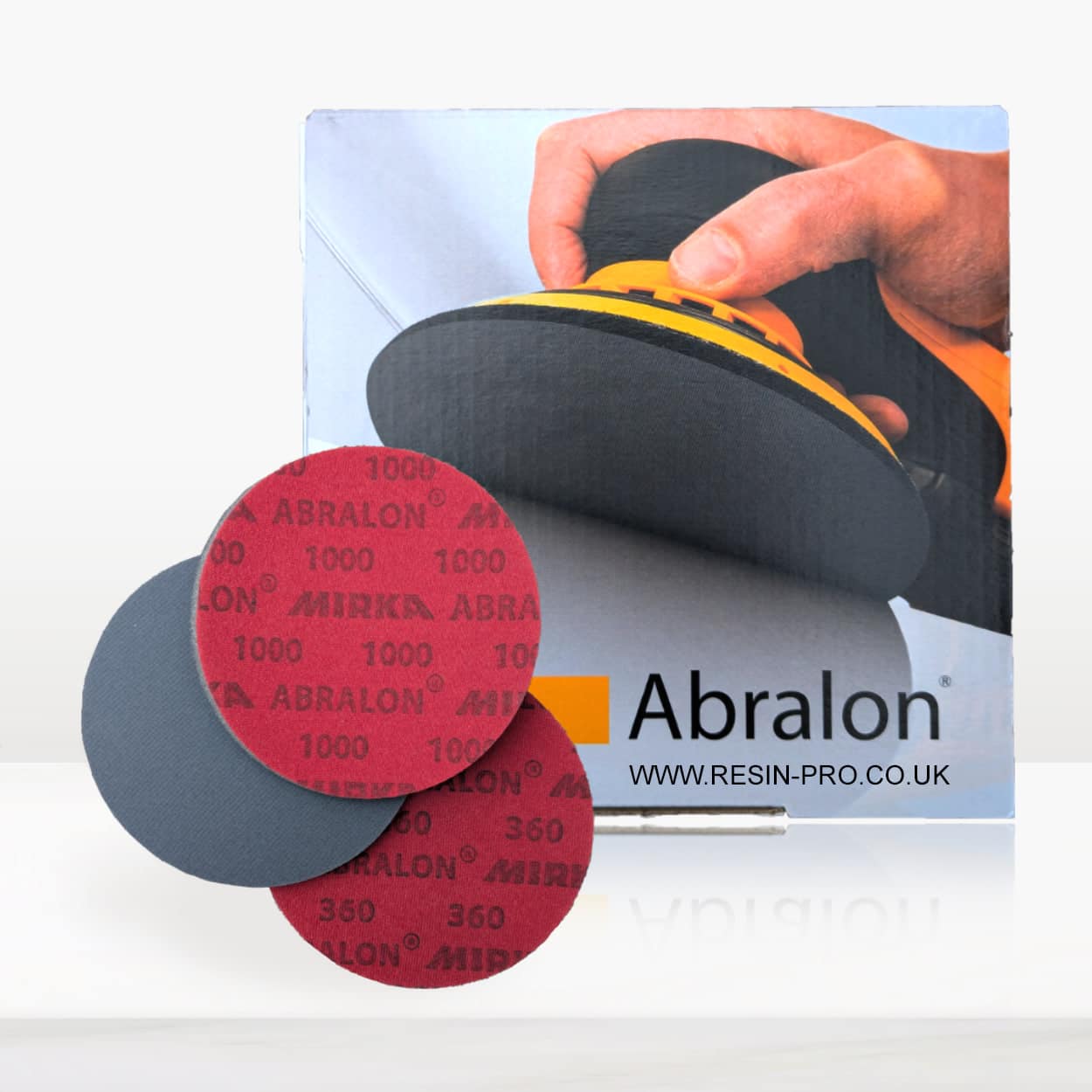
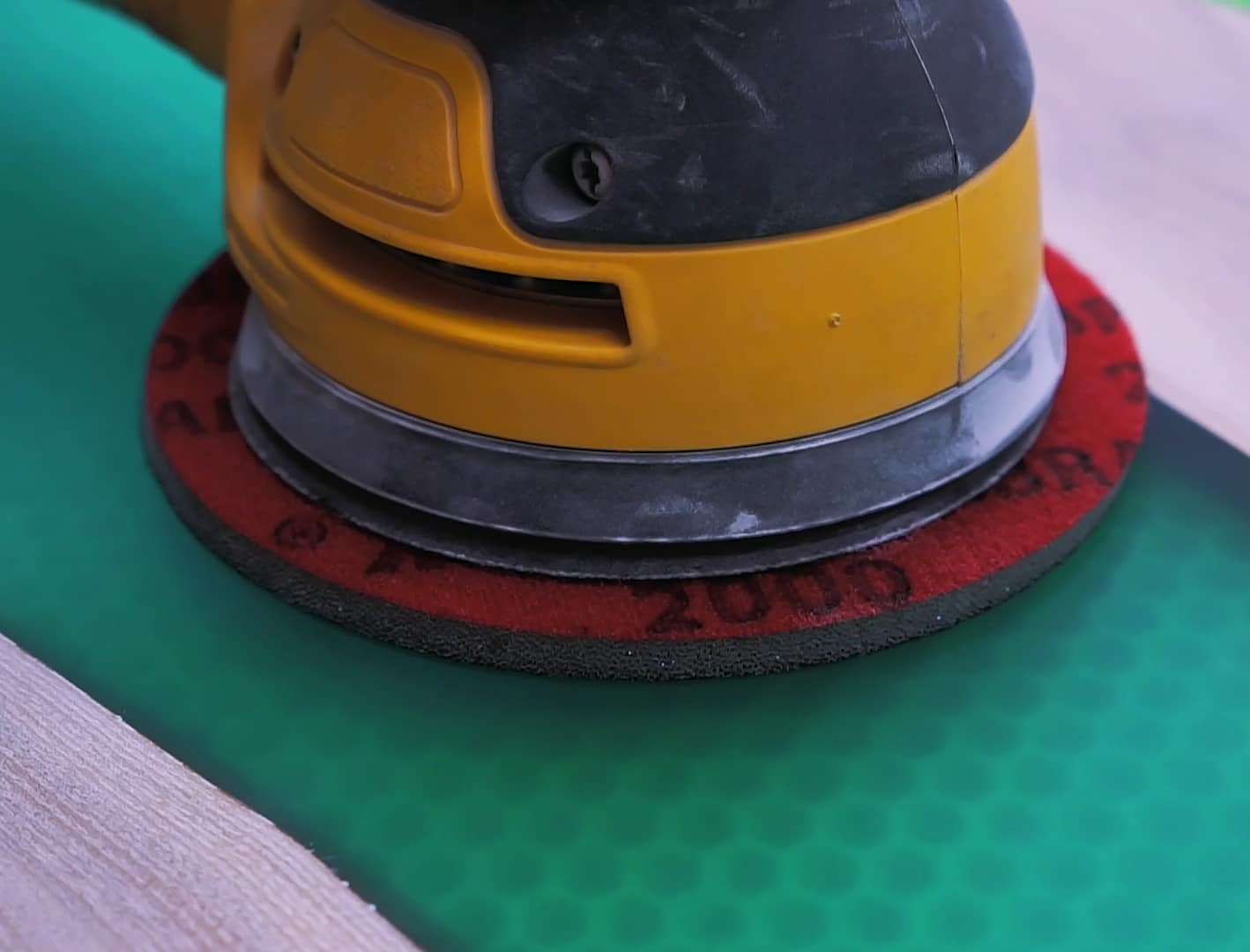
Getting a smooth, professional finish on soft resin requires the right combination of preparation and polishing tools. Using proper equipment ensures the best clarity and a refined appearance, whether you are working on artwork, jewellery, or furniture.
Step-by-Step Equipment Checklist
- Sanding pads or discs: Start with sanding pads such as the Ebonite Abralon Sanding Pads in progressively finer grits. These are designed for resin and allow you to control the level of smoothness as you work through from initial sanding to pre-polish.
- Polishing sponge discs: After sanding, attach a polishing sponge disc to your tool. These help achieve a brilliant, streak-free shine on epoxy resin surfaces.
- Polisher (or hand pad holder): For larger or flat pieces, a variable speed polisher like the 1200W Polisher gives control and speed to bring out gloss. For smaller projects, a manual pad holder is suitable to maintain detail and avoid over-polishing.
Choosing the Right Tools for Your Resin Project
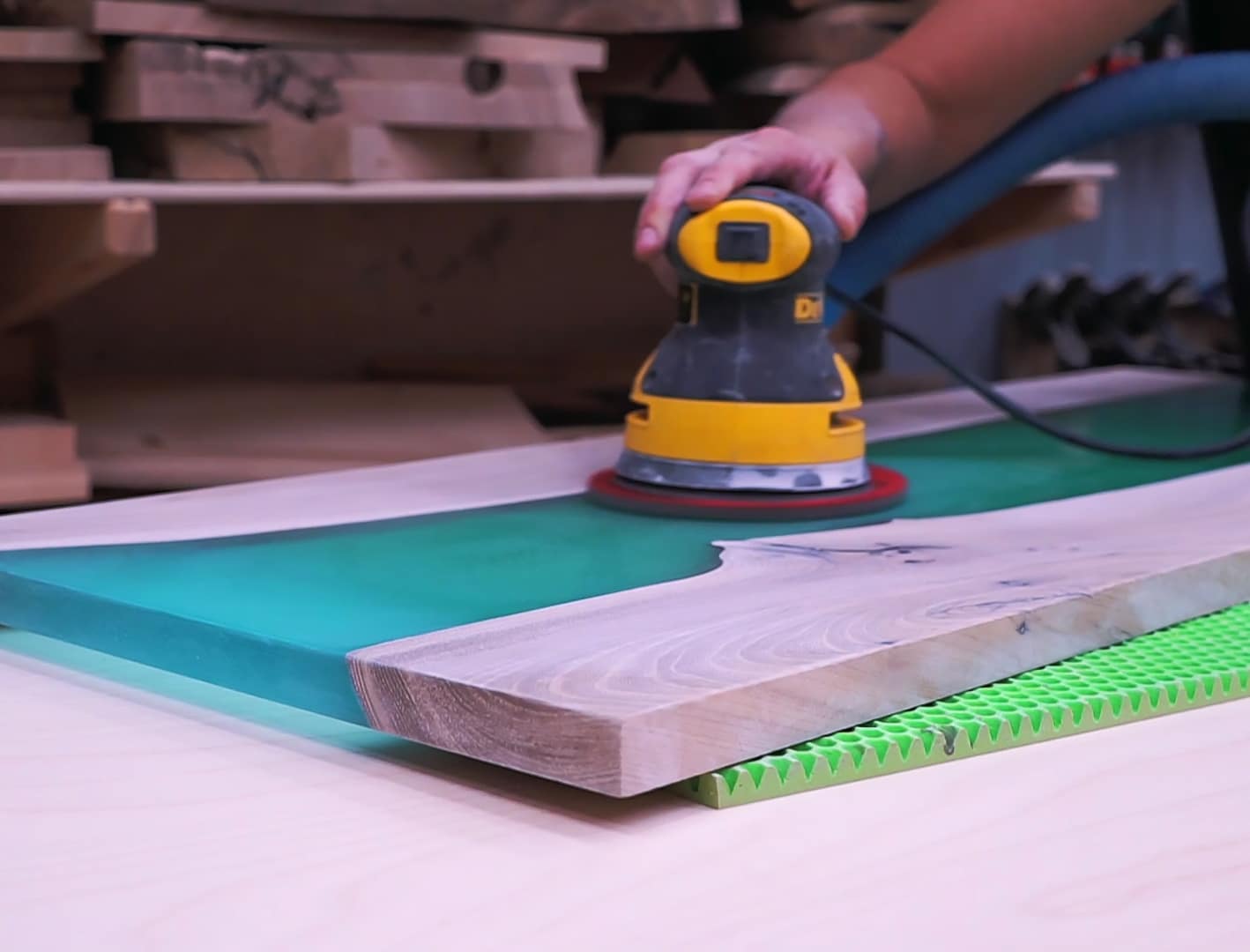
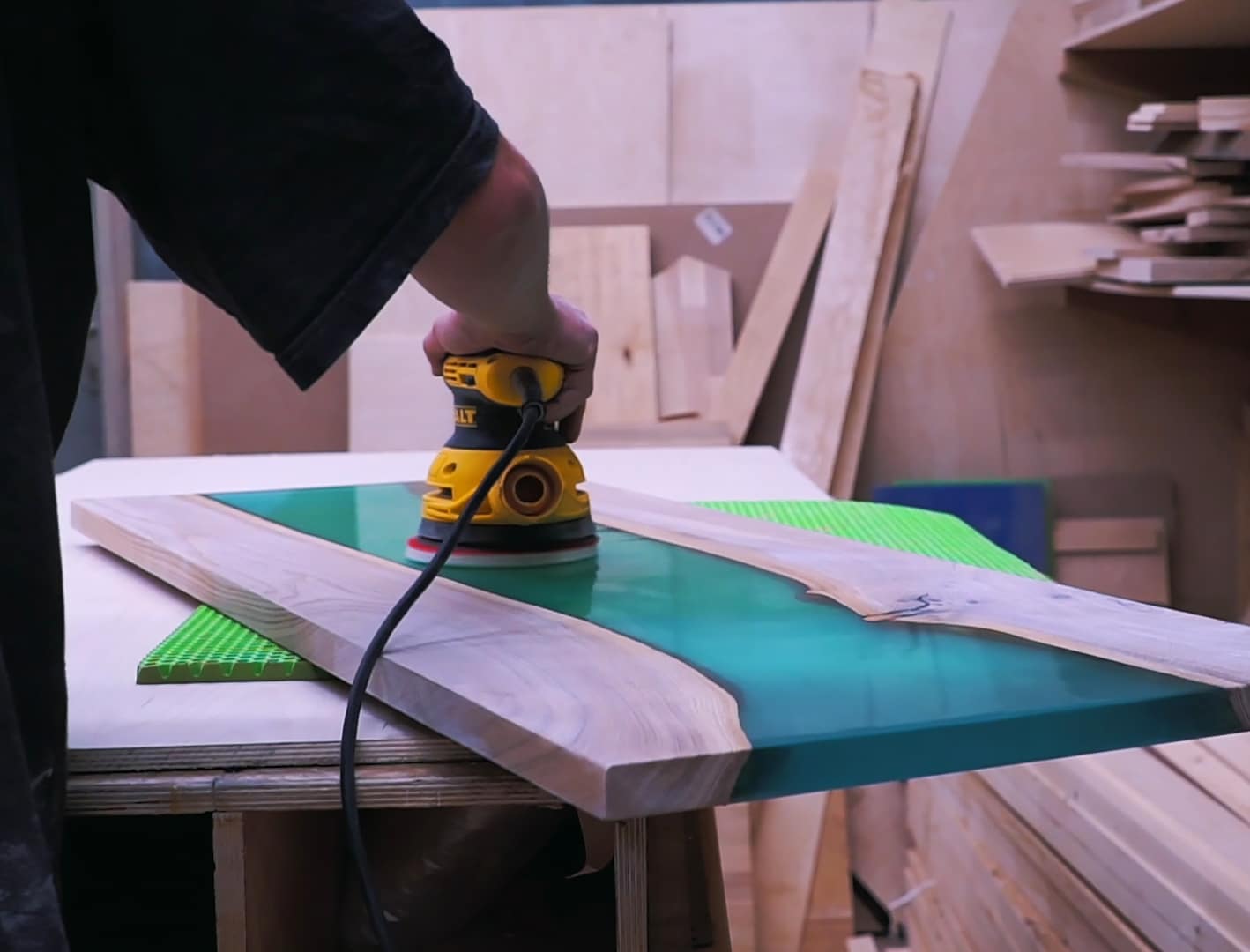
The size and detail of your piece will guide which equipment to use. For intricate shapes or corners, hand sanding with foam-backed pads allows for precision. For broader or more robust surfaces, a rotary polisher with variable speed ensures consistent pressure and quick results. Always begin with the coarsest grade suitable for your project and move up to finer grits, finishing off with a dedicated resin polishing disc.
When This Matters Most
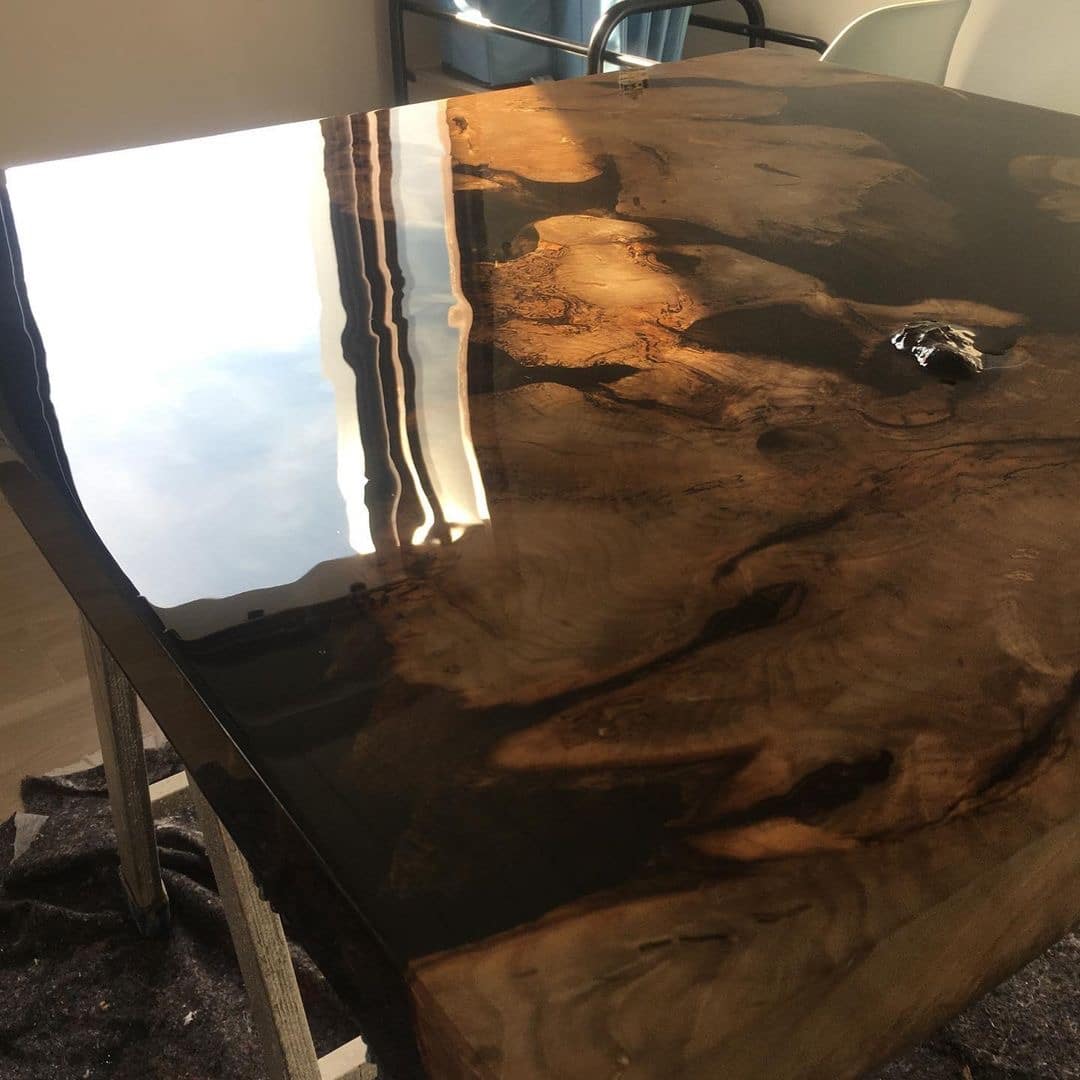
Selecting the correct tools is especially crucial if your finish must be glass-like or you want to avoid scratches and haze. Well-chosen sanding and polishing systems reduce waste and help avoid accidental damage that can occur from mismatched or poor-quality abrasives.
Related products
Related guides
Mastering resin finishing means choosing each tool with care. Explore more about getting the best surface with the right cutters and finishing equipment on our main guide to finishing soft resin.