 Free shipping on orders over £29,85
  Shipping Tracking!


 Google
 Facebook
← Back to What glue should be used for resin?
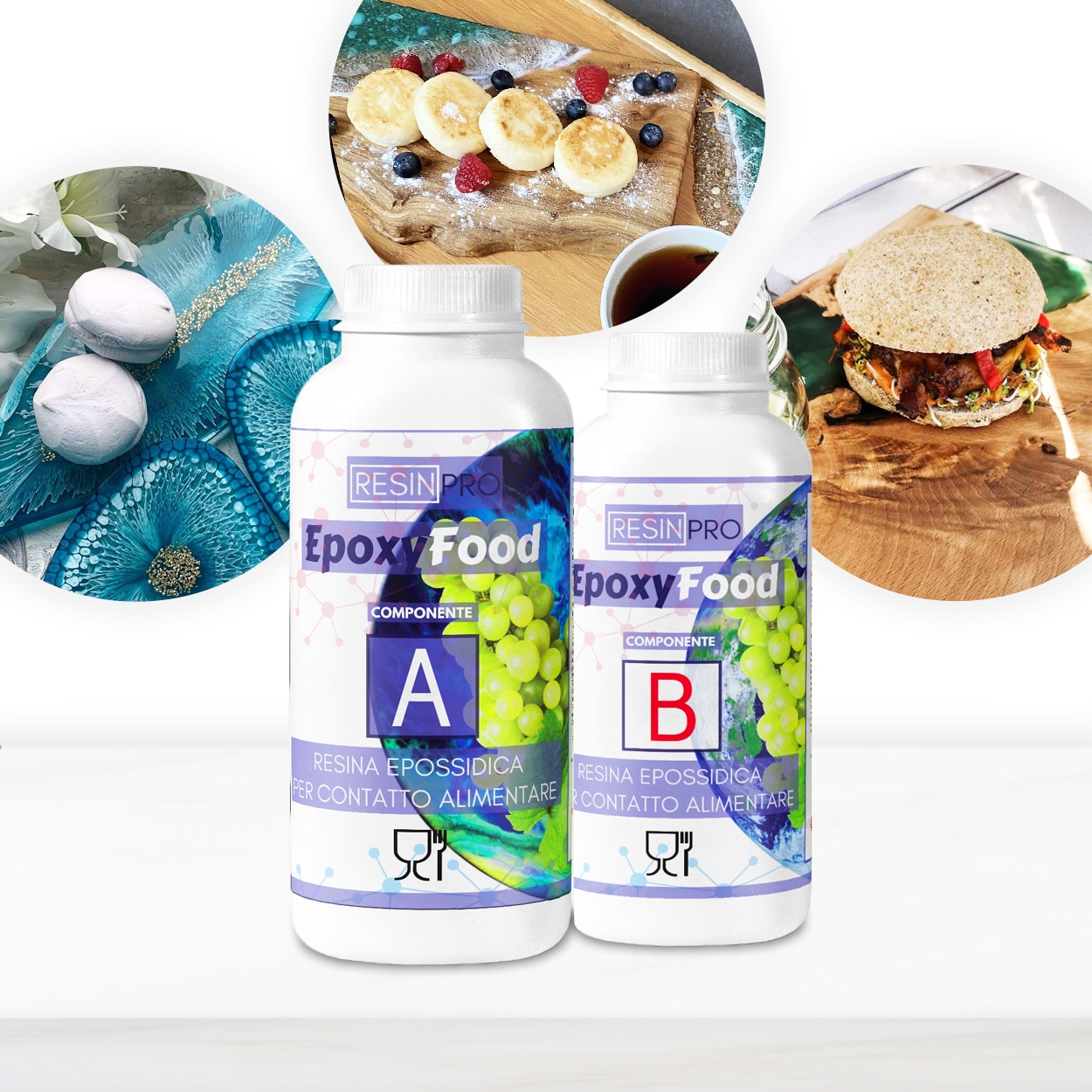
When making or repairing kitchenware, choosing a safe and reliable resin is essential—especially for items that come into direct contact with food. Not all resins meet food safety standards, so understanding which products are suitable can make all the difference for your home or catering projects.
Why Choose a Food-Safe Epoxy Resin?
Food-safe resins are formulated and independently tested to ensure they do not release harmful substances when in touch with food or drink. For kitchenware such as plates, boards, and serving platters, using a certified food-contact epoxy like EpoxyFood ensures peace of mind. This type of resin is specifically approved according to European food safety regulations and is suitable for direct contact with both solid and liquid food items when cured correctly.
Application Tips for Kitchenware Projects
For best results with food-safe epoxy, carefully follow the manufacturer’s mixing ratio (for EpoxyFood, that means 100:55 by weight). Work in a clean, dust-free area and ensure the surface is well prepared and dry. Once fully cured, EpoxyFood leaves a clear, durable, and non-toxic coating that is easy to maintain. It’s ideal for coating wooden cutting boards, fruit bowls, or even glassware that will be used for snacks and drinks.
When Food-Safe Resin Matters Most
- When coating surfaces that will be used for serving or preparing food
- Restoring or sealing wooden boards, utensils, or ceramics for kitchen use
- Crafting bespoke kitchen gifts requiring long-lasting, safe finishes
Related products
Related guides
Opting for a certified food-safe epoxy like EpoxyFood ensures your kitchen creations remain both beautiful and safe. To find more solutions for resin needs, explore our full guide on what glue should be used for resin.