 Free shipping on orders over £29,85
  Shipping Tracking!


 Google
 Facebook
← Back to How do you repair a resin bathtub?

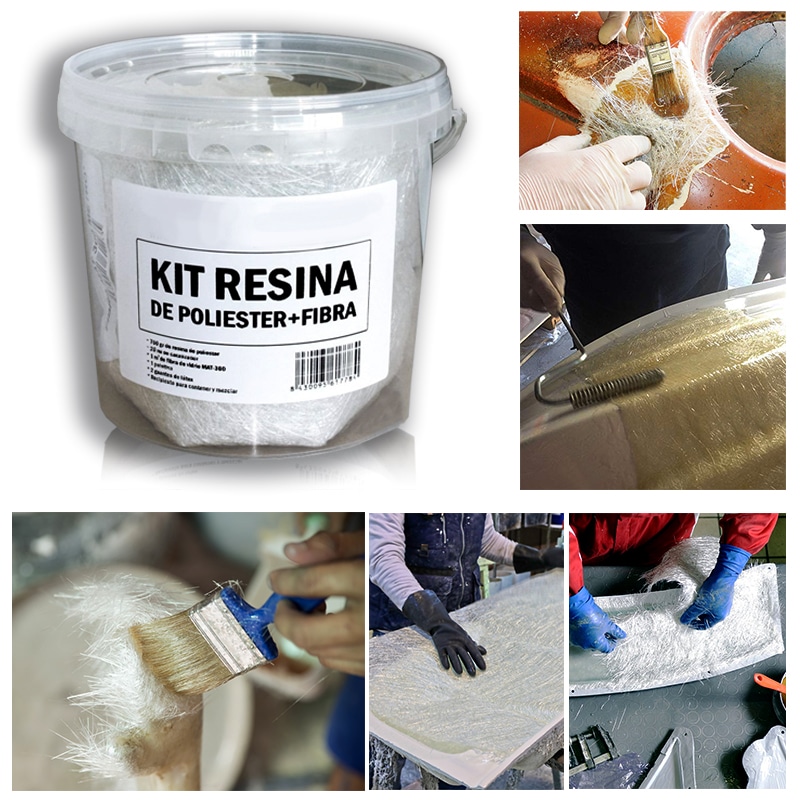
Noticed that the repaired area on your resin bathtub feels or looks uneven? Achieving a perfectly smooth surface can be tricky, but unevenness is a common fixable issue. Here’s how to deal with it to get a quality finish.
Sanding Techniques for a Smooth Finish
If your repair has left high spots or rough areas, careful sanding is your first solution. Begin with a medium-grit sandpaper, such as 120-180 grit, to level the surface without causing gouges. Gradually move to finer grits (240-400) to blend and smooth the area. Always sand with even pressure in circular motions and keep the area clean from dust for best results.
When a Second Application is Needed
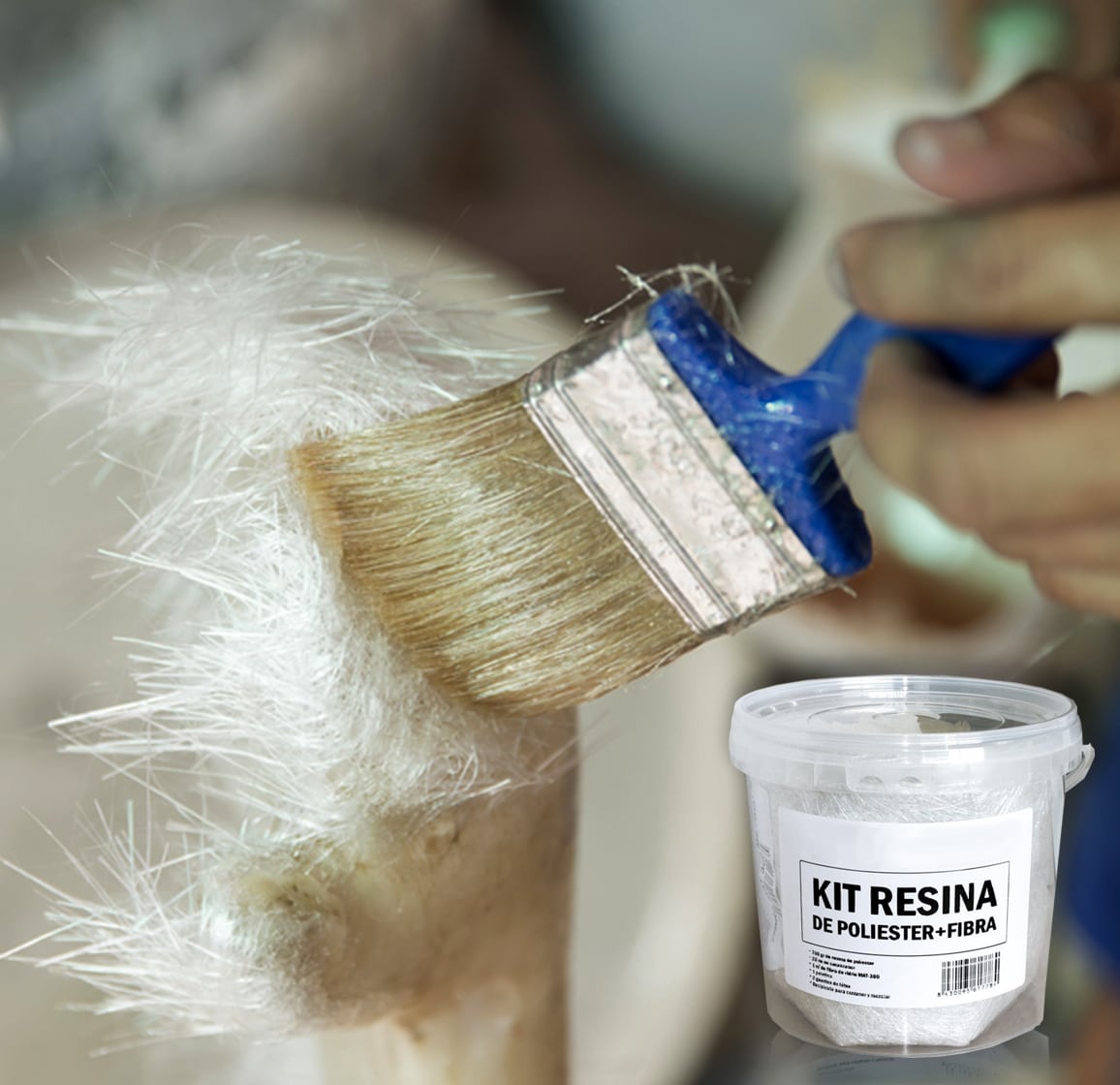
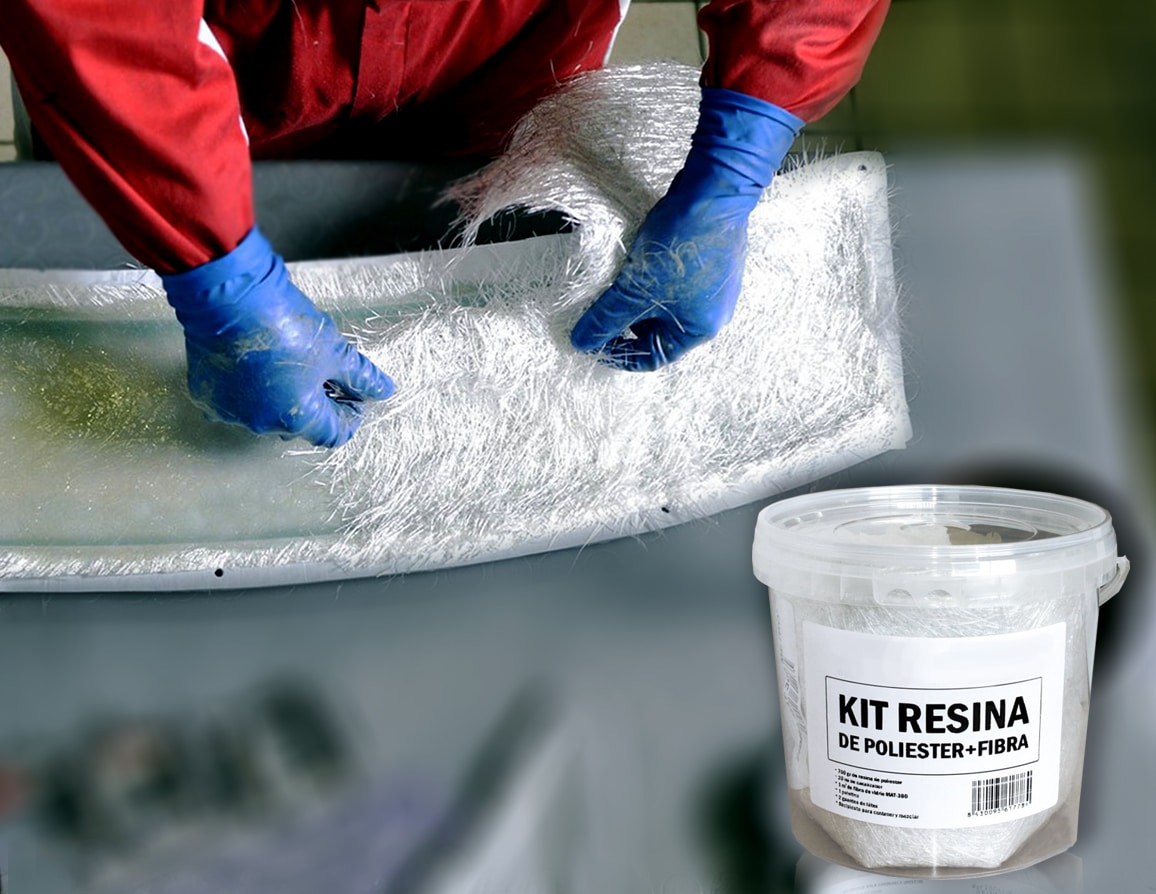
In some cases, sanding may reveal low spots, dips, or pinholes. To address these, apply a thin layer of fibreglass putty or resin, using a spreader for even application. Allow it to cure thoroughly before sanding again. Products such as the CROP 2K Fiberglass Putty are ideal for filling and levelling defects, as they sand easily and are moisture-resistant.
When Surface Smoothness Matters Most
- A smooth finish is especially important in bathing areas for safety, hygiene, and aesthetics.
- If the bathtub will be frequently used or is highly visible, investing time in extra preparation and final sanding pays off in appearance and comfort.
Related products
Related guides
Resolving uneven repairs takes a bit of patience, but your resin bathtub can look and perform as good as new with the right steps. For more on effective repair methods, see our in-depth guidance at how to repair a resin bathtub.