 Free shipping on orders over £29,85
  Shipping Tracking!


 Google
 Facebook
← Back to Which resin is best for an aquarium?
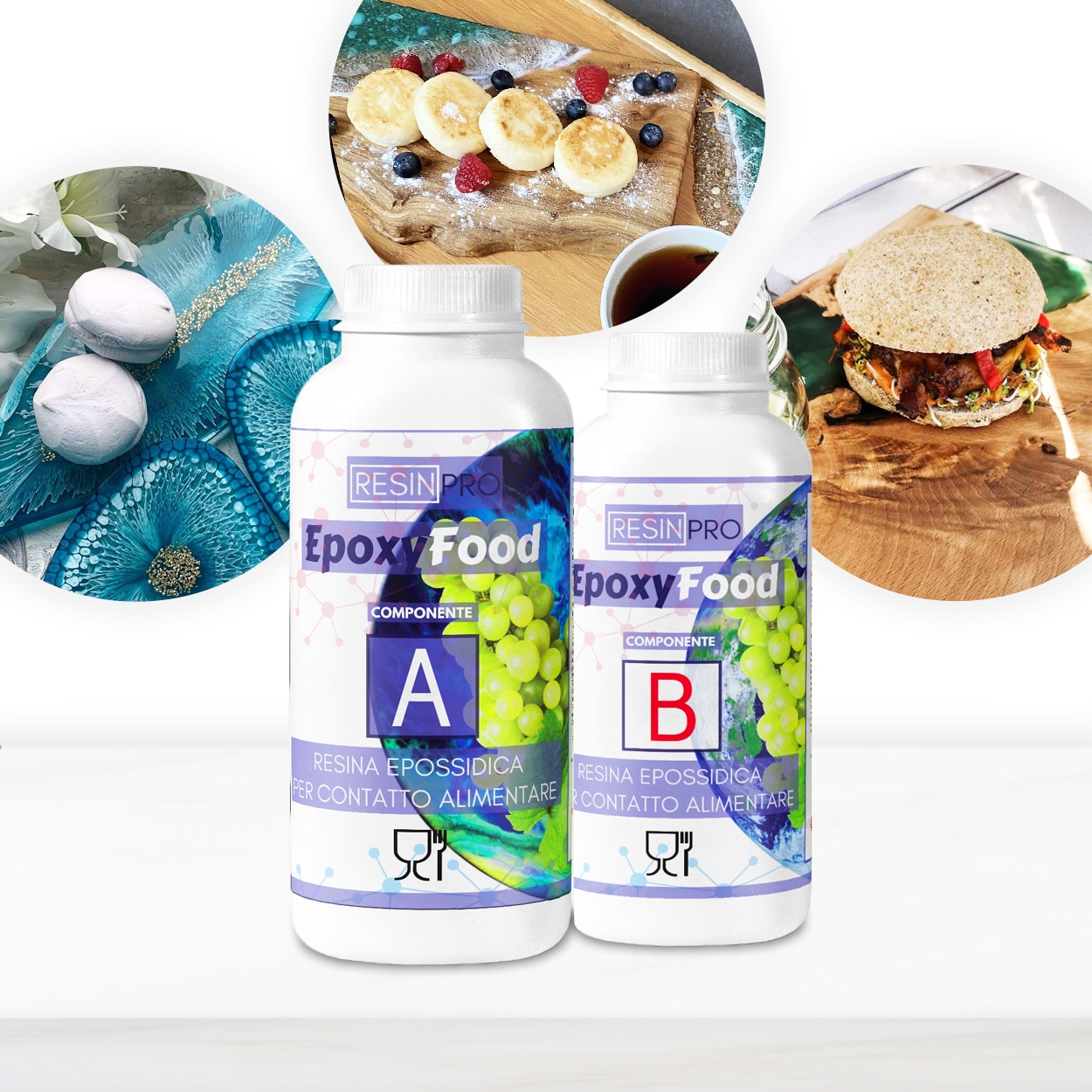
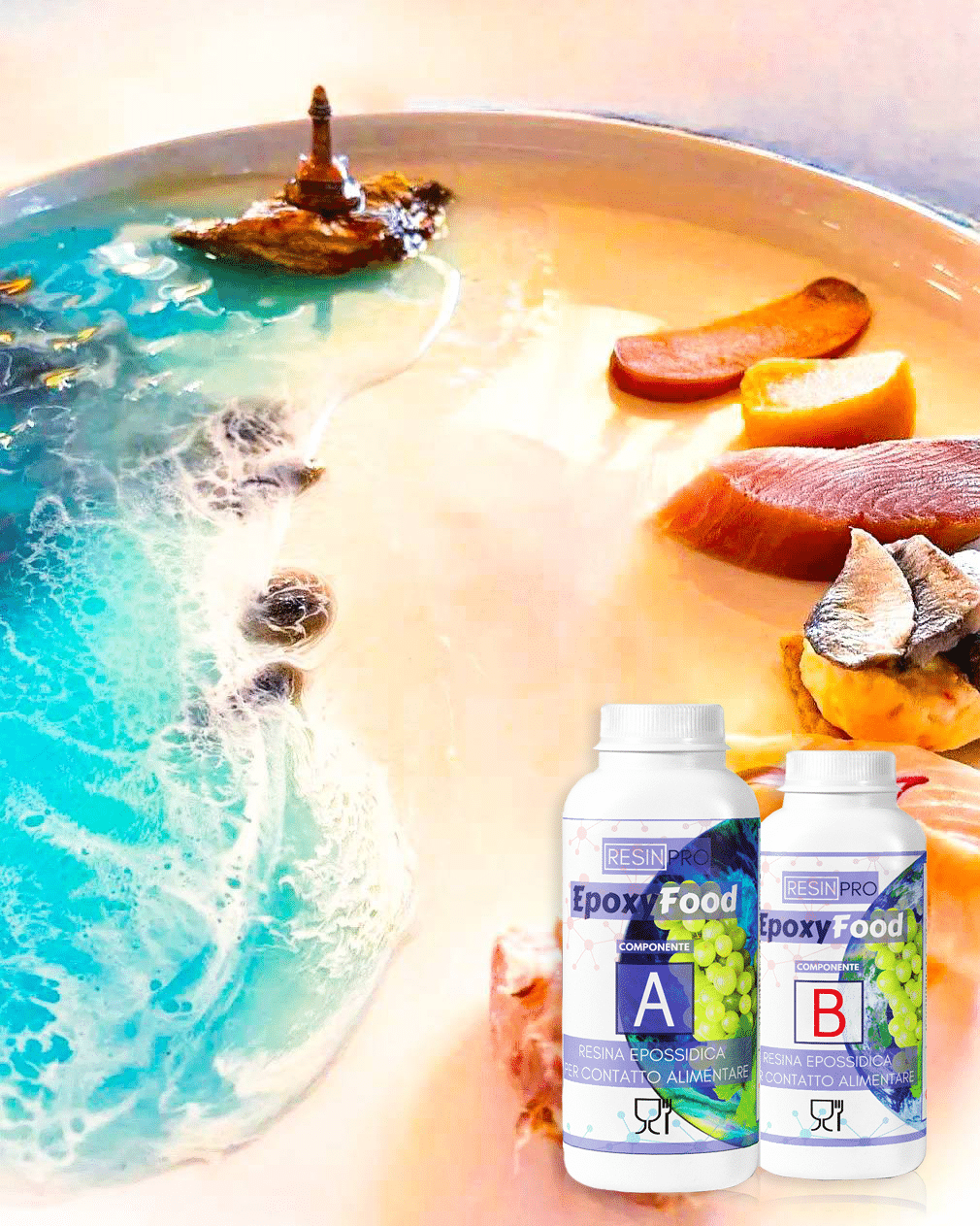
Choosing the right resin for your aquarium or aquatic project is essential for both safety and appearance. Not all resins are created equal; understanding how they differ can help you achieve the best result for your needs.
Food Safety Certification
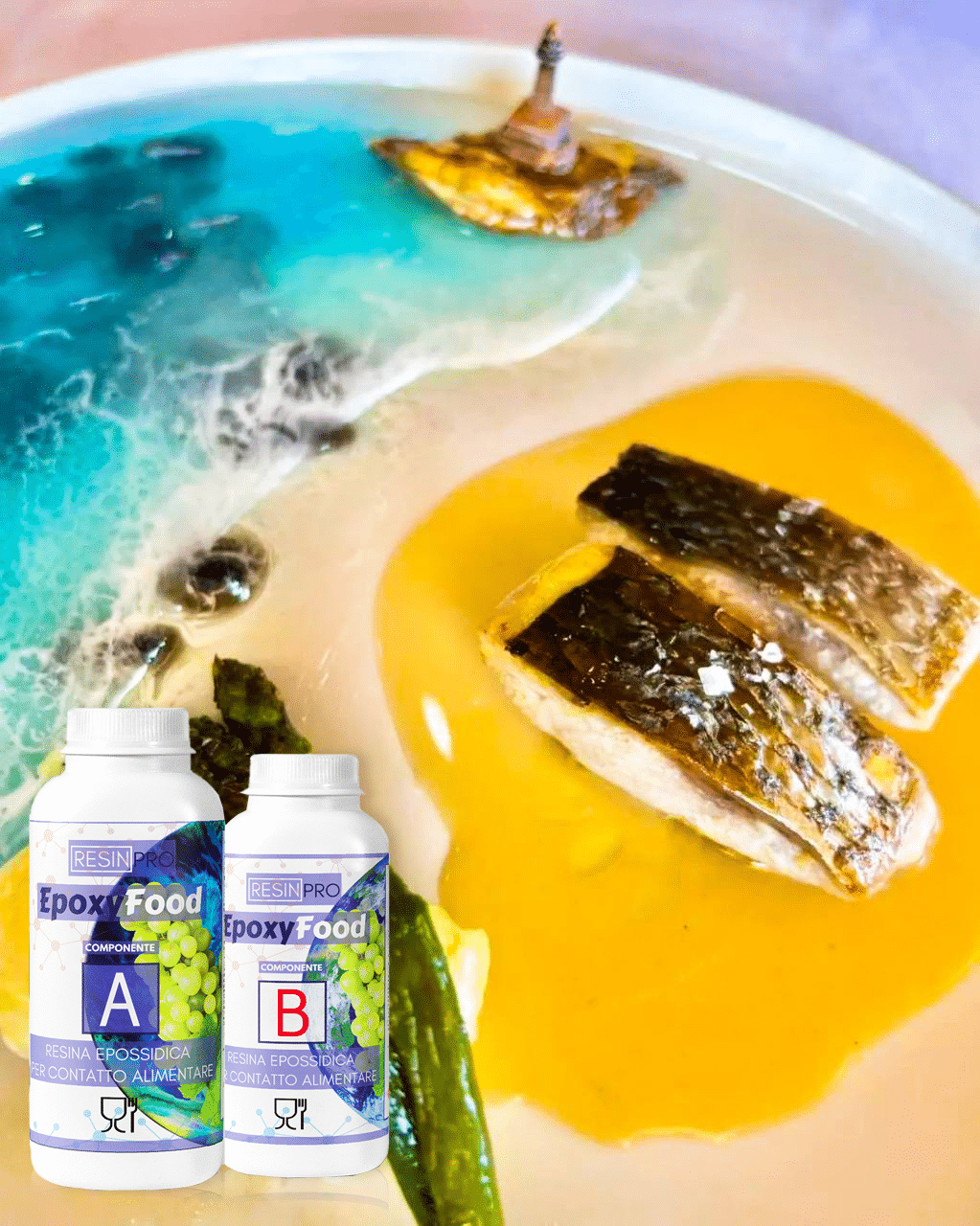
One critical distinction is whether a resin is certified for food contact. If your project involves surfaces that will interact with water and living organisms—like aquariums, terrariums, or decorative water features—opting for a certified food-safe resin provides added peace of mind. For example, EpoxyFood offers independent testing for European food contact standards when correctly mixed and cured, making it suitable for environments requiring this extra assurance.

Pour Depth and Project Size
Resins are formulated for different thicknesses per application. Deep pour resins such as Epoxytable 10-Ten allow casting up to 10cm deep in a single pour, ideal for creating substantial decorative features or the structural base of large aquariums. For thinner layers or coatings, products like Icrystal are better suited, with up to 1.5cm per application.
UV Resistance and Longevity
Prolonged exposure to light can cause some resins to yellow over time. UV-resistant formulations extend the clarity of your project, which is especially important for aquariums placed near windows or under strong lighting. Many modern aquarium resins include UV blockers to help maintain transparency for years to come.

When Project Demands Matter Most
- Food contact: Choose certified options for safety around aquatic life.
- Depth of project: Use appropriate deep-pour or shallow layer products for desired thickness.
- Light exposure: Prioritise UV resistance for clarity over time.
Related products
Related guides
Understanding the differences between aquarium resins ensures you can select the right product for safety, clarity, and durability. For more details about choosing the perfect resin for aquatic environments, visit our main guide on which resin is best for an aquarium.