 Free shipping on orders over £29,85
  Shipping Tracking!


 Google
 Facebook
← Back to How is epoxy resin obtained?
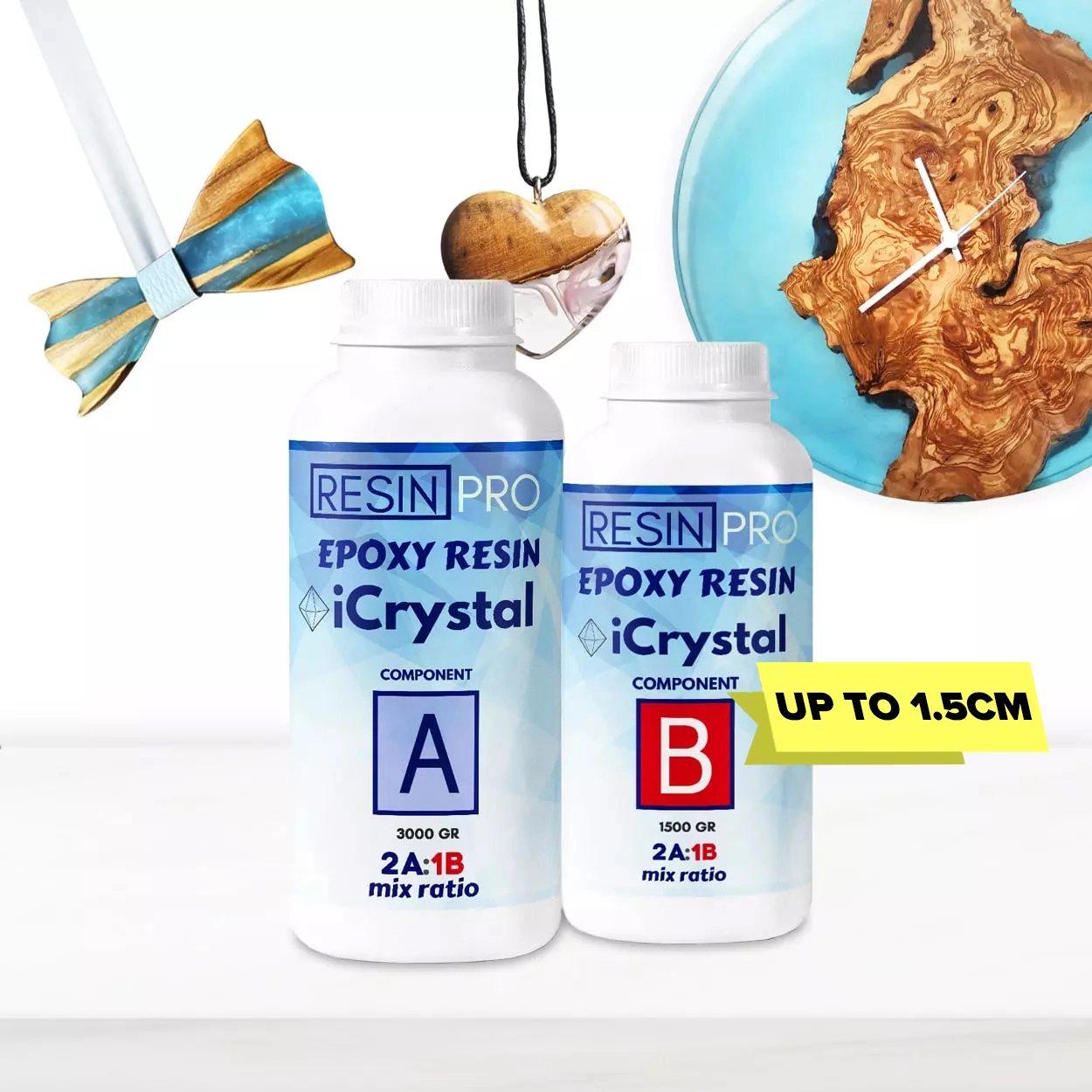
Epoxy resins are popular for projects where a flawless, glass-like finish is essential. Let’s explore what contributes to the remarkable clarity of certain epoxy resins, from their chemical makeup to production methods.
Purity of Raw Materials
The foundation of a crystal-clear epoxy resin lies in the selection of high-purity base chemicals. Impurities and colour casts in the raw materials can lead to a cloudy appearance or unwanted tints. Manufacturers carefully source refined resins and hardeners specifically designed for applications needing transparency, such as artistic pieces, table coatings, or decorative flooring.
Advanced Additives and Manufacturing
Additives, especially those that absorb or deflect ultraviolet (UV) light, play a significant role in maintaining clarity over time. UV filters help protect against yellowing, allowing the resin to retain its initial look for years. In production, careful blending and thorough degassing are crucial. The removal of bubbles, moisture, and particulates ensures a smooth, clear finish without haze or micro-defects.
Getting the Best Results
For the clearest possible outcome, follow the instructions for accurate measuring and thorough mixing. Apply the resin in thin layers when possible and use products like “Icrystal” Clear Epoxy Resin or other specialist crystal-clear variants. Good ventilation, the right tools, and temperature control also help minimise bubbles and imperfections.
Related products
Related guides
Understanding what makes epoxy resin crystal clear helps you select the right product for your creative or practical projects. To learn more about the origins and production of epoxy resin, see our main guide on how epoxy resin is obtained.