 Free shipping on orders over £29,85
  Shipping Tracking!


 Google
 Facebook
← Back to What happens if I use too much catalyst in resin?

Getting the mixing ratio right is one of the most important steps when working with epoxy resin. The correct measurement ensures that your resin cures fully and delivers a flawless finish.
Why Precise Mixing Ratios Matter
Epoxy resin is a two-part system: resin and hardener. Each product is formulated with a specific ratio, such as 2:1 or 100:55 parts by weight or volume. An incorrect ratio can result in incomplete curing or a tacky, soft surface. Too much hardener can also cause rapid curing, excess heat, and reduced clarity, while too little may leave the resin sticky or uneven.


How to Measure and Mix Epoxy Resin
- Read the product instructions carefully for the exact ratio – this varies between brands and resin types.
- Use accurate digital scales or measuring cups as recommended for your resin.
- Mix resin and hardener thoroughly, scraping the sides and base of your container until the mixture is fully blended and clear.
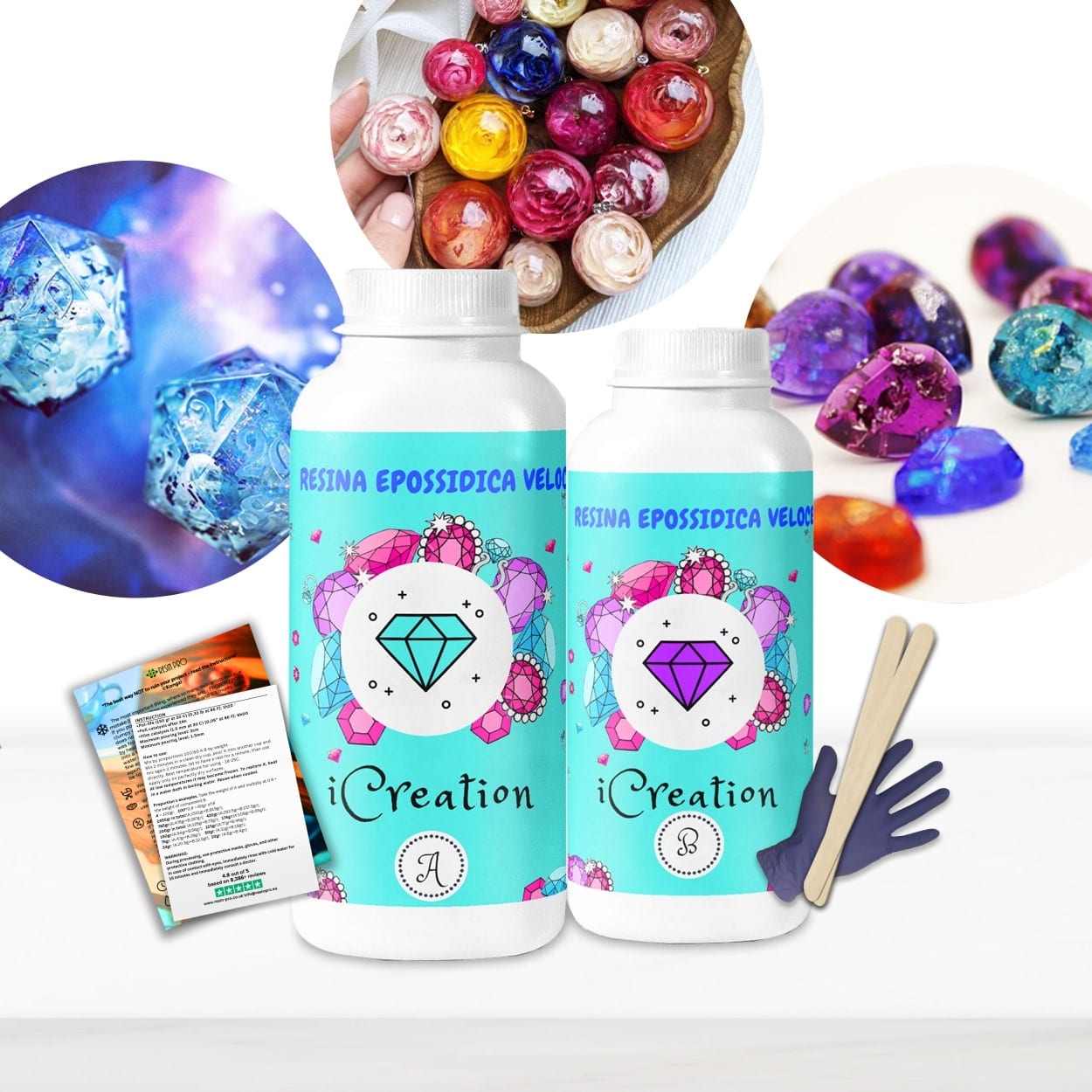
- Some fast-curing products, like the ICreation fast epoxy resin, use a simple 2:1 ratio for easier preparation.
When the Correct Ratio Is Crucial
Careful measurement is especially important for deep pours, art pieces, and functional items such as tables or jewellery. For instance, products like EpoxyTable 5-Five require precise ratios (100:55) to handle thicker layers and avoid defects. Always follow the guidelines for your chosen application – especially if clarity, strength, or finishing quality matter to your project.

Related products
Related guides
Accurate mixing is key to successful epoxy projects, whether you’re crafting art or building furniture. For more detail on how resin reacts to different catalyst amounts, see our main guide on what happens if you use too much catalyst in resin.