 Free shipping on orders over £29,85
  Shipping Tracking!


 Google
 Facebook
← Back to How to use resin to build a guitar?
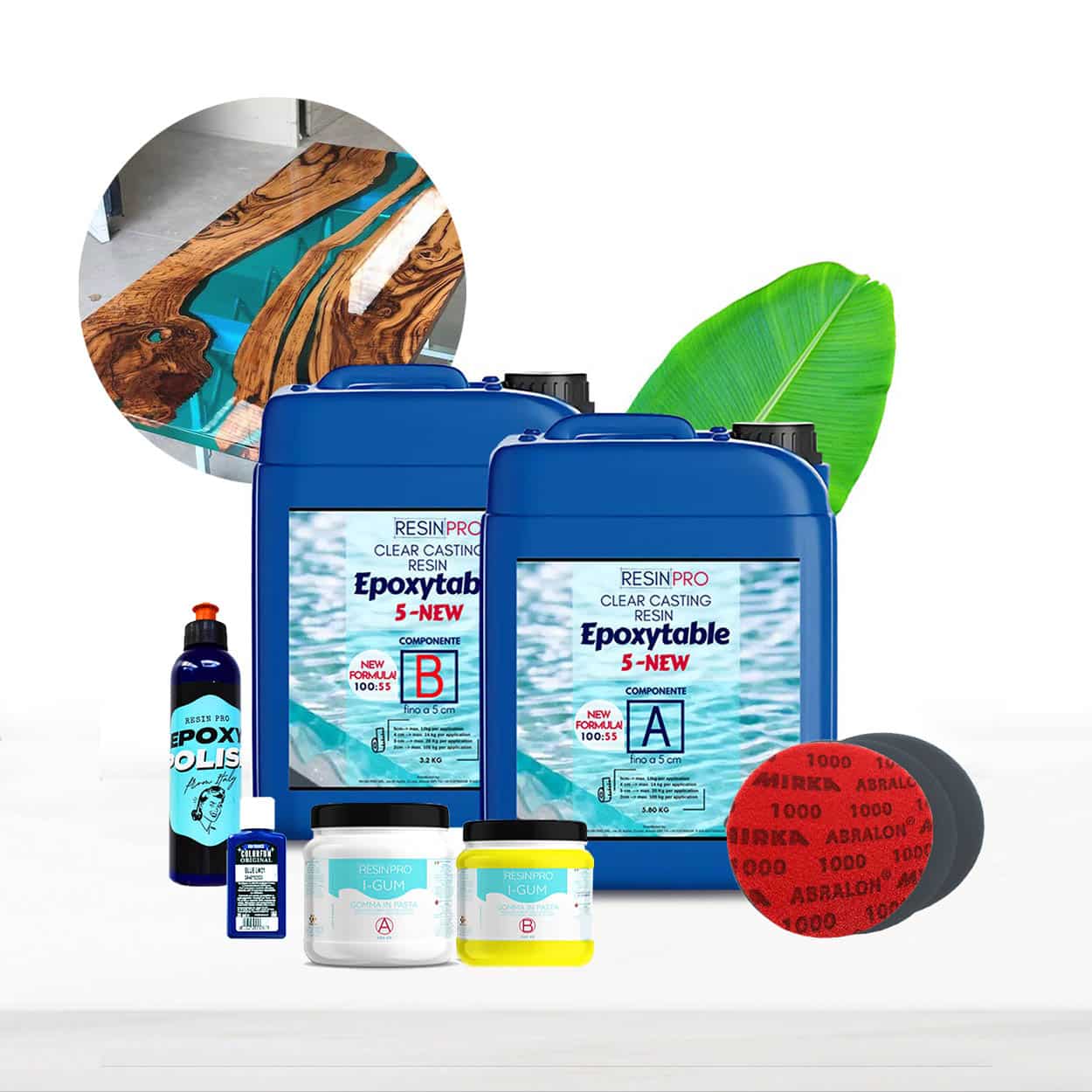

Achieving a brilliant finish on resin guitar bodies brings out their unique character and protects them for the long term. The right polish or finish is key to both presentation and durability.
Polishing for a High-Gloss Surface
After you’ve sanded your cured resin guitar body, use a dedicated plastic and resin polishing cream. These products are designed to refine the surface, remove fine scratches, and bring out a deep, clear shine. A polishing kit, like the one found in the River-Table Complete Kit, typically includes creams and graded pads to achieve a smooth, glassy effect. Work through progressively finer grits for best results, finishing with a soft cloth for the final buff.
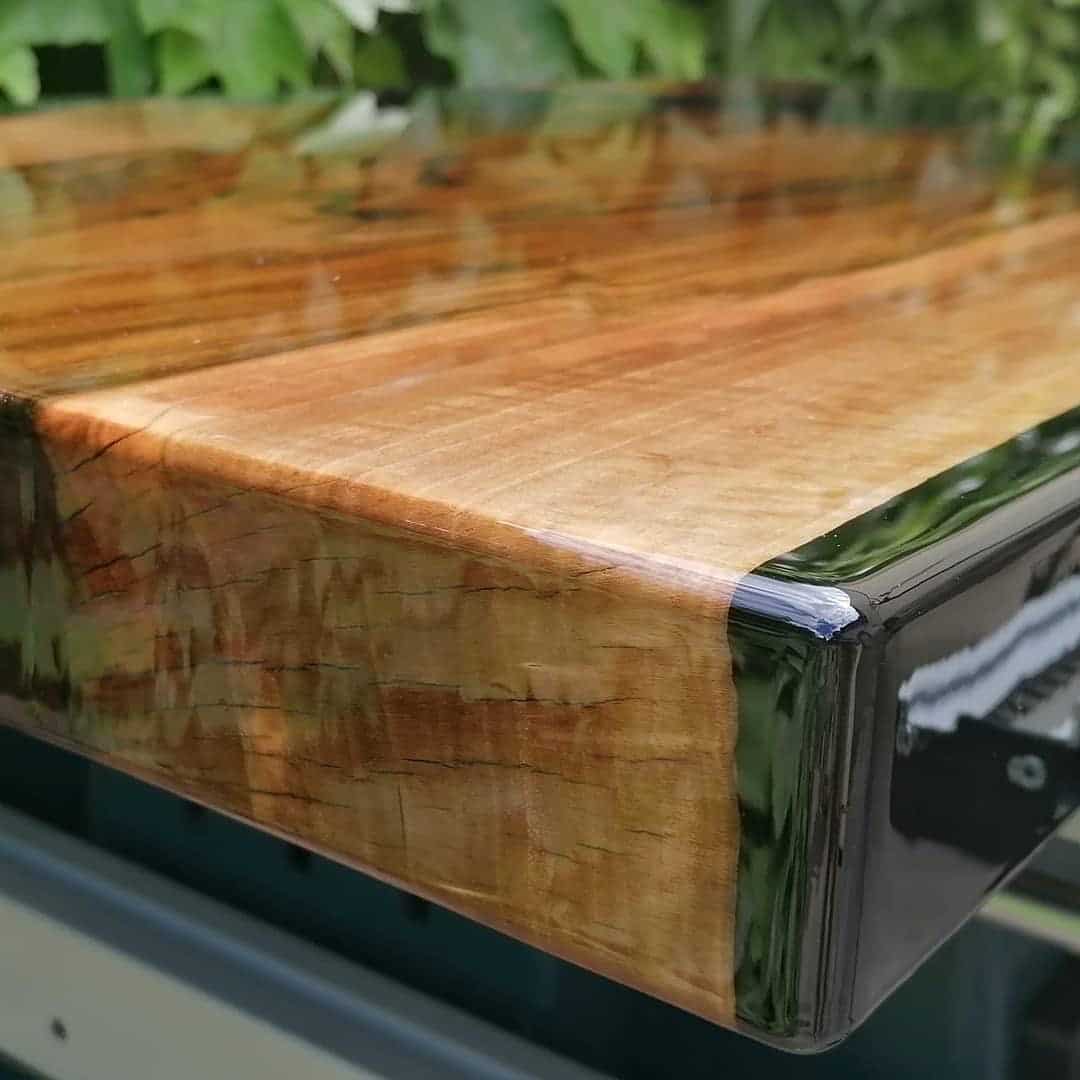

Adding Extra Protection: Oil or Varnish
For added gloss and protection, consider a fine finishing oil or a clear varnish suitable for plastic or resin. Oils penetrate and enrich the resin’s surface, while varnishes form a protective layer that helps to resist scratches and maintain clarity. Always select products compatible with resin and follow the manufacturer’s instructions for curing and buffing.
When Surface Finish Matters Most
A flawless finish is especially important if your resin guitar body is a centrepiece or includes decorative inlays. Surface imperfections are more visible on resin, making careful polishing crucial for eye-catching results and a pleasure to play.

Related products
Related guides
Choosing the right approach to polish or finish your resin guitar body ensures it not only looks stunning but also stands up to frequent handling. For more guidance on crafting unique resin guitar projects, explore our main guide on how to use resin to build a guitar.