 Free shipping on orders over £29,85
  Shipping Tracking!


 Google
 Facebook
← Back to How to resurface a bathtub?

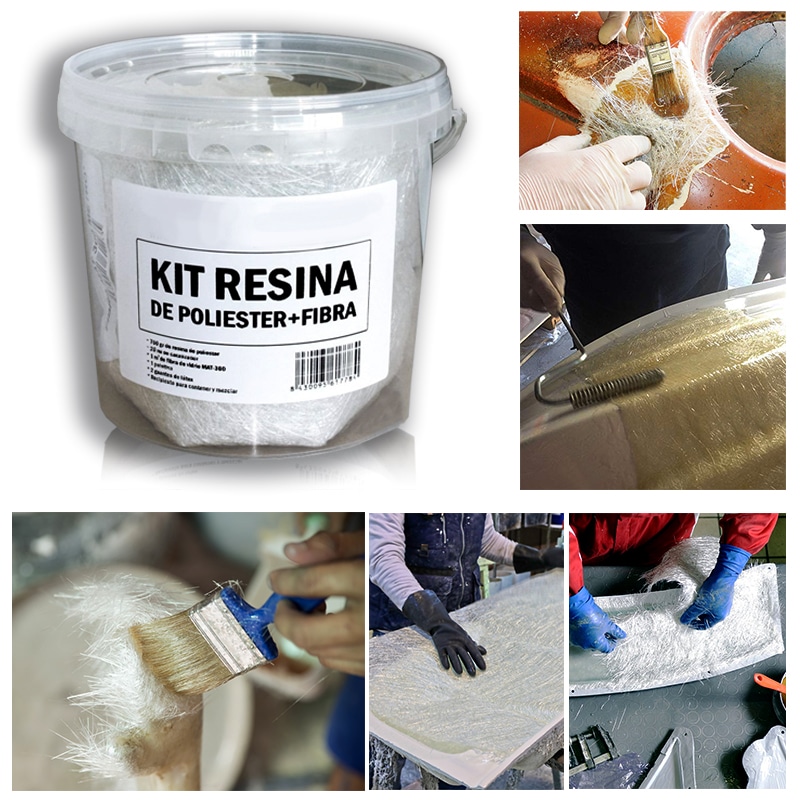
Resurfacing your bathtub is a great way to refresh your bathroom without the cost of a complete replacement. However, not all tub surfaces respond equally well to resurfacing techniques, so choosing a compatible material is crucial for lasting results.
Compatible Surfaces for Bathtub Resurfacing
The most suitable surfaces for bathtub resurfacing are typically rigid and smooth. Common materials that respond well include porcelain, acrylic, enamel, fibreglass, and some metals. These surfaces allow resurfacing products—such as tough polyester resins—to bond securely, restoring both appearance and waterproof integrity. If you’re unsure, check your tub’s material; most classic and modern bathtubs fall into these categories.
Preparation: Key to a Successful Finish
Thorough preparation makes all the difference. Begin by removing old coatings, soap scum, or loose paint using a tool like the Heavy Duty Scraper for Paint and Epoxy Resin Removal. Once clean, sand the surface well to create a good “key” for the new resin—sanding pads such as Ebonite Abralon are ideal for this step. This ensures the resurfacing layer will adhere uniformly and resist future peeling.
Practical Advice When Selecting and Applying Resurfacing Products
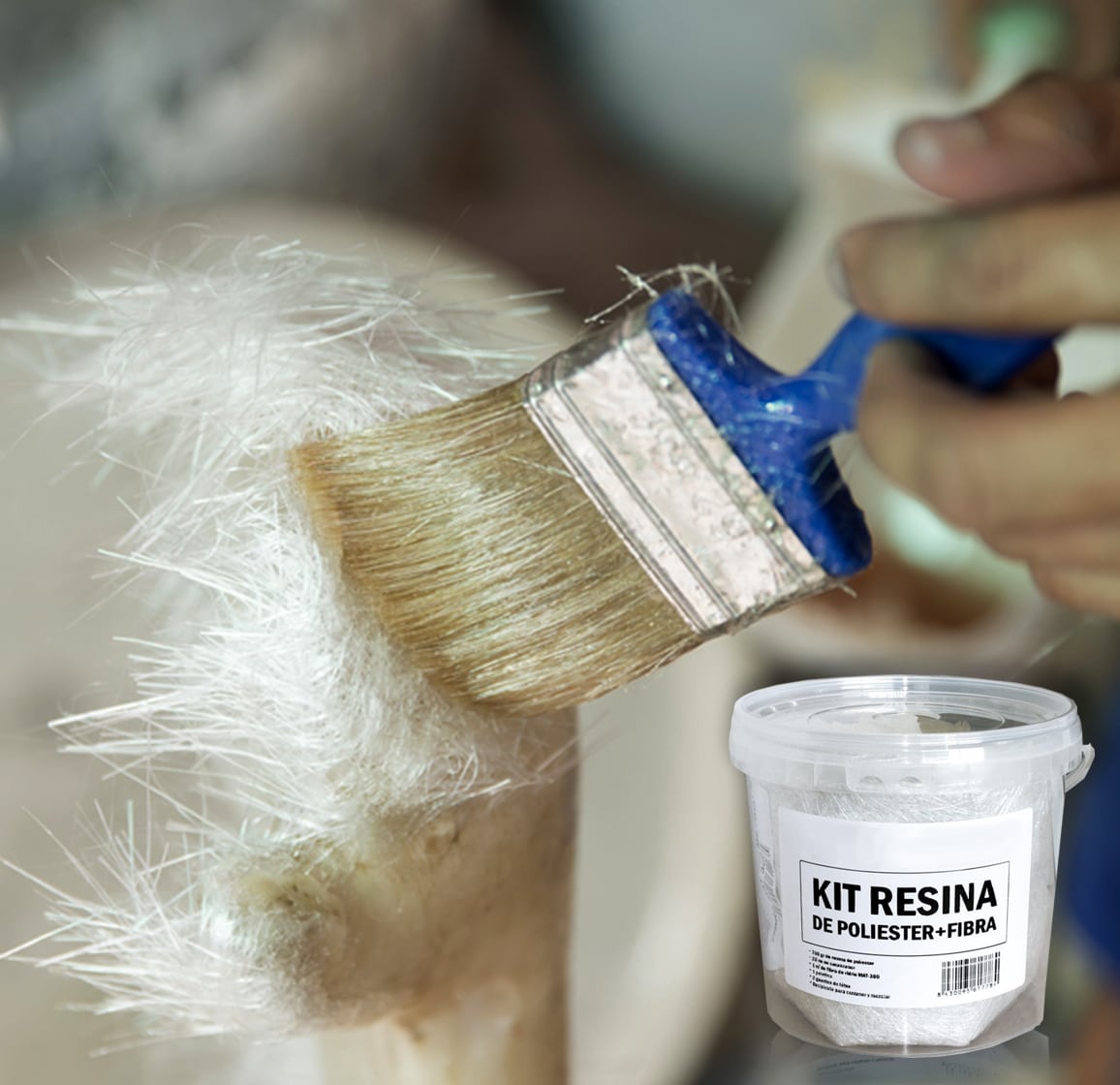
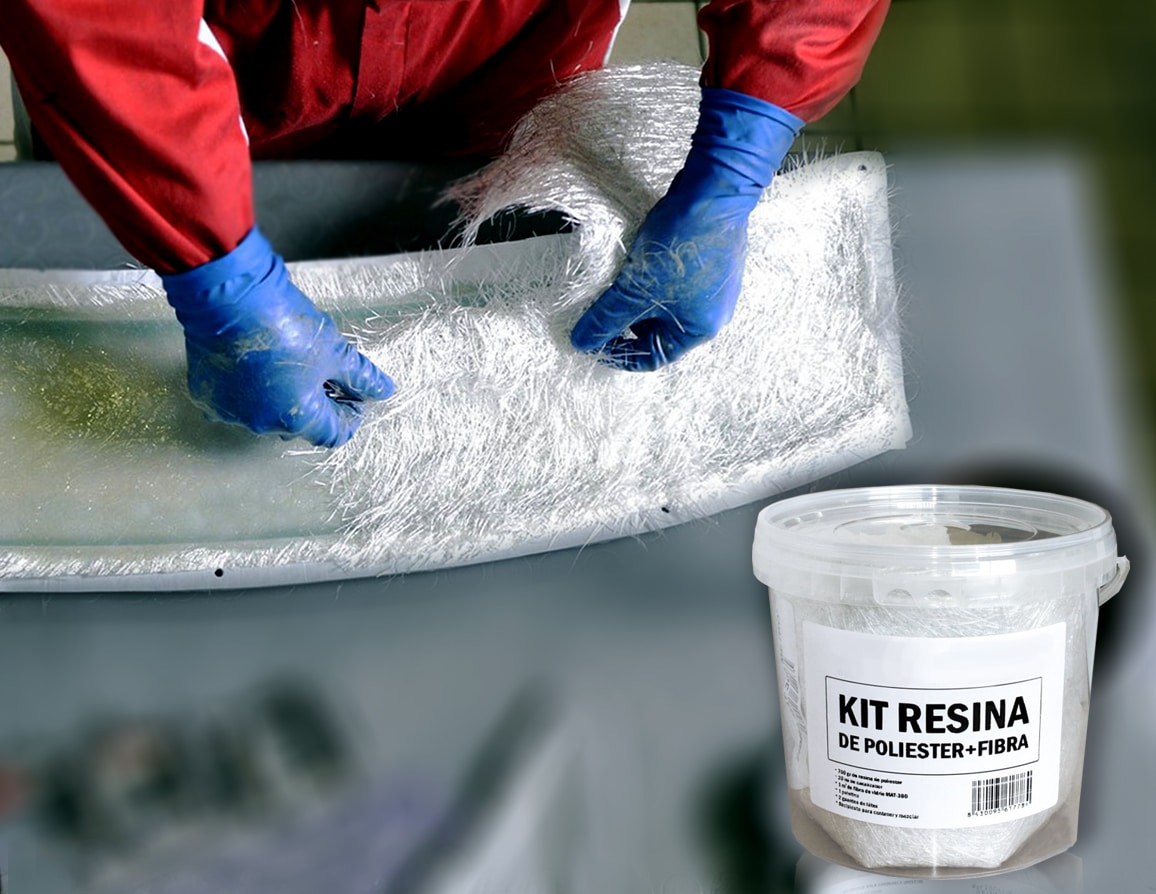
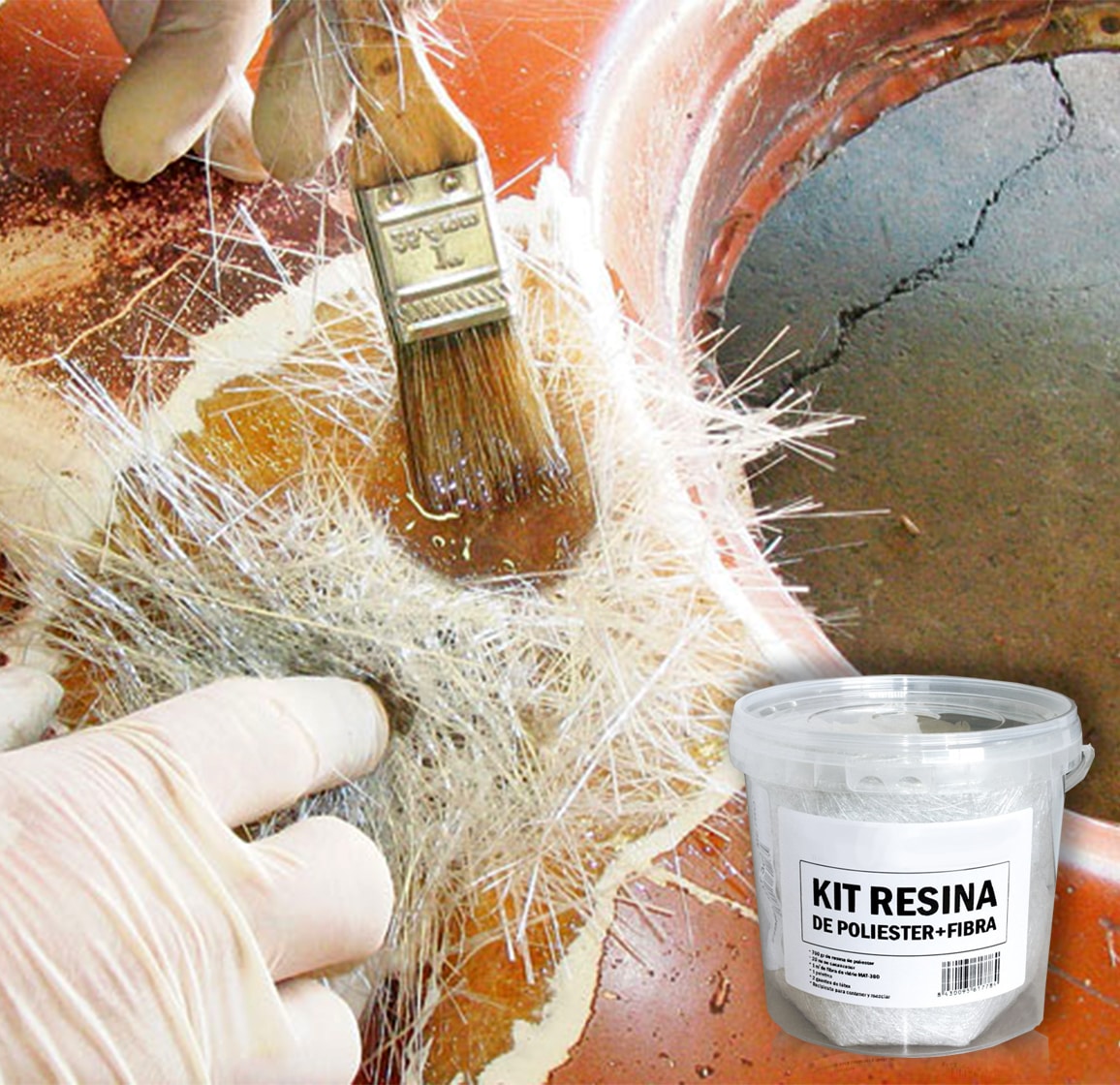
- Only use resurfacing kits confirmed to work with your tub material. Products such as the Resin Fibreglass Repair Kit offer excellent compatibility with fibreglass, metal, porcelain, and rigid plastics.
- Always clean thoroughly and sand before application for a long-lasting, professional finish.
- Test in a small inconspicuous area if you are resurfacing a less common material to check adhesion.
Related products
Related guides
Choosing the proper surface and taking care with preparation will give your bathtub resurfacing project the best chance of success. For more detailed steps and product options, see our comprehensive advice on How to resurface a bathtub.