 Free shipping on orders over £29,85
  Shipping Tracking!


 Google
 Facebook
← Back to How do you resin a camper?
If you find that the resin applied to your camper remains sticky or tacky after curing, you’re not alone. This common issue can often be resolved with a careful assessment and a few practical steps.
Common Causes of Sticky Camper Resin
Tacky resin is typically the result of incorrect mixing ratios or poor curing conditions, such as low temperatures. Precise measurement of resin and hardener is vital—using too much or too little of either component can prevent the resin from fully hardening. Additionally, cold, damp, or poorly ventilated spaces slow down or even halt the curing process.
Practical Steps to Remedy Tacky Resin
- Check your proportions: Review the product instructions and verify that you measured the resin and hardener correctly.
- Consider temperature: Ensure the camper is in an area above 15°C (ideal range) and avoid high humidity.
- Remove and reapply if needed: If the surface is still tacky after several days in optimal conditions, carefully scrape it off or sand it back. Clean the area with a suitable degreaser, such as the Strong Technical Degreaser, before recoating.
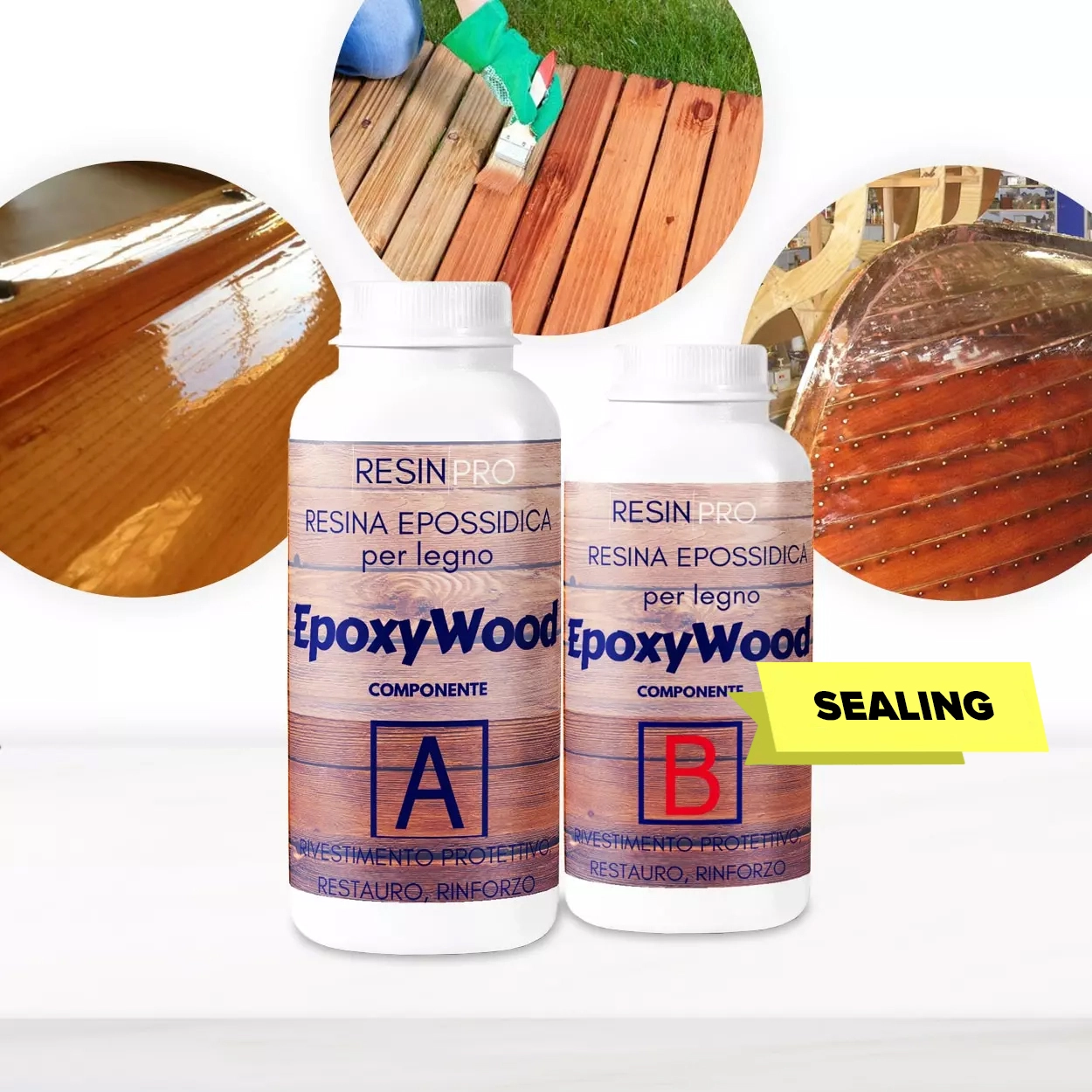
- Use the right resin: Switch to a product designed specifically for your camper’s external wood or fibreglass—like EpoxyWood or a fibreglass repair kit for robust, waterproof finishes.
When This Matters Most
Ensuring a smooth, tack-free resin finish on your camper is particularly crucial ahead of rainy weather, long trips, or if you’re refurbishing for longevity. Tackiness not only spoils the look but may also attract dust and moisture, leading to further issues down the line.
Related products
Related guides
Sorting tacky resin is essential for maintaining the integrity and appearance of your camper. For more detailed guidance on applying and restoring resin finishes, see our main page on how to resin a camper.