 Free shipping on orders over £29,85
  Shipping Tracking!


 Google
 Facebook
What to Do to Remove Epoxy Residue?
A clear, safe process for cleaning stubborn epoxy residue


Removing epoxy residue from surfaces requires careful, methodical action to avoid damaging the underlying material and to restore a clean finish. Whether you are an experienced DIY enthusiast or cleaning up after your first resin project, this guide covers essential steps and best practices to eliminate residue, so your work area or finished piece stays looking its best.
What You’ll Need
- Strong Technical Degreaser for Resin Projects – 100% Natural Formula – Effective and gentle for various surfaces.
- Pure Isopropyl Alcohol 99.9% – 1000ml Bottle for Epoxy Resin Projects & DIY – For residue removal and surface cleaning.
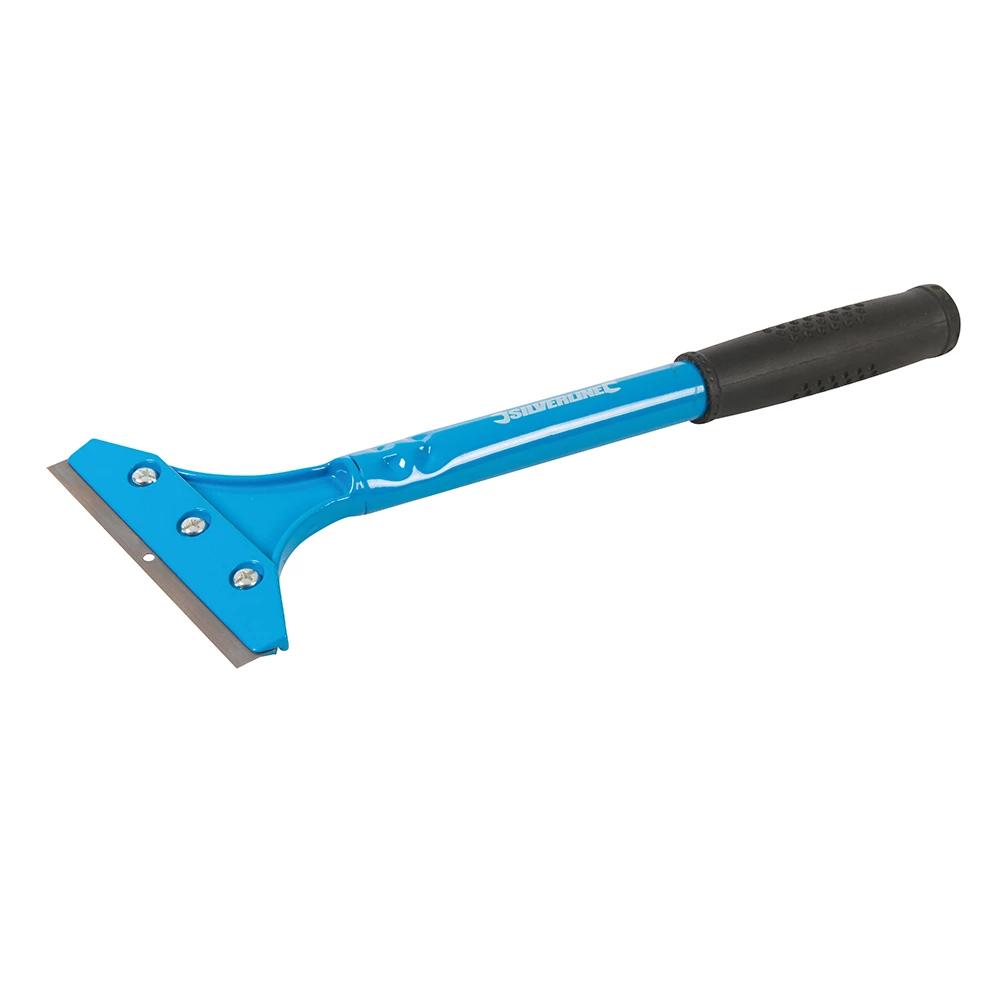
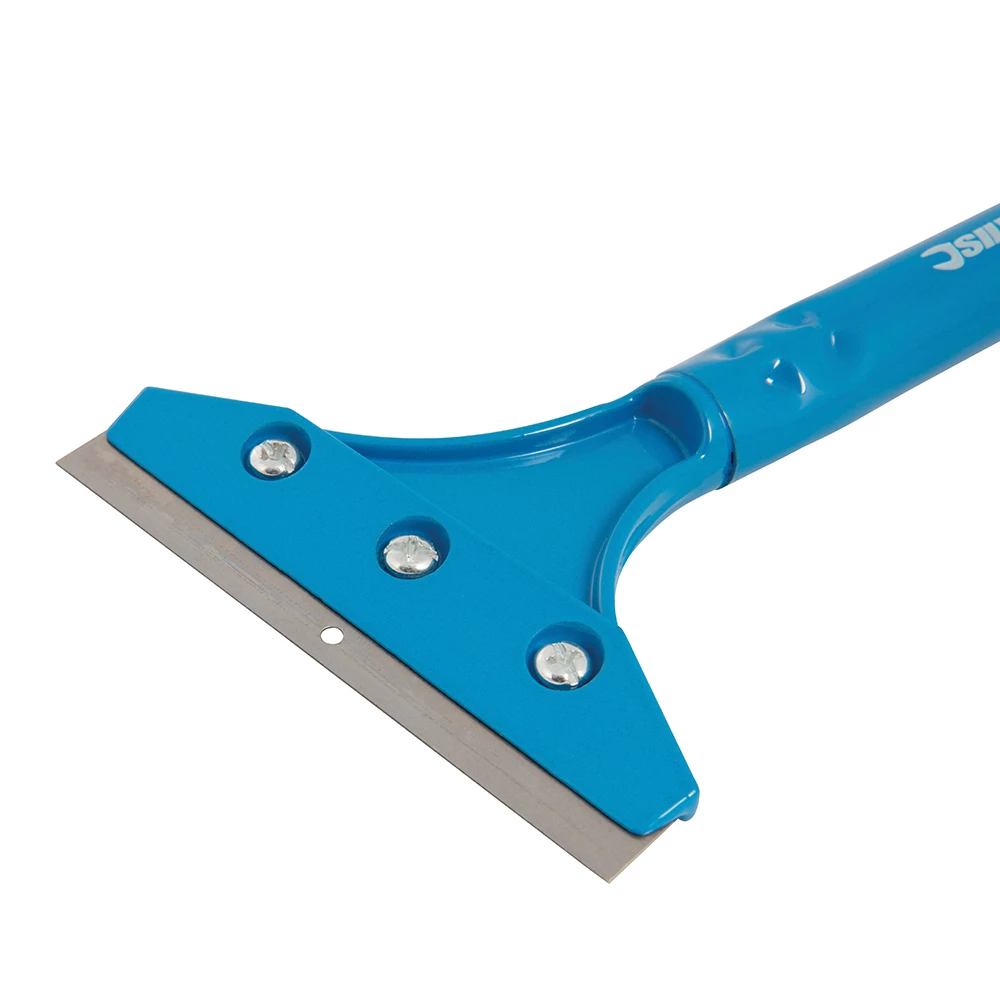
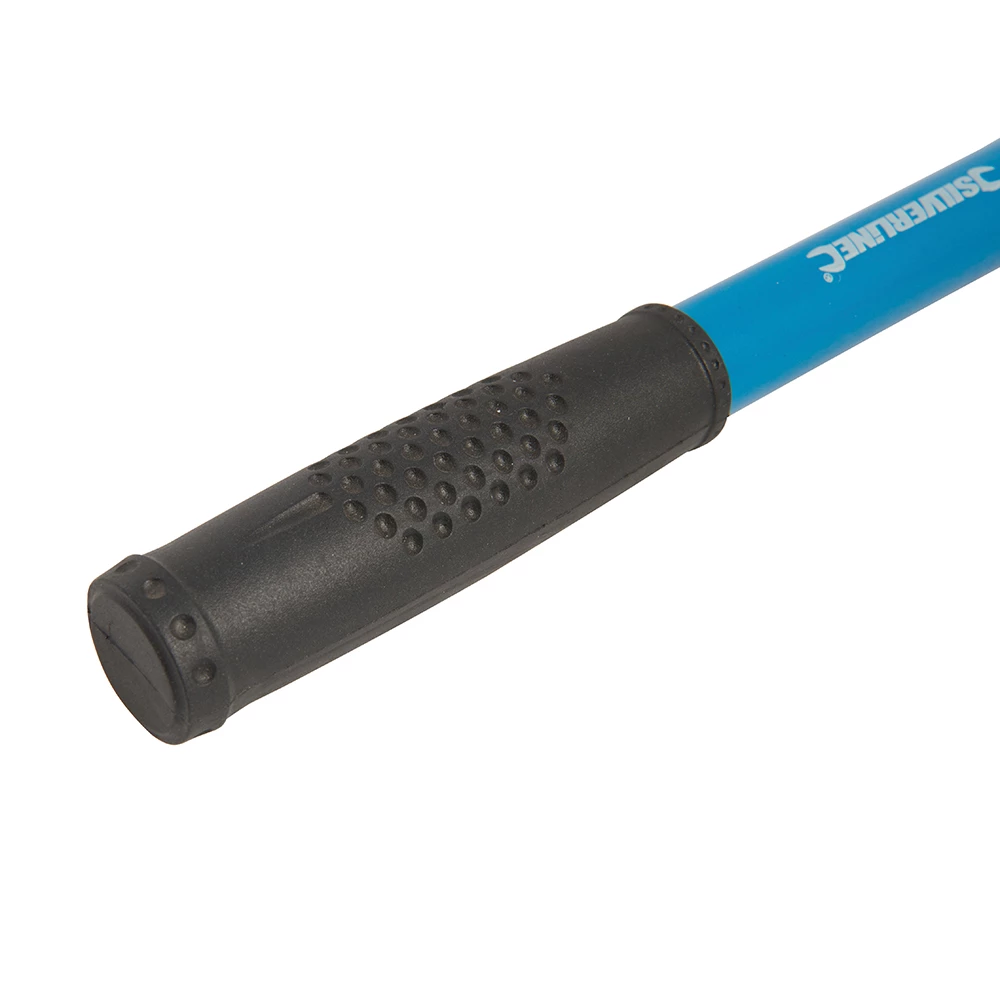
- Heavy Duty Scraper for Paint and Epoxy Resin Removal – For controlled, safe scraping of cured residue.
- “Epoxy Polish” – Epoxy Resin Polishing System – To restore glossiness after residue is cleared.
- Protective gloves and eye protection
- Lint-free cloths or sponges
View Techniques for Epoxy Residue Removal
Explore visual guides and real-life project examples demonstrating safe epoxy residue removal with the best cleaning and polishing methods. See before-and-after transformations and proven approaches for spotless results.
Step 1: Wear Protective Gear and Prepare the Area
Wear protective gloves and ensure good ventilation before starting. Epoxy residues and cleaning products can be harsh on skin or produce fumes; using gloves and working in a well-ventilated space helps keep the process safe. Remove loose dirt or dust from the surface using a dry, clean cloth, so that only the epoxy residue remains to be treated.
Step 2: Act Quickly with Fresh Epoxy Spills
If you notice the residue before it has fully cured, take immediate action. Use a lint-free cloth to blot (not wipe) the excess, being careful not to spread the resin. Fresh spills are usually easier to remove, so act quickly if residue is fresh. For sticky or semi-cured epoxy, apply a small amount of Pure Isopropyl Alcohol 99.9% to the area, allowing it to soften the residue for easier lifting. Always test on an inconspicuous area before applying isopropyl alcohol to delicate surfaces.
Step 3: Remove Cured Epoxy Residue via Scraping
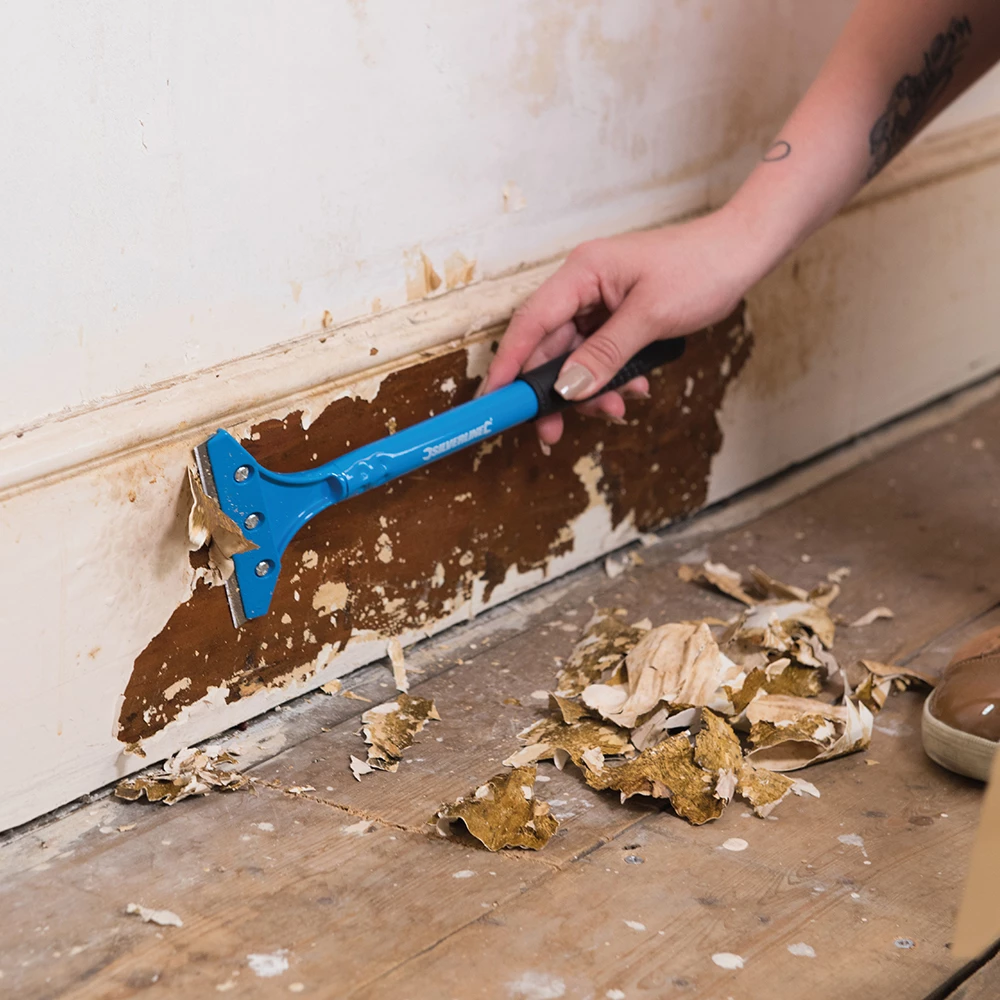
For hardened or cured epoxy drips, mechanical removal may be necessary. Use a Heavy Duty Scraper for Paint and Epoxy Resin Removal held at a shallow angle for controlled, careful lifting. Scrape only when resin is partially cured, as this is when it will often come away in strips without shattering or scratching the surface below. For very stubborn spots on robust surfaces, slight pressure and repeated passes work best—avoid forceful prying, which may cause substrate damage.
Step 4: Use Gentle Solvents for Final Cleaning
After physical residue is removed, remaining thin films or sticky areas often respond to mild solvents. Dampen a cloth with Strong Technical Degreaser for Resin Projects, and gently work across the affected area. The natural, plant-based formulation is suitable for multi-surface cleaning, including on skin and delicate materials. Alternatively, apply a minimal amount of isopropyl alcohol to deal with tough patches. Gently clean with suitable solvents and repeat as needed, allowing surfaces to air dry thoroughly.

Step 5: Polish for a Flawless Finish
If the area looks dull, scratched, or uneven after removal, you can restore clarity and shine as a final step. Using a product like the “Epoxy Polish” – Epoxy Resin Polishing System, apply the polish as per instructions—either manually with a pad or using a polishing tool. This step smooths out micro-scratches and revives the glossy finish, blending the work seamlessly with the rest of your surface. Polish for a flawless finish and eliminate any last traces of residue for a professional result.
Tips to Avoid Damage and Common Mistakes
Always test cleaning products on a small, inconspicuous area to check for compatibility. Avoid using harsh abrasives or excessive force, especially on soft or decorative surfaces. For fresh spills, prompt action is essential—fully cured resin is much more challenging to remove. Never mix different chemicals, and always follow safety instructions on product labels. Proper preparation and patience lead to the best results when removing epoxy residue.
Expert Advice for Flawless Epoxy Cleaning
Discover tips from resin experts and artists to perfect your cleaning technique. Browse more cleaning supplies and accessories for specific resin types and avoid common cleaning mistakes for lasting results.
- Strong Technical Degreaser for Resin Projects – 100% Natural FormulaOriginal price was: £10.95.£9.45Current price is: £9.45.A gentle, natural degreaser suitable for epoxy resin projects and various surfaces without damaging skin or materials.
- Pure Isopropyl Alcohol 99.9% – 1000ml Bottle for Epoxy Resin Projects & DIYPrice range: £10.45 through £20.95Pure Isopropyl Alcohol 99.9% is used in epoxy resin projects for bubble removal and creative effects, fitting the theme of removing epoxy residue.
- Heavy Duty Scraper for Paint and Epoxy Resin Removal£8.95Heavy Duty Scraper designed for controlled removal of paint, tiles, and resin residue in DIY and renovation tasks.
- "Epoxy Polish" – Epoxy Resin Polishing SystemPrice range: £18.95 through £47.45"Epoxy Polish" is designed for polishing epoxy resin and similar surfaces to restore a mirror-like shine with ease.
Frequently Asked Questions
Can I remove epoxy residue without damaging the surface?
Yes, using gentle solvents and careful scraping minimises the risk. Always test products on a hidden section first for peace of mind.
What is the best time to remove epoxy residue?
The easiest time is before the epoxy has fully cured, but even hard residue can be tackled with suitable scraping and cleaning products.
Which cleaner works for epoxy residue and is it safe?
Products like Strong Technical Degreaser are formulated to be skin-safe, plant-based and effective for most surfaces.
How should I remove epoxy residue from delicate materials?
Always start with the mildest cleaner and gentle wiping. Test all products beforehand and avoid excessive scraping on delicate areas.
Can I use isopropyl alcohol on all surfaces?
While isopropyl alcohol is effective, always test a small spot first, especially on painted or sensitive finishes.
Should I polish surfaces after removing epoxy residue?
Polishing restores shine and eliminates minor abrasions caused during residue removal, resulting in a professional finish.
Can I use household cleaners to remove epoxy residue?
Most general household cleaners are not effective for cured epoxy. Specialised resin removers and degreasers yield better results.