 Free shipping on orders over £29,85
  Shipping Tracking!


 Google
 Facebook
← Back to How to put resin on a violin bow?
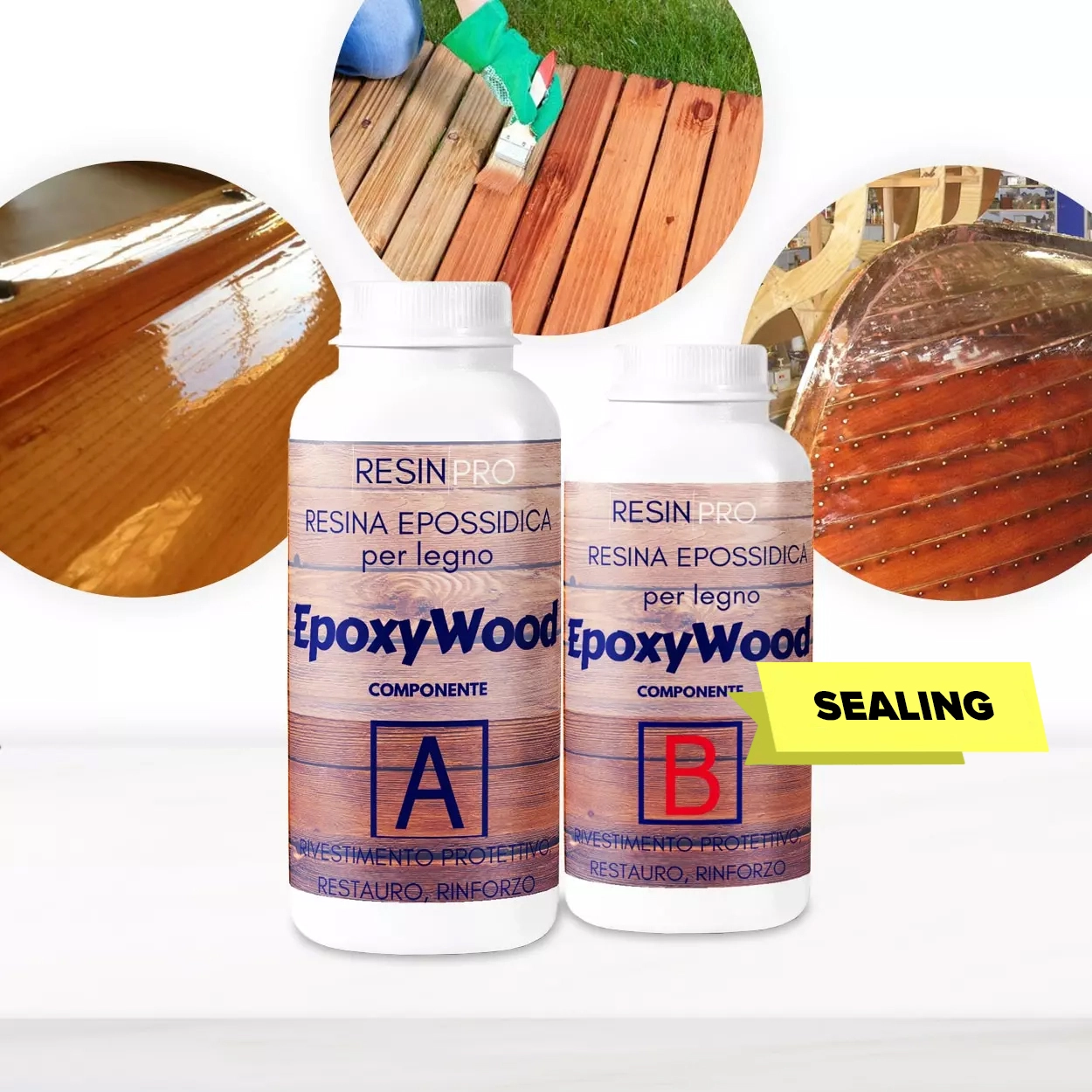
If you’re looking to protect or restore a wooden bow, choosing the right resin is essential for safeguarding the wood and ensuring long-lasting performance. Here’s what to consider when selecting resin for violin bows and how best to use it.
Why Deep-Penetrating Epoxy Matters
For wooden bows, a deep-penetrating epoxy resin provides both protection and reinforcement. This type of resin filters into the wood’s pores, strengthening the structure from within and helping to ward off moisture. Products such as EpoxyWood are specifically crafted for these needs, offering a solvent-free solution that waterproofs and bolsters the wood’s natural resilience.
Application Tips for Wooden Bows
Before applying any resin, it’s vital the bow is dry and well-sanded. Apply a thin layer, allowing it to deeply soak into the wood fibres for even coverage. Avoid thick coatings, as these may obscure the wood’s appearance or affect its responsiveness. Gradual layering and attention to detail will help maintain the bow’s balance and aesthetic, enhancing longevity without compromising playability.
When This Approach Matters Most
Using a deep-penetrating epoxy resin is especially worthwhile for antique bows, bows exposed to humid conditions, or those showing early signs of wear. It’s also beneficial for anyone seeking to prolong the lifespan of a valued wooden bow with minimal visible alteration.
Related products
Related guides
By selecting the correct resin and applying it with care, you can ensure your wooden bow retains its strength and beauty for years to come. For more specialist advice on resin usage, see the main guide on how to put resin on a violin bow.