 Free shipping on orders over £29,85
  Shipping Tracking!


 Google
 Facebook
Where to Dispose of Polyester Resin
Guidance on safe disposal and alternative resin project options

If you work with polyester resin, understanding how to dispose of it safely is crucial for both environmental protection and compliance with local regulations. This page is designed for DIY enthusiasts, artists, and professionals who want clear, practical guidance on responsible resin disposal and want to explore safer, more sustainable alternatives for creative projects.
Overview: Polyester Resin Disposal and Alternative Approaches
Disposing of polyester resin requires careful consideration due to its chemical properties and potential environmental impact. Unlike some fully cured resins, polyester resin—especially in its liquid or uncured state—cannot be thrown away with household waste. Most local authorities classify it as hazardous due to its toxicity and the flammable nature of its solvent components. In contrast, alternative resin technologies, such as epoxy and polyurethane systems, differ in both handling and end-of-life recommendations. Choosing safer and lower-impact resin products, where possible, can reduce the long-term challenges of disposal and user exposure risk.

Why Proper Resin Disposal Matters
Improper disposal of polyester resin can harm local water sources and pose risks for waste handlers. Following responsible disposal practices protects the environment and ensures compliance with legal guidelines for hazardous materials.
Strong Technical Degreaser for Resin Projects – 100% Natural Formula
When it comes to cleaning up resin residues—whether from tools, surfaces, or containers—Strong Technical Degreaser for Resin Projects – 100% Natural Formula provides an environmentally gentle solution. This degreaser is formulated from solvent-free plant extracts, making it ideal for those who want to minimise harsh chemical use during post-resin project clean-up. It’s dermatologically tested and safe for use on skin, as well as a wide range of surfaces including stainless steel, aluminium, ceramics, and fabrics. This product supports a more responsible approach to resin work by ensuring waste residues are dealt with safely and efficiently.
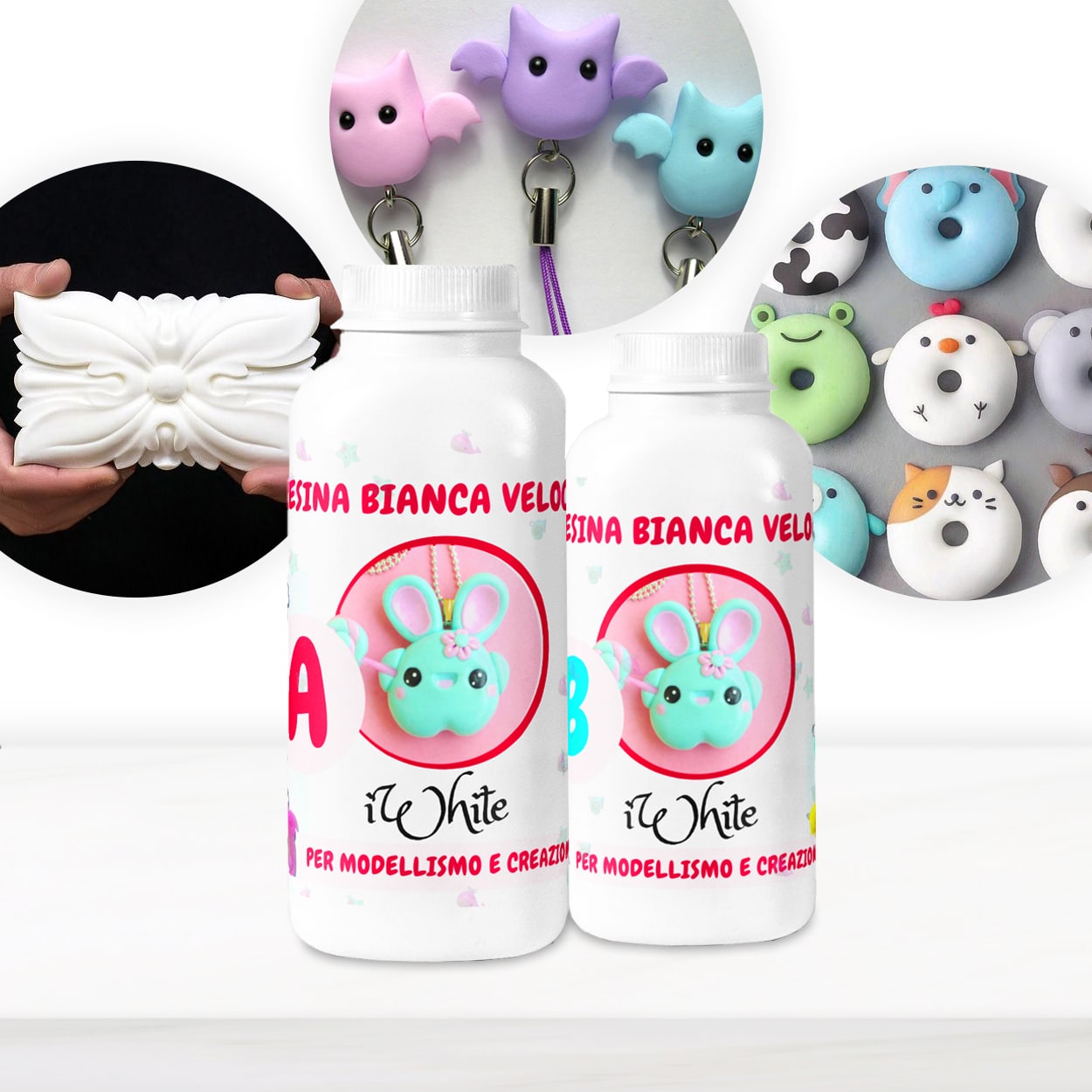
“IWhite” – Polyurethane Casting Resin – White, Fast-Curing Two-Part System
“IWhite” – Polyurethane Casting Resin – White, Fast-Curing Two-Part System offers a modern alternative to polyester resin, especially for quick, intricate castings and models. Polyurethane resins like IWhite cure rapidly, producing less odour and lower emissions compared to traditional polyester systems. Although uncured polyurethane resin is still classed as hazardous, once fully cured, it can be disposed of more safely in accordance with local non-hazardous waste regulations. Always check with your local waste authority for confirmation before disposal, and never pour leftover uncured resin down the drain.
“Trasparente” – Multipurpose Clear Epoxy Resin for Casting – Up to 2cm
If clarity, environmental safety, and versatility are key to your projects, “Trasparente” – Multipurpose Clear Epoxy Resin for Casting – Up to 2cm is an excellent epoxy-based alternative. This non-toxic, solvent-free system produces brilliant, crystal-clear castings and is widely used for smaller items, jewellery, and creative DIY work. Epoxy resins are generally less hazardous after curing, and cured waste pieces can often be disposed of with general waste, provided no compressed solvents or hazardous pigments are included. For responsible handling, always follow the safety instructions and aim to minimise leftover product through careful mixing and usage.
“EpoxyTable 5-Five” – Deep Pour Epoxy Resin for Tables and Large Projects – Up to 5cm
For furniture and large format creative castings, “EpoxyTable 5-Five” – Deep Pour Epoxy Resin for Tables and Large Projects – Up to 5cm provides a safer, more manageable alternative to polyester systems. It allows for thick pours with low heat and minimal yellowing, supporting easier post-use cleaning and lower risk of hazardous chemical release versus polyester alternatives. While epoxy still requires responsible handling and cannot be poured down drains in liquid form, disposal of fully cured epoxy offcuts is generally less regulated, making workshop clean-up considerably safer and more sustainable.
Best Practices for Responsible Resin Disposal
Whether you are using polyester, epoxy, or polyurethane resins, it is essential to avoid pouring unused, uncured resin into household drains or general rubbish. Always collect liquid waste in a sealed, labelled container and consult your local recycling centre or hazardous waste collection facility for approved disposal methods. For cured resin scraps, check with your council’s advice—most cured resins are considered inert and can be placed with standard waste, but always err on the side of caution. Investing in natural cleaning solutions and minimising leftover product can also reduce your environmental impact and maintain a safer workspace.
Eco-Friendly Habits for Resin Users
Switching to biodegradable cleaners and precise mixing can significantly reduce resin waste. Choose products that minimise residual hazards and always clean tools promptly to lower environmental impact.

- Strong Technical Degreaser for Resin Projects – 100% Natural FormulaOriginal price was: £10.95.£9.45Current price is: £9.45.Strong Technical Degreaser is a gentle, natural cleaner suitable for various surfaces and resin projects under the theme of polyester resin disposal.
- “IWhite” – Polyurethane Casting Resin – White, Fast-Curing Two-Part SystemPrice range: £24.00 through £36.95IWHITE is a fast-curing, highly fluid polyurethane resin suitable for detailed casting and rapid prototyping.
 "Trasparente" – Multipurpose Clear Epoxy Resin for Casting – Up to 2cmPrice range: £8.95 through £397.95"Trasparente" is an ultra-clear epoxy resin suitable for casting up to 2cm, used in woodworking, art, and restoration projects with a self-levelling…
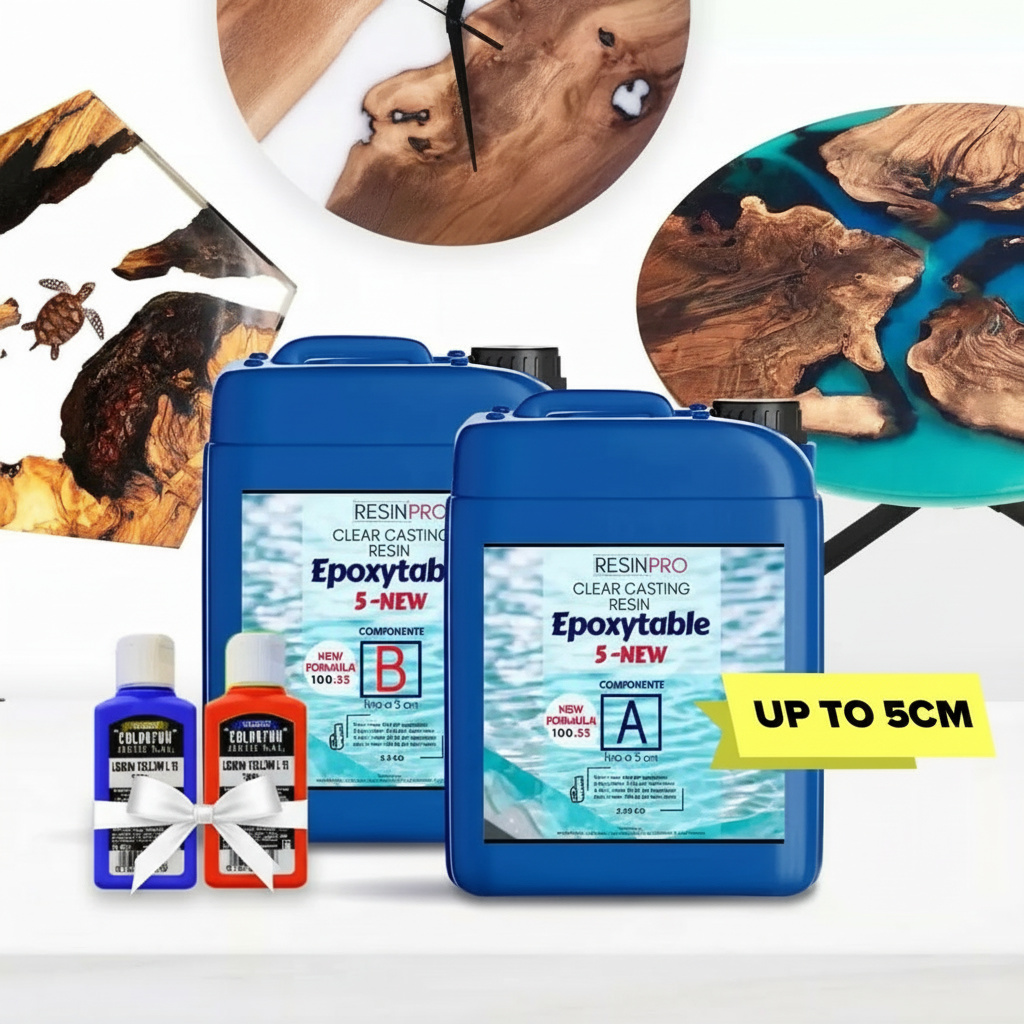 "EpoxyTable 5-Five" – Deep Pour Epoxy Resin for Tables and Large Projects – Up to 5cmPrice range: £17.95 through £1,154.95"EpoxyTable 5-Five" offers a low-viscosity, non-yellowing deep pour resin designed for tables and larger creative projects.
Frequently Asked Questions
How do I dispose of polyester resin in the UK?
Take uncured polyester resin to a licensed hazardous waste facility. Never pour it down drains or place it in regular bins.
Is cured polyester resin considered hazardous?
Fully cured polyester resin is typically inert and may be disposed with general waste, but confirm with your local authority.
Are epoxy resins safer alternatives to polyester?
Epoxy resins are generally less hazardous after curing and may offer easier disposal for project scraps compared to polyester resin.
What's the best way to clean up after working with resin?
Use a natural degreaser designed for resin residues to clean tools and surfaces safely, avoiding harsh chemical solvents.
Is polyurethane resin easier to dispose of than polyester resin?
Uncured polyurethane is hazardous, but once cured, disposal is often less restrictive than for polyester. Always follow local rules.
What are the risks if polyester resin is poured down the drain?
Resin can block pipes and contaminate water supplies, making it unsafe for people and wildlife. Always dispose at proper facilities.