 Free shipping on orders over £29,85
  Shipping Tracking!


 Google
 Facebook
← Back to How to create a sea wave effect with epoxy resin?
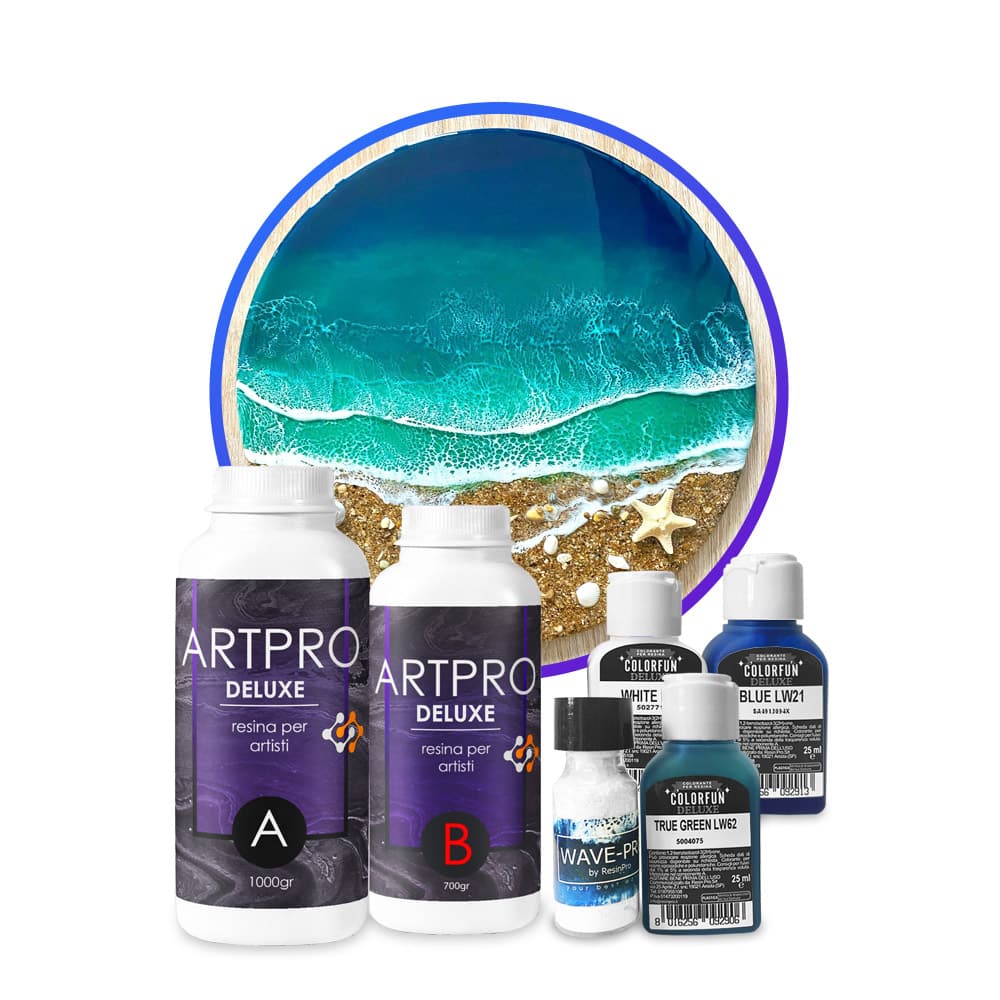
Choosing the right base is the first step to creating stunning ocean-inspired resin art. Your surface selection influences both the look and durability of your finished piece.
Popular Bases for Ocean Resin Art
The most common surfaces for ocean-themed resin art are MDF boards and plywood coasters. These materials offer excellent stability, making them reliable for layered pours and detailed effects. Sturdy wooden bases minimise warping and support the weight of cured resin, so your artwork remains flat and smooth.
- MDF boards: Affordable and smooth, ideal for larger art panels.
- Plywood coasters: Great for smaller projects and gifts, with a natural wood finish that adds warmth.
- Canvas panels: Especially easy to use when included in complete kits, as they are pre-prepared for direct resin application.
Tips for Preparing Your Surface
To prevent leaks and ensure the resin adheres well, it’s important to seal and level your chosen base. MDF and plywood should be primed or gessoed before pouring resin—this helps avoid absorption and provides a suitable surface for vibrant wave effects. Canvas panels supplied in kits, such as those in the Sea Resin Kit, are ready to use out of the box, saving you preparation time.
When Surface Choice Matters
Your base matters most if you plan to use thick layers, create multiple pours, or display your resin art in variable conditions. Sturdier surfaces, such as MDF or plywood, are less prone to flex or warp after curing, making them an excellent choice for long-lasting ocean effects.
Related products
Related guides
With the right foundation—like MDF, plywood, or a canvas panel—you’ll set yourself up for success in creating captivating sea wave effects with epoxy resin. For more ideas and a full guide, see our main guide on how to create a sea wave effect with epoxy resin.