 Free shipping on orders over £29,85
  Shipping Tracking!


 Google
 Facebook
← Back to How to make a silicone-free eraser?
If you’re creating a silicone-free eraser, being selective with your materials is essential. Choosing the wrong supplies can compromise the eraser’s purity and effectiveness.
Key Materials to Exclude
To ensure your eraser remains completely free from silicone, avoid using any moulds, tools, or additives that may contain silicone in any form. Silicone residues, coatings, or even cross-contamination from previous projects can defeat the purpose of a silicone-free eraser, so thorough cleaning and material checks are vital.
- Steer clear of commercial silicone moulds, as even trace amounts can transfer during moulding.
- Avoid finished or coated surfaces designed to be non-stick unless you are sure they are non-silicone based.
- Check your mixing implements and containers; do not use anything previously used with silicone products.
Alternative Materials and Tools
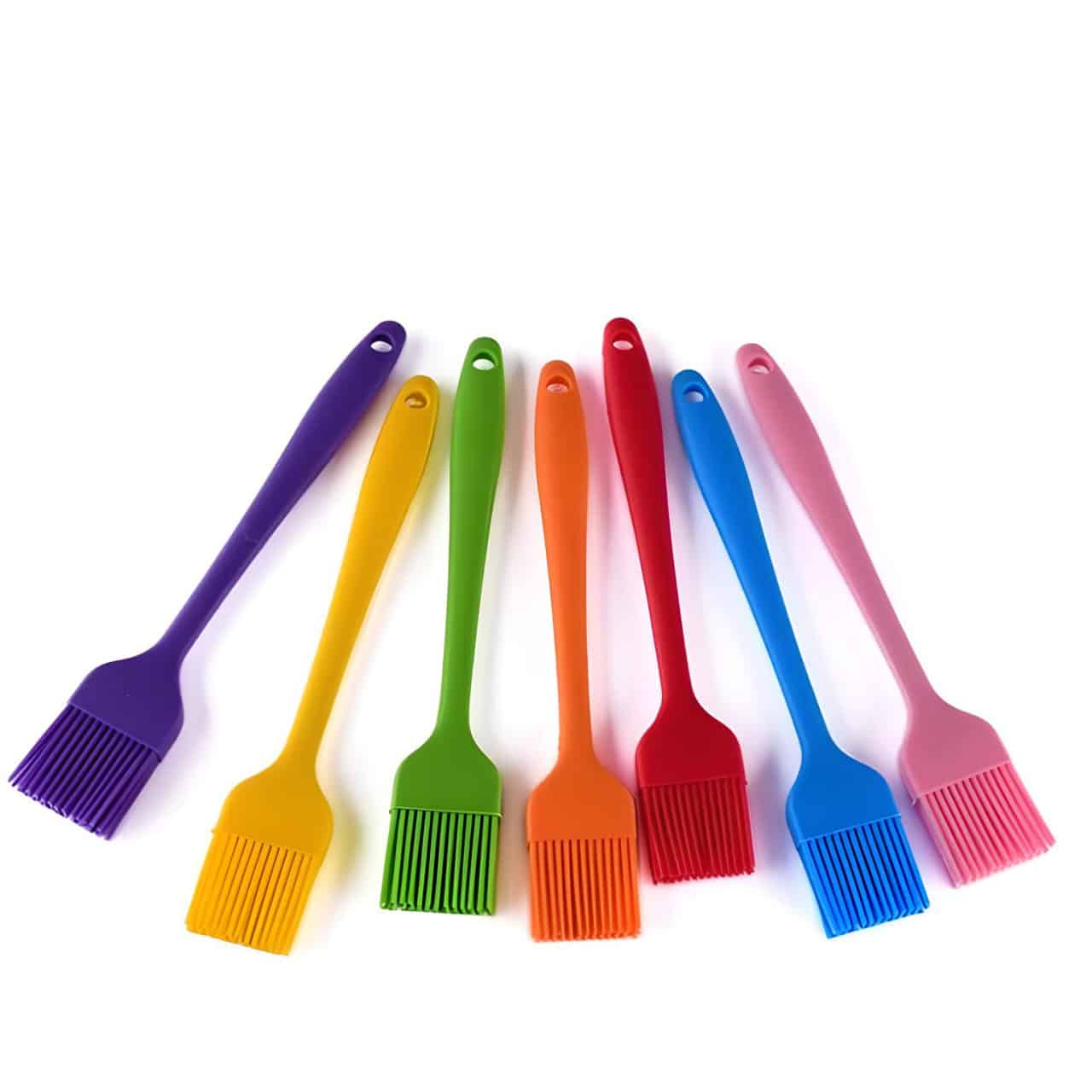
Opt for materials like plastics, metals, or untreated woods for your moulds and tools, as these are far less likely to introduce silicone contamination. Carefully vet all additives and fillers to make sure they are free from silicone derivatives. Consider using a clean, reusable brush, such as the Reusable Silicone Resin Brush for Epoxy Art and Wood Applications, only if your project isn’t strictly silicone-free regarding application tools. For strict silicone-free projects, use alternatives like nylon or natural bristle brushes.
When This Matters Most
Being precise about excluded materials is especially important if the eraser will be used in sensitive environments or by people with silicone allergies. Artists, crafters, or anyone making erasers for children or educational settings should pay extra attention to avoiding silicone at every stage.
Related products
Related guides
Careful selection and handling of every component help keep your silicone-free eraser truly pure. For a full guide on crafting erasers without silicone, explore our main page on how to make a silicone-free eraser.