 Free shipping on orders over £29,85
  Shipping Tracking!


 Google
 Facebook
← Back to What is the difference between thermoplastic and thermosetting resins?
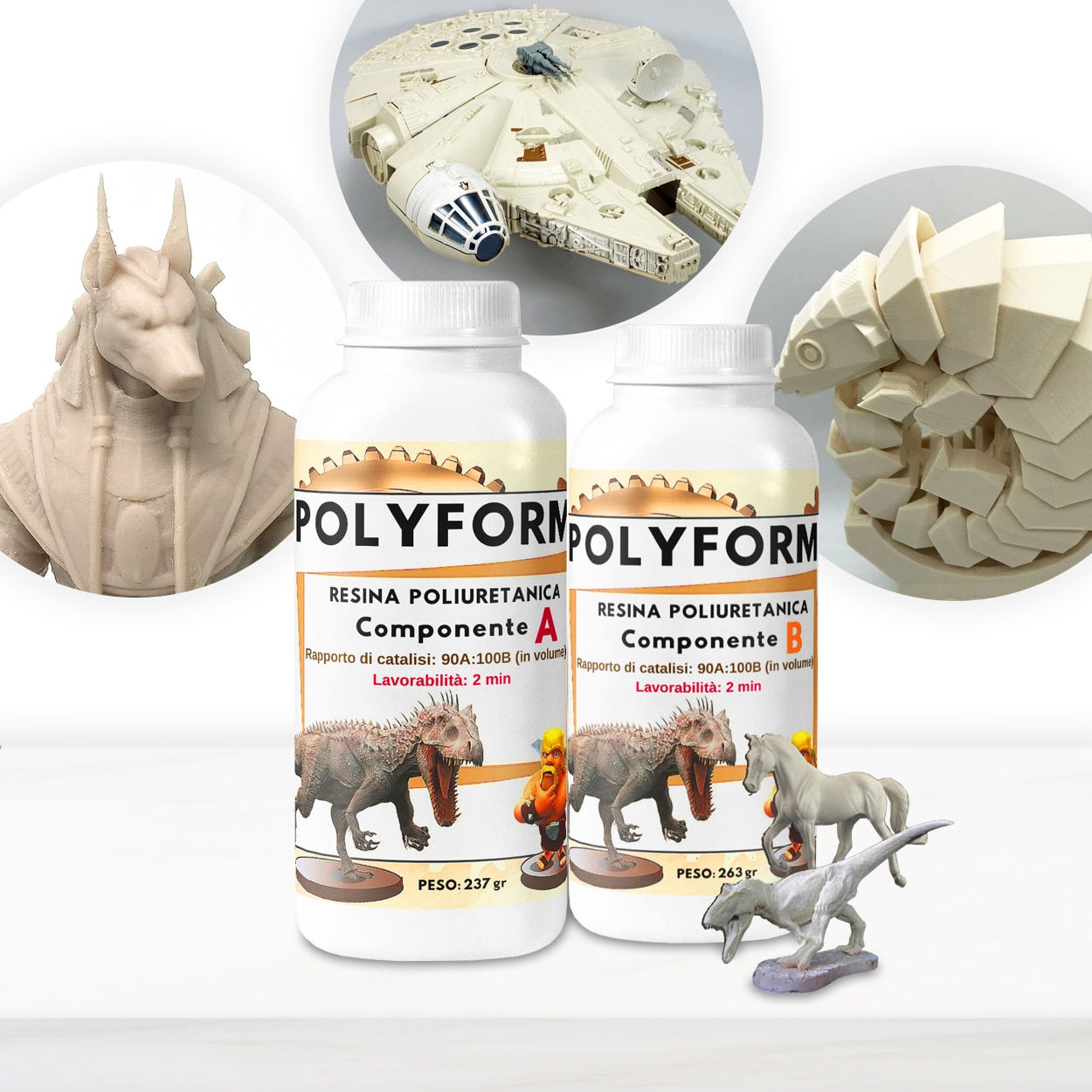
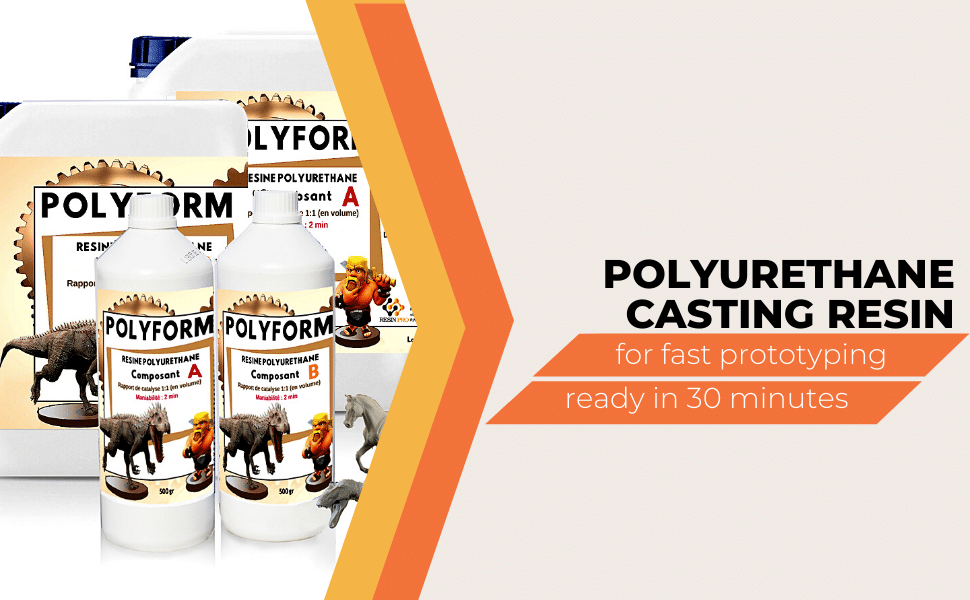
Fast prototyping demands materials that not only cure quickly but also capture fine details and provide reliable durability. Choosing the right resin can make your prototyping process more efficient and effective.
Why Thermosetting Polyurethane Is Favoured
For rapid prototyping, thermosetting polyurethane casting resins such as Polyform are often the top choice. Unlike thermoplastic resins, which require heat to shape and can soften again when reheated, thermosetting resins irreversibly solidify when mixed and cured. This means you get robust, highly detailed models that remain stable and true to form.
- Rapid curing: Set in roughly 5 minutes, with demoulding possible after about 30 minutes.
- Detail accuracy: The high fluidity of products like Polyform allows precise replication in silicone moulds.
- Durability: Once cured, thermosetting resins offer hardness and wear resistance suitable for trial parts.
Practical Guidance for Fast Prototyping
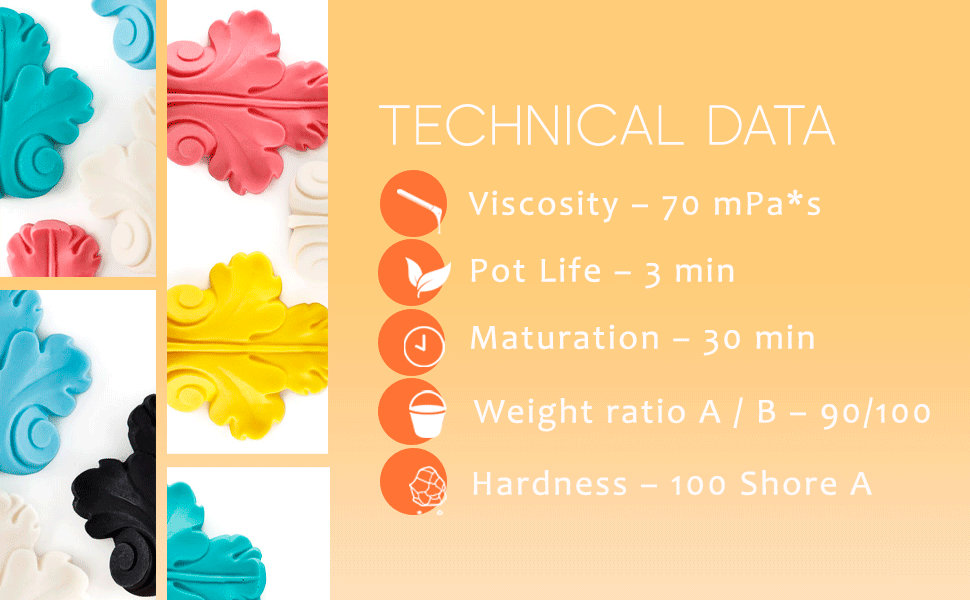
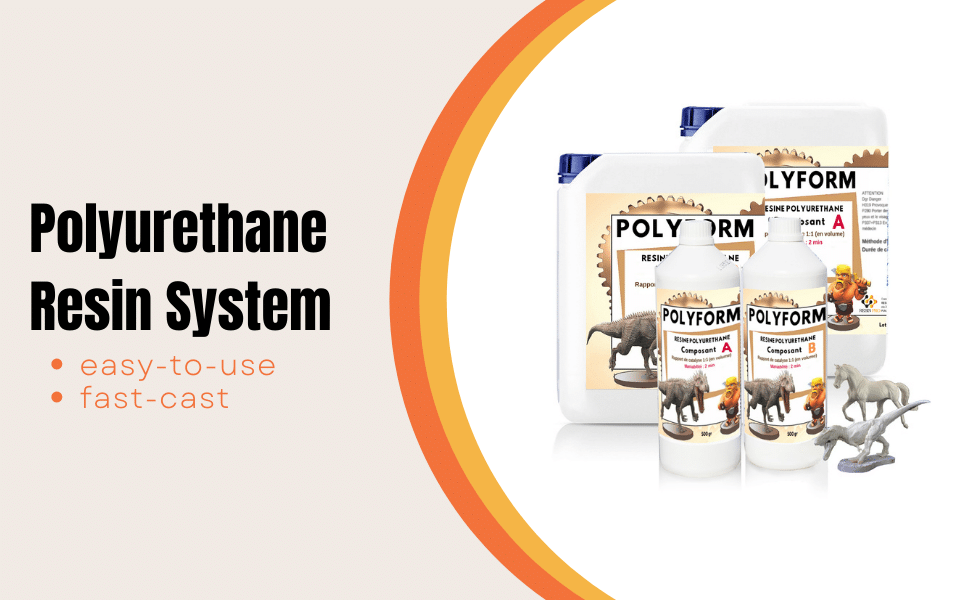
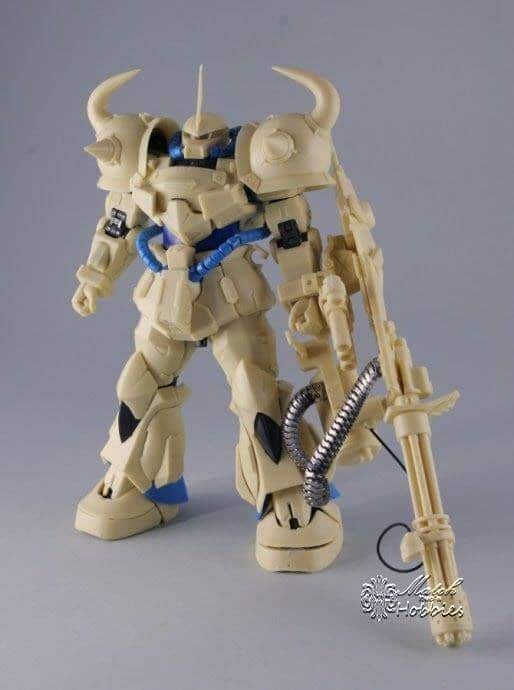
When working under tight deadlines or producing several prototypes, ease of use and fast turnaround are critical. Polyurethane casting resins are straightforward—just mix components A and B by weight (for Polyform, a 90/100 ratio is recommended) and pour into your mould at room temperature above 8–10°C. Demoulding within half an hour lets you quickly proceed to testing or further processing. Note that this type of resin generally isn’t suitable for colouring with dyes, so plan for its neutral beige finish or surface painting after curing.
When Speed Matters Most
Choosing a fast-curing thermosetting resin really pays off when you’re iterating designs, need swift functional models, or are producing small runs of test parts. Its quick turnaround and detailed finishing make it an essential tool in professional workshops as well as hobbyist maker settings.
Related products
Related guides
Selecting the right resin—especially a fast-curing thermosetting polyurethane—streamlines your prototyping process and ensures models are ready in minutes. To learn more about how different resin types stack up, see our main guide on thermoplastic vs thermosetting resins.