 Free shipping on orders over £29,85
  Shipping Tracking!


 Google
 Facebook
← Back to Is the resin toxic once hardened and can it affect food?
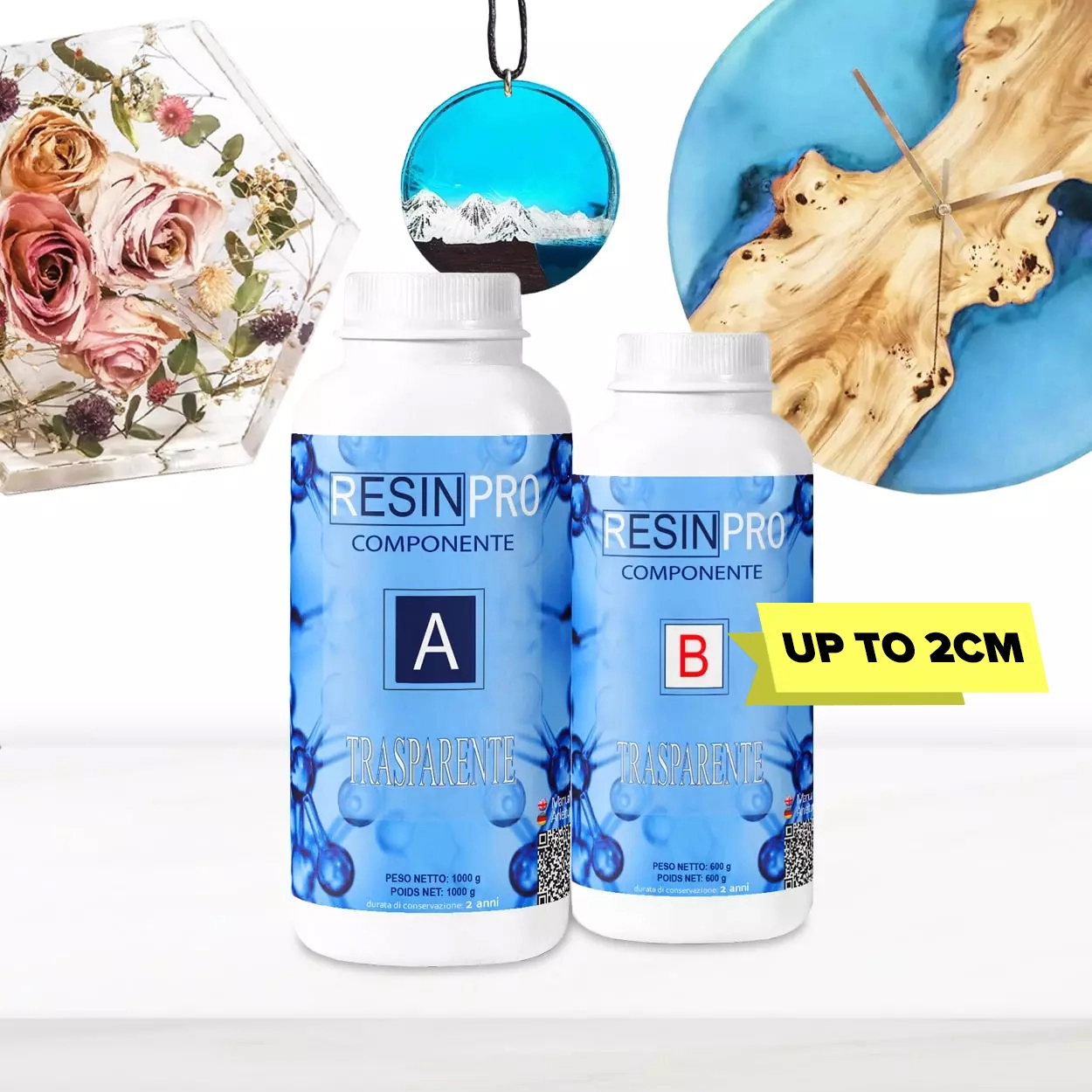
Not all resins are designed for direct contact with food. Using uncertified resins for kitchenware or food surfaces may risk transfer of undesirable substances. Below, we explain which resins to avoid for food contact, and how to identify safe alternatives for culinary use.
Resins That Should Not Touch Food
Some commonly used resins, such as “Trasparente”, “Icrystal”, “EpoxyTable 5-Five”, and “NatuResin”, are not certified for food contact. While these resins are often described as non-toxic and safe once cured, their safety is proven only for decorative and structural purposes—not for surfaces where food is prepared or served. Unless a product is specifically certified for food contact, it is unsuitable for direct food exposure.
How to Choose Safe Resins for Food Use
When selecting a resin for items such as serving boards, coasters, or utensils, look for manufacturers who provide clear certification for food contact compliance. For instance, “EpoxyFood” – Certified Clear Food Contact Epoxy Resin for Coating is independently tested and suitable for kitchenware like plates and chopping boards, provided it is mixed and cured as directed. Avoid using generic or multi-purpose resins unless food contact approval is explicitly stated.
When This Matters Most
- Coating surfaces where food is placed directly, such as cheese boards or serving platters.
- Crafting cups, bowls, or utensils intended for serving food or drink.
- Projects involving children or sensitive individuals who may put items in their mouths.
Related products
Related guides
For any project where safety is paramount, always choose resins certified for food contact. For more guidance on resin use and kitchen safety, see our detailed information on resin toxicity and food contact.