 Free shipping on orders over £29,85
  Shipping Tracking!


 Google
 Facebook
Which types of paint should be avoided for resinous woods?
Essential guidance for safe resin and paint choices on tricky wood


When working with resinous woods, choosing suitable paint or resin systems isn’t just about appearance—it’s crucial for achieving strong adhesion, long-term durability, and professional results. This page is designed for artists, furniture restorers, and DIY enthusiasts seeking reliable advice on avoiding paint problems with resinous wood projects, as well as the best resin and staining products for safe, lasting applications.
Overview: Avoiding Paint Pitfalls on Resinous Woods
Resinous woods—such as pine, spruce, and certain tropical timbers—contain natural oils and resins that can interfere with paint adhesion and resin curing. Common paint problems include peeling, bubbling, or uneven curing. Water-based and acrylic paints are particularly risky, as their chemistry often clashes with the oils found in resinous woods and with many epoxy resin systems. Instead, using epoxy formulations specifically designed for wood, or appropriately formulated stains, is key to a resilient and beautiful finish. Selecting the right product prevents disappointment and preserves your work for years to come.

Visual Guide: Resinous Wood Paint Compatibility
See examples of correct and incorrect paint-resin pairings on resinous woods. Notice how acrylic and water-based paints may lift or bubble, while compatible resins and stains adhere with a smooth, professional finish.
“Art Pro Deluxe” – Ultra-High Viscosity Epoxy Resin for Artists
Art Pro Deluxe is formulated for artists requiring precise line control on wood and resinous surfaces. Its ultra-high viscosity prevents unwanted colour mixing, essential for intricate resin art and geode effects. This resin should not be used with acrylic paints or water-based dyes, as these can interfere with the curing process and diminish adhesion. Designed for clear, self-levelling layers and edge-defining pours, it provides high scratch resistance and offers a 10-year UV warranty against yellowing. This product ensures gallery-quality results while explicitly avoiding problematic paint types for resinous woods.
“EpoxyWood” – Wood Restoration Epoxy Resin for Deep Penetration and Waterproofing
EpoxyWood is a specialist solution for deep penetration and long-term protection of wooden and resinous surfaces. Its ultra-low viscosity allows it to soak into the wood structure, reinforcing it and providing a waterproof, straw-yellow finish. While it is not intended for thick castings or decorative finishes, EpoxyWood forms a robust barrier that shields wood from moisture and paint-related issues. It eliminates many problems caused by incompatible paints by sealing the surface and making a perfect base for further finishing if required.
Wood Stain for Wooden Surfaces – 250ml Water-Based
Wood Stain for Wooden Surfaces is a water-based, non-toxic stain designed to enhance and protect wooden surfaces. Crucially, when using this stain on resinous woods, it is compatible with certain resin systems and preferred over solvent-based or acrylic paints, which can cause adhesion or curing failures. Its quick 10-minute drying time and impressive coverage (12m² per litre) make it a practical choice for both new and aged woods in resin art or woodworking, provided that the final layer is compatible with both the stain and the resin involved.
“Epoxytable 10-Ten” – Deep Pour Epoxy Resin for Tables, Up to 10cm Casting
Epoxytable 10-Ten is engineered for deep pour applications, such as live-edge tables or high-thickness artistic castings involving resinous woods. Its low exothermic reaction and UV stability address the challenges posed by resin-rich wood and large project size. For thick castings, multiple layer application is recommended. While this resin is highly versatile, always avoid pairing it with water-based or acrylic paints that are not specifically designed for epoxy compatibility, as these may compromise the bonding and clarity.
Additional Tips: Achieving Reliable Results on Resinous Woods
Preparing resinous wood surfaces properly is the first step towards a flawless, durable finish. Always sand and thoroughly dry the surface before application, as moisture and resin exudates can prevent binding. Avoid water-based and standard acrylic paints unless specifically formulated for use under resins. Choose solvent-free, non-toxic resin products or compatible wood stains to maximise the natural beauty of the grain while protecting against paint adhesion problems. Testing a small patch before full application is highly recommended for critical projects.
Before and After: Surface Preparation Effects
Compare resinous wood surfaces before and after using proper resins and stains. Notice the clarity, adhesion, and enhanced grain achieved by following recommended product choices and preparation methods.

- "Art Pro Deluxe" – Ultra-High Viscosity Epoxy Resin for ArtistsPrice range: £35.95 through £302.45"Art Pro Deluxe" offers ultra-high viscosity resin for precise control in resin art with a clear, self-levelling finish and scratch resistance.
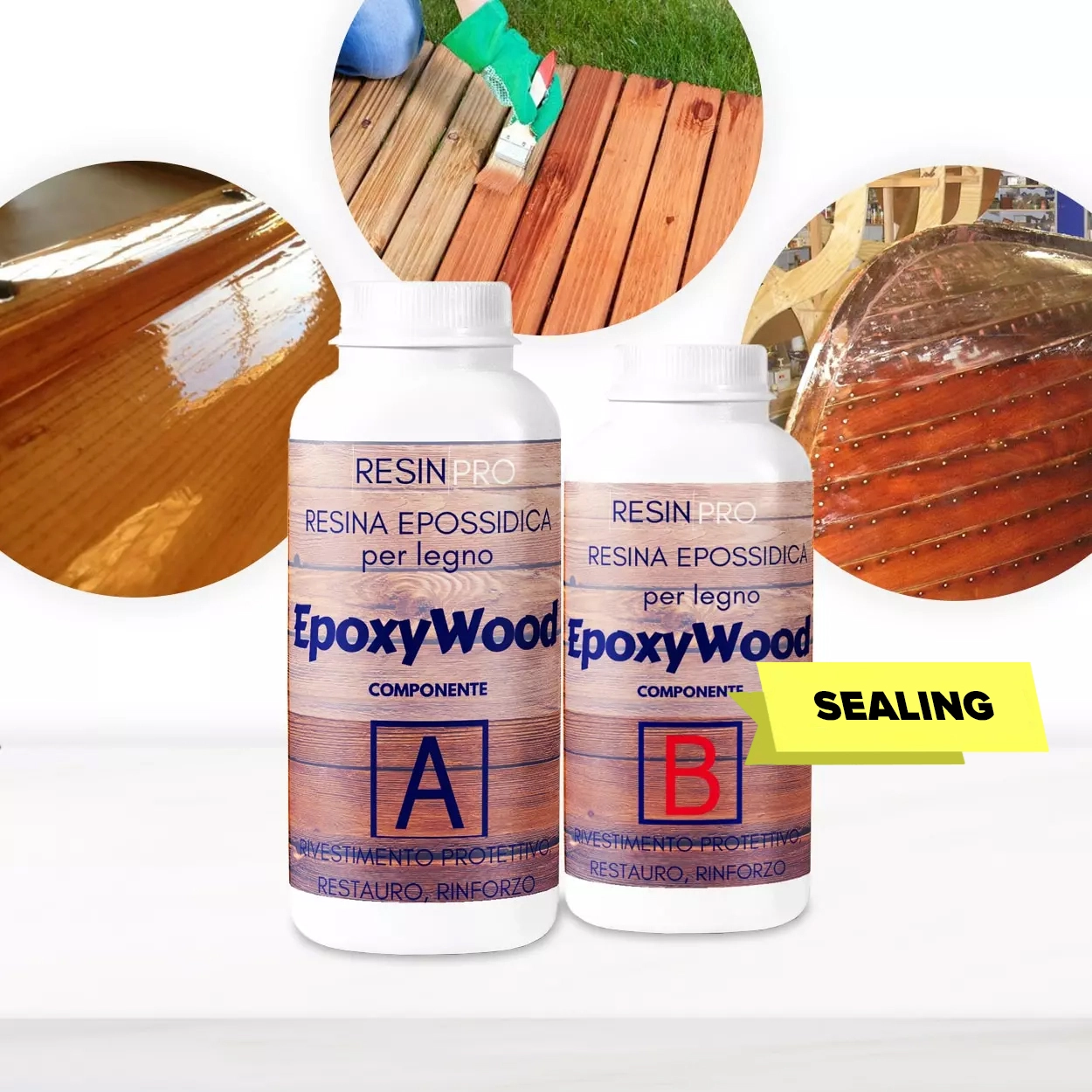 "EpoxyWood" – Wood Restoration Epoxy Resin for Deep Penetration and WaterproofingPrice range: £27.95 through £41.95"EpoxyWood" epoxy resin is designed for wood restoration with deep penetration and waterproofing, suitable for crafts and marine use.
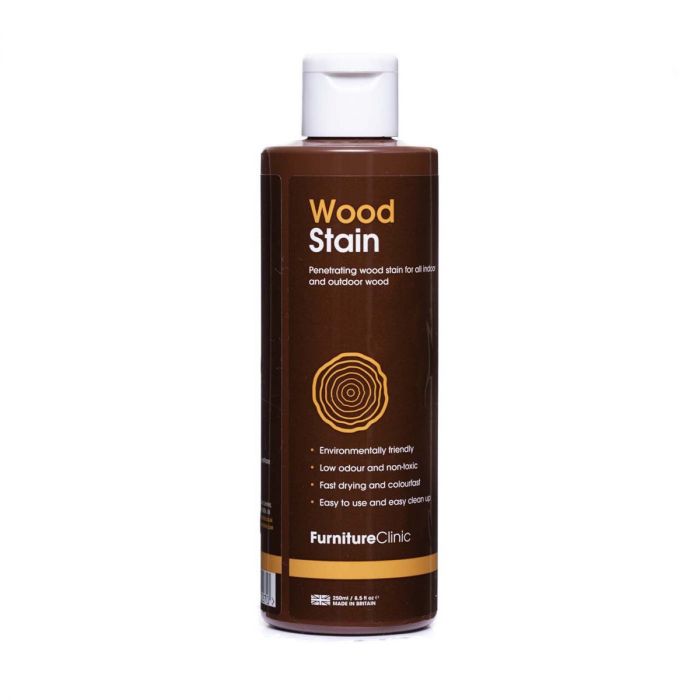 Wood Stain for Wooden Surfaces – 250ml Water-Based£12.45Water-based wood stain suitable for enhancing wooden surfaces in resin art projects with fast drying and good coverage.
 “Epoxytable 10-Ten” – Deep Pour Epoxy Resin for Tables, Up to 10cm CastingPrice range: £35.95 through £351.95“Epoxytable 10-Ten” is an epoxy resin for deep pouring up to 10cm, suitable for tables and artistic projects matching this theme.
Frequently Asked Questions
Which paints should not be used on resinous woods?
Acrylic and water-based paints are best avoided unless specifically formulated for use with resin, as they may not adhere well to resinous wood surfaces.
Can I use acrylic paint under or with epoxy resin?
Standard acrylic paints are generally not suitable as a base for epoxy resin, particularly on resinous woods, due to adhesion and curing issues.
Do I need to prepare resinous wood surfaces before applying resin?
Yes, always sand and ensure the wood is completely dry before resin application to promote adhesion and prevent curing problems.
Are water-based stains safe to use with epoxy resin?
Specially formulated water-based stains are often compatible with resin, but checking product guidance and performing a small test area is recommended.
Which resin should I use for thick castings on resinous woods?
A deep pour epoxy resin like Epoxytable 10-Ten is suitable for thick castings on resinous woods due to its low exothermic reaction and UV stability.
Why do water-based dyes and acrylic paints fail on resinous woods?
Natural oils in resinous woods can block water-based products, preventing adhesion or proper curing, leading to peeling or bubble formation.
Should I use wood stain or epoxy directly on resinous woods?
Use compatible water-based stains or epoxy resins formulated for wood; avoid general acrylics. Sealing with a purpose-made epoxy gives the best waterproofing and strength.