 Free shipping on orders over £29,85
  Shipping Tracking!


 Google
 Facebook
← Back to Where does resin not adhere?

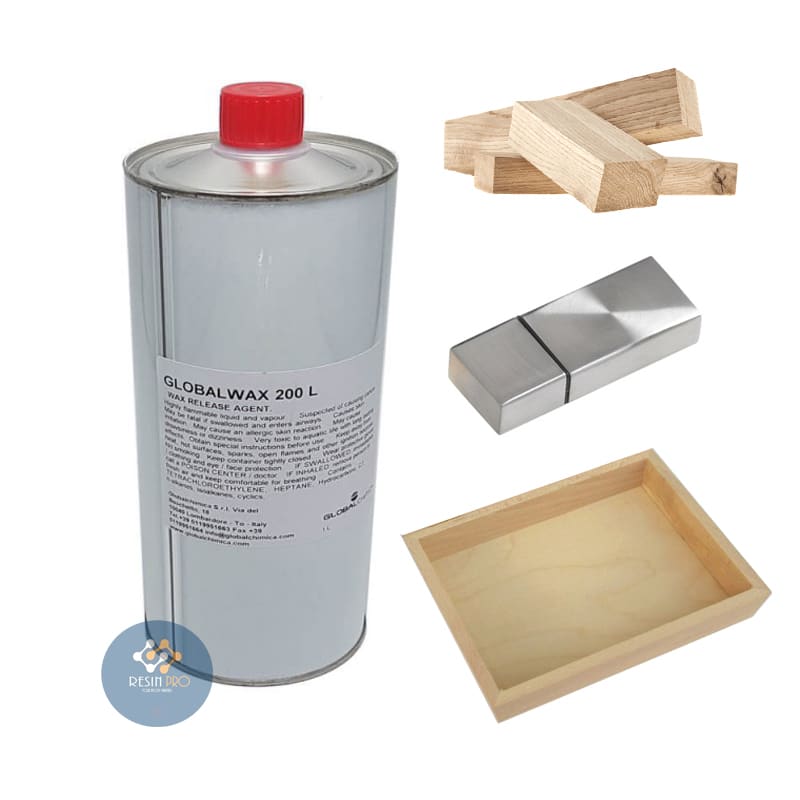
Proper cleaning is a key step before applying release agents to moulds used in resin projects. Neglecting this stage can result in poor resin release and unwanted sticking.
Why Surface Cleanliness is Vital
Any grease, silicone, or dust left on your mould can interfere with the performance of your release agent. A clean mould allows the release product to form an even film that acts as a reliable barrier, preventing resin from bonding where it shouldn’t. Without this, patches of resin may adhere, making demoulding difficult and potentially damaging both the mould and your finished piece.
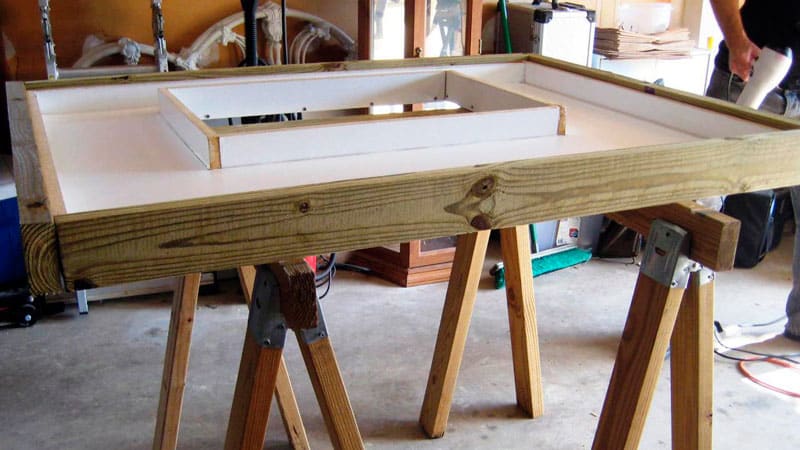

How to Clean Moulds Properly
Begin by wiping away visible debris with a soft, lint-free cloth. For a thorough clean, consider using a dedicated product such as the Strong Technical Degreaser for Resin Projects – 100% Natural Formula. This type of degreaser is effective at removing oil, silicone, and adhesive residues without harming the mould surface, ensuring optimal conditions for release wax application.
Applying Release Agents After Cleaning
Once your mould is completely free of contaminants and dry, the release agent can be applied according to instructions. For example, liquid release waxes are best applied in a thin, even layer, which quickly dries to create a heat-resistant, non-stick surface suitable for most resin types.
When Cleaning Matters Most
Cleaning is especially important for detailed moulds or when working with new or untested materials. Skipping this step risks wasting time and materials if resin bonds unexpectedly where a release agent has not formed a solid barrier.
Related products
Related guides
A clean start gives every release agent the best chance to work effectively, ensuring resin does not stick to your moulds. For further tips on preventing resin adhesion, visit our main guide on where resin does not adhere.