 Free shipping on orders over £29,85
  Shipping Tracking!


 Google
 Facebook
← Back to How do you use resin?
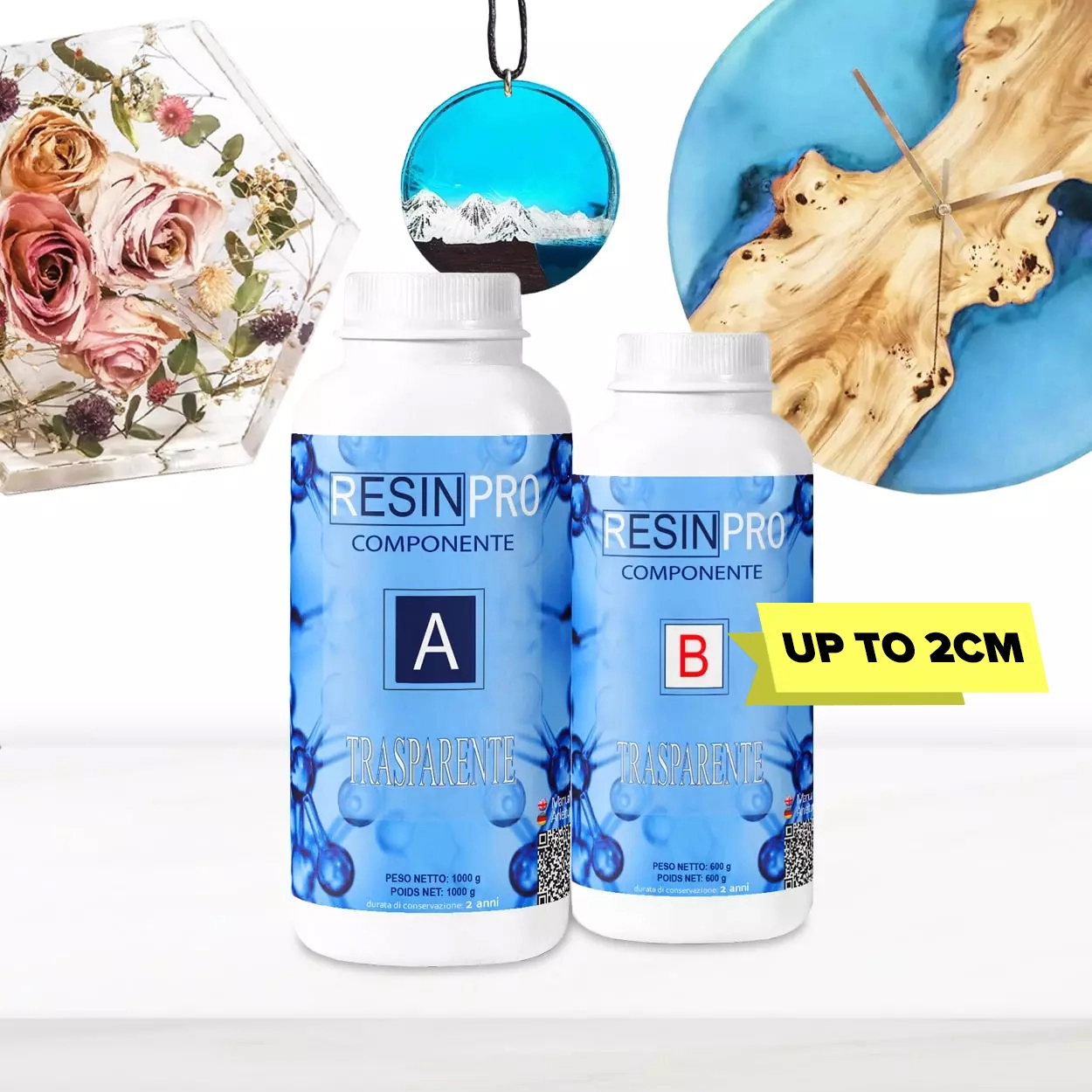
When resin castings don’t cure as expected or become dangerously hot, it’s frustrating and can lead to wasted materials. Understanding why this happens is key to achieving beautiful, trouble-free results every time you work with resin.
Typical Mistakes That Cause Resin Problems
Resin casting failures most often come down to issues with mixing or pouring. Exceeding the recommended layer thickness is a frequent culprit—many resins are designed for pours no thicker than 2cm at a time. Pouring too thickly can trap heat, leading to overheating, cracks, and clouding. Additionally, getting the resin and hardener ratios wrong, or not mixing thoroughly, prevents the chemical reaction that causes proper curing. Always stick closely to the manufacturer’s guidance for both ratio and mixing time.
Environmental Factors and Pouring Conditions
Temperature plays a significant role when working with resin. If your workspace is warm, resin can cure too quickly or even overheat. Conversely, very cold environments may cause under-curing. Avoid pouring by direct sunlight, near radiators, or on hot days if possible. Using heat guns or warm water baths to speed up curing also risks sudden overheating and failure.
How to Avoid Overheating and Incomplete Setting
- Always follow the resin’s maximum recommended pouring depth—‘Trasparente’ Epoxy Resin, for example, is suitable for layers up to 2cm.
- Use accurate scales to measure resin and hardener. Mixing by eye is a common cause of setting issues.
- Stir thoroughly for the full time advised in the instructions, scraping the sides and bottom of the container.
- Work at a steady room temperature, ideally around 18–22°C, and avoid outside extremes.
Related products
Related guides
Careful preparation, measuring, and attention to environmental conditions are the keys to successful resin projects. For more guidance and tips on mastering resin, see our main page on How do you use resin?.