 Free shipping on orders over £29,85
  Shipping Tracking!


 Google
 Facebook
← Back to How to make resin sinks white?
If your resin sink is starting to look yellow, you’re not alone. This common issue can make once-pristine surfaces look tired and aged. Fortunately, understanding the main causes can help you prevent and fix the problem, keeping your sink brilliantly white.
Main Causes of Yellowing in Resin Sinks
The most frequent culprits behind yellowing are prolonged exposure to sunlight and improper resin mixing. UV rays can gradually discolour resin materials, even indoors near bright windows. In addition, not following the correct mixing ratio or technique for your resin can also compromise colour stability, leaving the finished sink with a yellowish tint.
Tips to Prevent and Reduce Yellowing
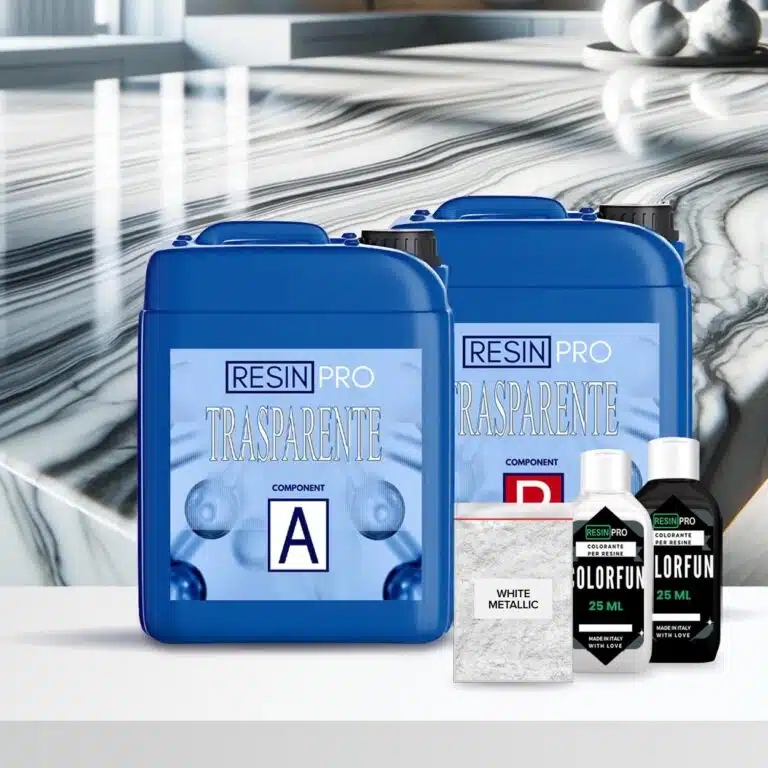
- Choose UV-Resistant Resin: Opt for products formulated with UV filters, which help slow down the yellowing process. For example, the “Stone Effect Collection” – Marble Epoxy Resin Countertop Kit is designed for both bathrooms and kitchens, providing enhanced UV defence and a bright finish.
- Avoid Sunlight Cure: Allow the resin to cure in a shaded or indoor area, away from direct sun. This minimises colour changes during the vital setting stage.
- Mix Carefully: Always blend resin and hardener exactly as recommended. Use a clean mixing container and stir thoroughly to ensure a stable, long-lasting result.
When This Matters Most
Yellowing is especially noticeable on white or light-coloured sinks. If your resin surface serves as a decorative focal point or is situated in a high-light area, taking extra precautions really pays off. Kitchens and bathrooms with large windows or skylights require particular attention to resin type and placement.
Related products
Related guides
With the right resin selection and care, you can maintain the crisp, clean look of your sink for years to come. For more guidance on keeping your resin surfaces white, see our main guide on how to make resin sinks white.